Качество доказательств 4.25/5
Оценка по восьми измерениям согласно рубрике качества . Каждое измерение оценивается от 1 до 5.
- D1 Обоснованность источниками
- 4/5
- D2 Авторитетность источника
- 5/5
- D3 Арифметика
- 3/5
- D4 Неопределённость
- 4/5
- D5 Охват
- 4/5
- D6 Текст
- 5/5
- D7 Честность восприятия
- 4/5
- D8 Полнота оговорок
- 5/5
● ваши факторы — нажмите на этот риск ▾ для отображения
- Ваши факторы
≈ Так же вероятно, как
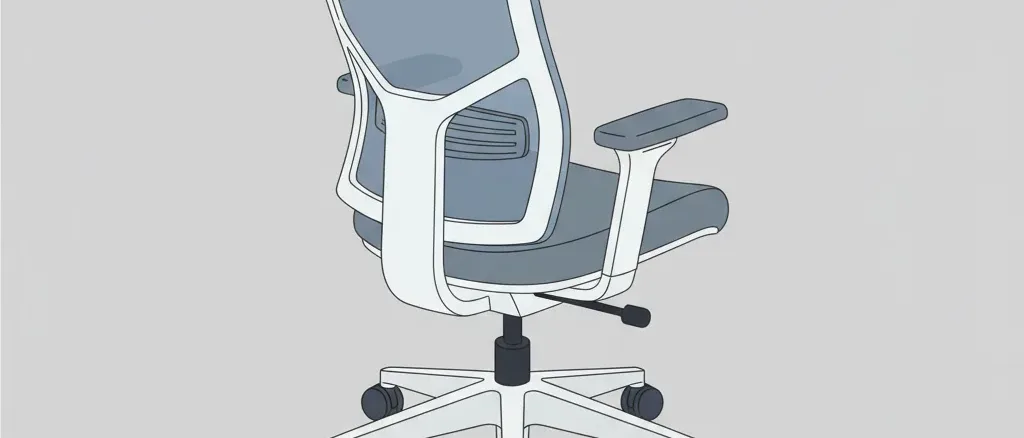
Воспринимаемый
Недостаток физической активности — четвёртый по значимости фактор риска глобальной смертности по данным ВОЗ, ответственный примерно за 4–5 миллионов смертей в год во всём мире. Почти никто его не боится. Он не появляется в опросах о страхах, не фигурирует в фильмах-катастрофах и не занимает культурного места как угроза. «Надо больше заниматься спортом» проходит по разряду мелкого самосовершенствования, где-то между «надо чистить зубы нитью» и «надо выучить язык», а не по разряду управления риском смертности. Люди тратят душевные силы на тревогу об авиакатастрофах, нападениях акул и терроризме, просиживая при этом 10+ часов в день и совершенно не воспринимая это как риск. Результат — один из крупнейших разрывов восприятия на этом сайте, в недооценённую сторону.
Грубая оценка: Большинство взрослых чувствуют, что малоподвижность вредна, но не относят её к серьёзным рискам смертности
Источник: редакционная интуиция, не опрос
Фактический
HR 1,59 для наиболее малоподвижных + наименее активных против наименее малоподвижных + наиболее активных (смертность от всех причин)
взрослые, сидящие >8 ч/день, с физической активностью <2,5 MET-ч/неделю против сидящих <4 ч/день с >35,5 MET-ч/неделю
Показать вычисления
Заглавная цифра опирается на две сходящиеся линии доказательств. (1) Lee et al. 2012 (Lancet) оценили, что недостаток физической активности вызывает 9 % преждевременной смертности во всём мире (диапазон 5,1–12,5 %), что соответствует более чем 5,3 миллиона из 57 миллионов смертей в 2008 году. В применении к взрослому населению США: примерно 3,4 миллиона смертей в США в год, 9 % = ~306 000 смертей, связанных с неактивностью, в год. При ~258 миллионах взрослых американцев это даёт годовой риск ~306 000/258 000 000 = 0,00119. С накоплением за 59 лет оставшейся взрослой жизни: 1 - (1 - 0,00119)^59 = 0,068. Однако это популяционно-средняя PAF, включающая уже активных взрослых, вклад которых в числитель равен нулю. (2) Ekelund et al. 2016 (Lancet, 1 005 791 участник) обнаружили, что взрослые, сидящие >8 ч/день с наименьшей физической активностью (<2,5 MET-ч/неделю), имели HR 1,59 (95 % ДИ 1,52–1,66) по смертности от всех причин по сравнению с референтной группой наиболее активных + наименее малоподвижных. Для ~25 % взрослых американцев, полностью неактивных (CDC 2024), избыточный пожизненный риск смертности от неактивности существенно выше популяционного среднего. Мы используем 0,09 как точечную оценку, отражающую популяционную PAF (Lee 2012), слегка скорректированную вверх от простого накопления, поскольку данные CDC показывают, что лишь 26,4 % взрослых американцев соответствуют и аэробным, и силовым рекомендациям, а значит большинство несёт некоторый связанный с неактивностью риск. Диапазон неопределённости 0,05–0,13 охватывает доверительный интервал PAF Lee et al. (5,1–12,5 %) в применении к смертности в США.
Оговорки: «Малоподвижный образ жизни» — не дискретное воздействие, как курение пачки в ден…
«Малоподвижный образ жизни» — не дискретное воздействие, как курение пачки в день; это градиент от нулевого движения до почти-достаточного, до соответствующего рекомендациям, до высокоактивного, с резко нелинейной кривой «доза-реакция» на нижнем конце. Из-за этого единое число на популяционном уровне неизбежно теряет информацию. PAF 9 % из Lee et al. 2012 — глобальное среднее; специфичная для США цифра может отличаться из-за более высокой распространённости ожирения и более сидячих профессиональных моделей. Смешивающие факторы — постоянная сложность: люди, не занимающиеся спортом, обычно имеют более низкий социально-экономический статус, чаще курят, хуже питаются и чаще имеют хронические болезни. Метаанализы корректируют эти факторы, но остаточное смешивание нельзя полностью исключить из наблюдательных данных. Сравнение «сидение — это новое курение», хоть и броское, вводит в заблуждение на индивидуальном уровне: курение несёт относительный риск ~15–20× для рака лёгких, тогда как малоподвижность — ~1,2–1,6× для смертности от всех причин. Сравнение работает для популяционной атрибутивной доли (и то, и другое убивает миллионы), но не для величины индивидуального риска. Наконец, смертность от всех причин включает смерти, которые упражнения не предотвратили бы; атрибутивная доля выделяет избыток, но граница между «умер бы всё равно» и «умер из-за неактивности» — эпидемиологический конструкт, а не клиническая определённость.
Как меняется риск
Заглавная цифра усредняет очень разные ситуации. Вот как вероятность варьируется в зависимости от сценария или контекста:
1 из 7,7 · 13%
Highest-risk group. Ekelund HR 1.59 applies most directly here. ~25% of US adults.
1 из 14 · 7,0%
Arem et al.: even sub-guideline activity yields HR 0.80 vs inactive. Partial protection.
1 из 50 · 2,0%
Baseline — excess mortality attributable to inactivity approaches zero. Arem HR 0.69 vs inactive.
1 из 100 · 1,0%
Maximum benefit range. Arem: no excess risk, slight additional benefit over 1x guidelines. Diminishing returns.
Длина и оттенок полосы ранжируют эти сценарии относительно друг друга, а не относительно других рисков. Точные шансы указаны рядом с каждым.
Связанные риски
Другие риски на схожие темы — для изучения связанных страхов.


Одиночество и здоровье
Каковы шансы того, что хроническое одиночество причинит серьезный вред здоровью в течение жизни?

Бездымный табак
Какова вероятность умереть от заболевания, связанного с употреблением бездымного табака, при регулярном использовании?




Выбрать сравниваемый
The largest study on the subject is Ekelund et al. 2016, a harmonised meta-analysis of over one million men and women from 16 prospective cohorts, published in The Lancet. The headline: adults who sit more than eight hours per day and fall in the lowest quartile of physical activity (under 2.5 MET-hours/week, roughly zero deliberate exercise) face an all-cause mortality hazard ratio of 1.59 (95% CI 1.52-1.66) compared to those who sit less than four hours per day and exercise in the highest quartile. But the same study delivers the antidote: 60-75 minutes per day of moderate activity (brisk walking pace) reduces the hazard ratio to 1.04, statistically indistinguishable from the reference group. At the population level, Lee et al. 2012 estimated that physical inactivity causes 9% of premature mortality worldwide, or more than 5.3 million deaths per year. The WHO ranks it fourth among global mortality risk factors, behind high blood pressure, tobacco, and high blood glucose. Only 26.4% of US adults meet both aerobic and muscle-strengthening guidelines (CDC, 2024); roughly one in four does essentially nothing.
The perception gap here is enormous and runs in an unusual direction. People allocate worry to plane crashes, shark attacks, and terrorist attacks — each an individually vanishingly rare cause of death — while spending ten-plus hours a day in a chair without registering it as a mortality input at all. The phrase “sitting is the new smoking” circulates as a vague wellness slogan, but the underlying comparison is instructive in what it gets right and wrong. At the population level, both inactivity and tobacco kill millions: Lee et al.’s 9% global PAF for inactivity sits in the same single-digit range as the WHO’s estimate that tobacco use accounts for 9% of global deaths. At the individual level, the analogy collapses: smoking carries a relative risk of 15-20x for lung cancer, while the most sedentary-and-inactive group in the Ekelund data carries 1.59x for all-cause mortality. The gap between “similar population body count” and “very different individual hazard ratio” is the interesting part.
The dose-response curve is sharply non-linear in the helpful direction, which is where the number stops applying uniformly. Arem et al. 2015, pooling 661,137 participants, found that going from zero leisure-time activity to any amount below the guidelines buys a 20% mortality reduction (HR 0.80, 95% CI 0.78-0.82). Meeting the guidelines (150 min/week moderate) yields 31% reduction. Going from one to two times the guidelines adds a smaller increment, and maximum benefit plateaus at three to five times the guidelines. This means the entry is most relevant to the ~25% of US adults who do essentially nothing, where even 15 minutes of daily walking would capture most of the available mortality benefit. It is least relevant to the anxious gym-goer who sits at a desk eight hours but exercises regularly, for whom the Ekelund data show the excess risk is already near zero.
Связанные факты
Сидячий образ жизни — ~9% преждевременных смертей в мире. Шансы погибнуть в авиакатастрофе — около 1 из 11 млн на рейс. Ваш офисный стул статистически опаснее кресла в самолёте.
Сидячий образ жизни увеличивает риск преждевременной смерти на 59% (HR 1,59). Хронический недосып добавляет 12% (HR 1,12). Ваш офисный стул — бо́льшая угроза, чем плохая ночь.
Физическая неактивность — 4-й ведущий фактор риска глобальной смертности, ответственный за 9% преждевременных смертей. Выше ожирения. ВОЗ ставит её рядом с табаком, алкоголем и гипертонией.
Реестр утверждений
Каждое число ниже — это то, что сообщил источник, с дословной цитатой, на которую мы опирались, и тем, как мы пришли к нашей цифре. Нажмите на ссылку, чтобы проверить самостоятельно.
2/5 источников независимо дословно сверены с указанным источником
-
[1] The Lancet (Ekelund, Steene-Johannessen, Brown, Fagerland, Owen, Powell, Bauman, Lee) — Does physical activity attenuate, or even eliminate, the detrimental association of sitting time with mortality? A harmonised meta-analysis of data from more than 1 million men and women
Does physical activity attenuate, or even eliminate, the detrimental association of sitting time with mortality? A harmonised meta-analysis of data from more than 1 million men and women- Статистика
HR 1.59 (95% CI 1.52-1.66) for all-cause mortality in most sedentary + least active quartile; 60-75 min/day moderate activity eliminates excess sitting risk; 1,005,791 participants, 84,609 deaths- Выдержка
“"High levels of moderate intensity physical activity (ie, about 60-75 min per day) seem to eliminate the increased risk of death associated with high sitting time. However, this high activity level attenuated, but did not eliminate the increased risk associated with high TV-viewing time." ”
- Данные источника:
- 2016-07-28
- Дата обращения
- 2026-04-19 · архивная копия
- Расчёт
- Ekelund et al. harmonised individual-level data from 16 prospective cohort studies (13 with sitting data, 3 with TV-viewing data). Participants were stratified into quartiles of both sitting time and physical activity. The reference group was the least sedentary + most active quartile (<4 h/day sitting, >35.5 MET-h/week). The highest-risk group (>8 h/day sitting, <2.5 MET-h/week) had HR 1.59. Critically, those sitting >8 h/day but in the most active quartile (>35.5 MET-h/week, roughly 60-75 min/day of moderate activity) had HR 1.04 (95% CI 0.99-1.10), statistically indistinguishable from the reference. This demonstrates that high physical activity can fully offset the mortality risk of prolonged sitting. The HR 1.59 is used as the native display because it captures the worst-case combination most relevant to completely inactive office workers.
-
[2] The Lancet (Lee, Shiroma, Lobelo, Puska, Blair, Katzmarzyk) — Effect of physical inactivity on major non-communicable diseases worldwide: an analysis of burden of disease and life expectancy Проверено
Effect of physical inactivity on major non-communicable diseases worldwide: an analysis of burden of disease and life expectancy- Статистика
Physical inactivity causes 9% of premature mortality worldwide (range 5.1-12.5%); 6% of CHD, 7% of type 2 diabetes, 10% of breast cancer, 10% of colon cancer; elimination would increase global life expectancy by 0.68 years (0.41-0.95)- Выдержка
“"We estimated that physical inactivity causes 6% of the burden of disease from coronary heart disease, 7% of type 2 diabetes, 10% of breast cancer, and 10% of colon cancer. Inactivity causes 9% of premature mortality, or more than 5.3 of the 57 million deaths that occurred worldwide in 2008." ”
- Данные источника:
- 2012-07-21
- Дата обращения
- 2026-04-19
- Проверка
- Выдержка независимо повторно загружена и подтверждена слово в слово по указанному источнику в ходе нашей проверки достоверности.
- Расчёт
- Lee et al. computed population attributable fractions (PAFs) by comparing disease incidence in inactive vs active populations across 122 countries. The 9% PAF for premature mortality is the primary basis for the normalized lifetime estimate. Applied to US mortality: ~3.4 million deaths/year x 0.09 = ~306,000 inactivity-attributable deaths per year. Against 258 million US adults, annual hazard = 0.00119. Over 59 years: 1 - (1 - 0.00119)^59 = 0.068. The point estimate of 0.09 is slightly above this raw compounding because only 26.4% of US adults meet both aerobic and strength guidelines (CDC 2024), meaning the US-specific PAF may be at the higher end of Lee's global range.
-
[3] JAMA Internal Medicine (Arem, Moore, Patel, Hartge, de Gonzalez, Visvanathan, et al.) — Leisure Time Physical Activity and Mortality: A Detailed Pooled Analysis of the Dose-Response Relationship
Leisure Time Physical Activity and Mortality: A Detailed Pooled Analysis of the Dose-Response Relationship- Статистика
HR 0.80 (95% CI 0.78-0.82) for those doing less than recommended 7.5 MET-h/week vs none; HR 0.69 (0.67-0.70) at 1-2x guidelines; maximum benefit at 3-5x guidelines- Выдержка
“"Compared to those reporting no leisure-time physical activity, we observed a 20% lower mortality risk among those performing less than the recommended minimum of 7.5 metabolic equivalent hours per week." ”
- Данные источника:
- 2015-06-01
- Дата обращения
- 2026-04-19 · архивная копия
- Расчёт
- Arem et al. pooled six prospective cohort studies with 661,137 participants and 116,686 deaths over a median 14.2 years of follow-up. The key finding for this entry is the steep dose-response at the low end: going from zero activity to sub-guideline activity (less than 150 min/week moderate or 75 min/week vigorous) buys a 20% mortality reduction (HR 0.80). Meeting the guidelines (7.5-15 MET-h/week) yields HR 0.69 (31% reduction). Maximum benefit plateaus at 3-5x guidelines, with no excess risk even at 10x. This non-linear curve means the biggest marginal gain comes from moving off zero, not from optimizing an already-active regimen.
-
[4] CDC National Center for Health Statistics — Aerobic Physical Activity Among Adults Age 18 and Older: United States, 2024
Aerobic Physical Activity Among Adults Age 18 and Older: United States, 2024- Статистика
47.2% of US adults met aerobic guidelines in 2024; 26.4% met both aerobic and muscle-strengthening guidelines; rates vary by sex, disability status, weight status- Выдержка
“"In 2024, 47.2% of adults age 18 and older met the federal guidelines for aerobic physical activity. When broken down by sex, 52.3% of men and 42.4% of women met the standards." ”
- Данные источника:
- 2025-04-07
- Дата обращения
- 2026-04-19 · архивная копия
- Расчёт
- CDC NCHS Data Brief 555 provides the most recent national prevalence data on physical activity. The 26.4% meeting both guidelines means roughly 73.6% of US adults carry some degree of inactivity-attributable risk. The ~25% who are completely inactive (no leisure-time physical activity) are the population most directly described by the Ekelund HR 1.59 estimate. These prevalence figures contextualize the PAF: if three-quarters of US adults fail to meet full guidelines, the population-level mortality burden of inactivity is substantial.
-
[5] World Health Organization — Global Recommendations on Physical Activity for Health Проверено
Global Recommendations on Physical Activity for Health- Статистика
Physical inactivity is the fourth leading risk factor for global mortality (6% of deaths globally), following high blood pressure (13%), tobacco use (9%), and high blood glucose (6%)- Выдержка
“"Physical inactivity has been identified as the fourth leading risk factor for global mortality (6% of deaths globally). This follows high blood pressure (13%), tobacco use (9%) and high blood glucose (6%)." ”
- Данные источника:
- 2010-01-01
- Дата обращения
- 2026-07-03 · архивная копия
- Проверка
- Выдержка независимо повторно загружена и подтверждена слово в слово по указанному источнику в ходе нашей проверки достоверности.
- Расчёт
- WHO's global risk-factor ranking, cited in the body text to support the "fourth leading risk factor" framing already present in perceived.description. Grounds the specific ranking (behind high blood pressure, tobacco, and high blood glucose) used in the second paragraph of the body prose. Not used in the native/normalized lifetime-probability calculation, which is derived from Lee et al. 2012 and Ekelund et al. 2016 above.