Качество доказательств 4.5/5
Оценка по восьми измерениям согласно рубрике качества . Каждое измерение оценивается от 1 до 5.
- D1 Обоснованность источниками
- 4/5
- D2 Авторитетность источника
- 5/5
- D3 Арифметика
- 5/5
- D4 Неопределённость
- 4/5
- D5 Охват
- 4/5
- D6 Текст
- 5/5
- D7 Честность восприятия
- 4/5
- D8 Полнота оговорок
- 5/5
≈ Так же вероятно, как
Воспринимаемый
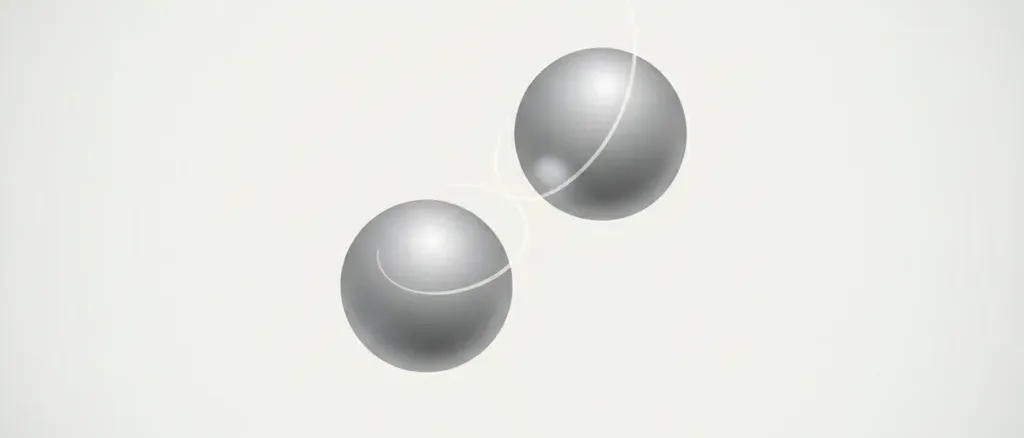
Наборы игрушечных магнитов и декоративные мощные магниты продаются как настольные игрушки для взрослых и товары для снятия стресса, но опасность, когда ребёнок проглатывает несколько магнитов, плохо осознаётся большинством родителей. Доминирующая общественная ментальная модель относится к проглатыванию магнита как к проглатыванию монеты — неприятно, но проходит само. Что не широко известно, так это то, что механизм принципиально иной для двух или более мощных магнитов: они притягиваются друг к другу через разные петли кишечника, создавая точку давления, которая может вызвать ишемию, перфорацию, заворот кишок и некроз кишечника в течение часов. Middelberg и коллеги (2022) обнаружили, что почти половина опекунов, чей ребёнок лечился от травмы мощным магнитом, считала мощные магниты детскими игрушками, и лишь 7 % знали, что магниты ранее были изъяты с рынка CPSC. Опасность существенно недооценена по сравнению с дисковыми батарейками, несмотря на то что они госпитализируют детей примерно в 20 раз чаще.
Грубая оценка: У большинства родителей нет числа для этой опасности; почти половина в опросе после инцидента считала мощные магниты детскими игрушками (Middelberg 2022)
Источник: редакционная интуиция, не опрос
Фактический
~300–400 госпитализаций в год среди детей США из-за проглатывания нескольких мощных магнитов
дети США в возрасте 0–14 лет, госпитализация из-за проглатывания нескольких мощных магнитов
Показать вычисления
CPSC оценил 26 600 обращений в отделения неотложной помощи, связанных с магнитами, за 2010–2021 годы для всех возрастов 0–17 лет (Federal Register, сентябрь 2022). После отмены правила в 2017–2020 годах ежегодные обращения в неотложную помощь составляли примерно 2 300–2 400 в год конкретно по мощным магнитам. Middelberg et al. (2022, Pediatrics), крупнейшее клиническое когортное исследование (596 подтверждённых случаев с мощными магнитами в 25 детских больницах, 2017–2019), обнаружило, что 55,7 % потребовали госпитализации и 95 % случаев приходились на детей младше 14 лет. Применение 56 % уровня госпитализации к ~2 400 обращений по мощным магнитам в год даёт примерно 300–400 госпитализаций в год за период после повторного выхода на рынок. Детей США в возрасте 0–14 лет насчитывается примерно 61 миллион (Census). Кумулятивный риск за 15-летнее окно: 300–400 госпитализаций в год × 15 лет / 61 000 000 ≈ 7,4–9,8 × 10⁻⁵, или примерно от 1 из 10 000 до 1 из 14 000. В заголовке используется 1 из 12 000 как срединное значение. Strickland et al. (2020, JPGN) независимо обнаружило примерно 1 094 случая «эскалации помощи» с несколькими магнитами за 2017–2019 годы (взвешенная оценка NEISS), что согласуется с 350–400 серьёзными исходами в год. Новое правило CPSC (16 CFR Part 1262) вступило в силу в октябре 2022 года; его влияние на частоту случаев пока не поддаётся количественной оценке по опубликованным данным.
Оговорки: Заголовочное 1 из 12 000 относится к госпитализации из-за проглатывания нескольк…
Заголовочное 1 из 12 000 относится к госпитализации из-за проглатывания нескольких мощных магнитов в детском окне 0–14 лет. Смертельные исходы примерно на два порядка реже — приблизительно 1 из 13 миллионов на ребёнка (5 подтверждённых смертей в США за ~17 лет против населения в 61 миллион детей в возрасте 0–14 лет). Опасность связана именно с несколькими магнитами (или одним магнитом плюс металлическим предметом): проглатывание одного магнита почти всегда проходит само. Это различие критично как для клинического ведения, так и для информирования родителей о риске. Диапазон вероятности чувствителен к регуляторному циклу: до правила CPSC 2014 года случаев было ~2 300 в год, они снизились в период действия правила (2015–2016), вновь выросли до ~2 300–2 400 в год после отмены правила в 2016 году, а новое федеральное правило 2022 года (16 CFR Part 1262) оказывает неизвестное, но потенциально существенное влияние на будущую частоту случаев. Оценка в 300–400 госпитализаций отражает период после отмены правила и до нового правила (2017–2022); показатели после 2022 года могут быть ниже, если новое правило обеспечит лучшее соблюдение, чем отменённое. Магнитная опасность занимает необычное положение относительно других записей на этом сайте: уровень госпитализации (~1 из 12 000) примерно в 20 раз выше уровня серьёзных травм от дисковых батареек (~1 из 250 000), несмотря на то что дисковые батарейки получают значительно больше внимания в области общественного здравоохранения и регулирования. Разрыв в осведомлённости частично объясняется более старшим средним возрастом пациентов при магнитной опасности (7,5 лет, Middelberg) по сравнению с преимущественно ясельным контингентом для дисковых батареек.
Связанные риски
Другие риски на схожие темы — для изучения связанных страхов.

Проглатывание капсулы
Каковы шансы, что малыш получит серьёзную травму, проглотив или раздавив капсулу для стирки?
Гибель ребёнка лицом вперёд
Действительно ли ребёнок в кресле, установленном лицом вперёд, чаще погибает в автокатастрофе?

Нелеченная дисплазия тазобедренного су
Какова вероятность инвалидности от нелеченной дисплазии тазобедренного сустава у младенцев?
Ребёнок глотает предмет (скорая)
Какова вероятность того, что маленький ребёнок проглотит предмет и ему понадобится медицинская помощь?

Ребёнок глотает никот. пакетик
Какова вероятность того, что о маленьком ребёнке сообщат в токсикологический центр из-за проглатывания никотинового пакетика?
Падение с лестницы малыш
Какова вероятность того, что малыш получит серьёзную травму при падении с лестницы?
Выбрать сравниваемый
A single swallowed magnet is almost never a serious emergency. Two or more high-powered magnets swallowed at different times — or a magnet swallowed separately from a metal object — are a different problem entirely. When two neodymium magnets are in different loops of intestine, they attract each other strongly across the bowel wall, creating a pressure point that can cause ischemia, perforation, volvulus, and bowel necrosis within hours. Middelberg et al. (2022, Pediatrics), the largest clinical cohort of high-powered magnet injuries — 596 confirmed cases across 25 children’s hospitals over 2017-2019 — found that 55.7% required hospitalization, 46.3% required endoscopy, surgery, or both, and 9.6% had life-threatening morbidity including bowel obstruction, perforation, fistulae, and volvulus. The first documented US pediatric death from high-powered magnet ingestion occurred in a 20-month-old child in 2005/2006; CPSC has confirmed five US deaths since then.
The regulatory history is a study in how consumer product safety can fail at the enforcement stage. CPSC documented 20 serious cases between 2003 and 2006, including 15 bowel perforations and one death. Case counts climbed sharply over the following decade as high-powered neodymium magnet sets (marketed as “Buckyballs,” “Zen Magnets,” and dozens of similar brands) became popular adult desk toys. CPSC published a federal safety rule in 2014 limiting the flux strength of consumer magnets. The rule took effect in 2015, and annual ED visit rates fell. In 2016, the US Court of Appeals for the Tenth Circuit vacated the rule, finding the CPSC’s supporting findings inadequately explained. High-powered magnets returned to market in 2017. By 2017-2019, Strickland and colleagues (2020, JPGN) documented a five-fold increase in multiple-magnet escalation of care and a hospitalization rate of 37.7%. A new federal rule (16 CFR Part 1262) was unanimously adopted by CPSC in September 2022 with a broader product scope than the vacated rule, but post-enforcement case data are not yet published.
The counter-intuitive finding from comparing magnet and button-battery entries is worth stating directly. Button batteries receive substantially more public-health communication and regulatory attention than high-powered magnets. Yet the hospitalization rate for the magnet hazard — roughly 1 in 12,000 children over the 0-14 window — is approximately 20 times higher than the severe-injury rate for button batteries (1 in 250,000 over the 0-6 window). The difference is explained partly by the older age distribution for magnets (median 7.5 years, Middelberg) relative to button batteries (peak age 2 years), which means magnet exposure is more likely to occur in older children who appear less at-risk, and partly by the complexity of the mechanism, which is not intuitive to parents or to emergency physicians who may initially interpret an X-ray showing two overlapping metallic densities as a coin swallowing rather than a two-magnet emergency.
Связанные факты
Примерно 1 из 90 американских детей попадает на скорую из-за проглоченного предмета до 6 лет — обычно это монета, и 80-90% выходят самостоятельно. Исключения, нарушающие правило о самостоятельном выходе: пуговичные батарейки, которые прожигают ткани за часы, и несколько магнитов, которые зажимают стенку кишечника.
Госпитализация из-за проглатывания нескольких мощных магнитов случается примерно ~1 на 12,000 на ребёнка в США в возрасте 0-14 лет. В одном опросе после случая почти половина опекунов всё ещё считала магниты детскими игрушками.
Реестр утверждений
Каждое число ниже — это то, что сообщил источник, с дословной цитатой, на которую мы опирались, и тем, как мы пришли к нашей цифре. Нажмите на ссылку, чтобы проверить самостоятельно.
-
[1] Pediatrics — Middelberg et al. (IMPACT of Magnets Research Collaborative), Nationwide Children's Hospital, 2022 — High-Powered Magnet Exposures in Children: A Multi-Center Cohort Study
High-Powered Magnet Exposures in Children: A Multi-Center Cohort Study- Статистика
596 patients confirmed high-powered magnet exposure (25 children's hospitals, 2017-2019); 55.7% hospitalized; 46.3% required endoscopy/surgery; 9.6% had life-threatening morbidity; 95% of care was for children under 14; median age 7.5 years; nearly half of caregivers believed high-powered magnets were children's toys- Выдержка
“"Nearly 600 cases of high-powered magnet-related injuries in the three years after high-powered magnets re-entered the US market (2017 to 2019)... the majority (56%) of children being treated for high-powered magnet-related injuries required hospitalization... nearly one in ten had a potentially life-threatening injury such as bowel obstruction, perforation, infection, bleeding, fistulae or volvulus... 95% of care in this study was for children under 14 years of age... almost half of caregivers believed high-powered magnets were children's toys." ”
- Данные источника:
- 2022-02-01
- Дата обращения
- 2026-05-09 · архивная копия
- Расчёт
- The 56% hospitalization rate from 596 confirmed cases across 25 children's hospitals is the primary clinical outcome rate. Applying this to the CPSC's nationally estimated ~600/yr high-powered magnet ED visits gives ~336 hospitalizations/yr. The 9.6% life-threatening morbidity rate (57/596) translates to approximately 57 life-threatening events per year nationally from high-powered magnet ingestion alone.
- Независимость
- Middelberg et al. use a prospective multi-center cohort design distinct from the NEISS-based population estimates of Strickland 2020 and the CPSC product-incident database. The clinical outcome rates (hospitalization, surgical intervention, life-threatening morbidity) are empirically measured rather than derived from administrative codes.
-
[2] Journal of Pediatric Gastroenterology and Nutrition — Strickland, Reeves, Krishnamurthy, Bhatt, Mahajan, Abbas, 2020 — Magnet Ingestions in Children Presenting to Emergency Departments in the United States, 2009–2019: A Problem in Flux
Magnet Ingestions in Children Presenting to Emergency Departments in the United States, 2009–2019: A Problem in Flux- Статистика
23,756 weighted NEISS-estimated pediatric magnet-ingestion ED visits 2009-2019; hospitalization rate rose to 37.7% in 2017-2019 (post-rule-vacated period); 5-fold increase in multiple-magnet escalation of care (estimated 1,094 cases) over 2017-2019; annual case increase averaged 6.1%- Выдержка
“"An estimated 23,756 children (59% males, 42% < 5 years old) presented with a [suspected magnet ingestion] from 2009 to 2019 with an average annual case increase of 6.1%... From 2017 to 2019, there was a greater proportion of small/round type magnet ingestions and multiple magnet ingestions, and... a 5-fold increase in the escalation of care for multiple magnet ingestions (estimated n = 1,094; CI 505-1,686)." ”
- Данные источника:
- 2020-12-01
- Дата обращения
- 2026-05-09 · архивная копия
- Расчёт
- 1,094 escalation-of-care multiple-magnet cases over 2017-2019 (3 years) ≈ 365/yr — consistent with the ~300-400 hospitalization estimate derived from Middelberg's clinical hospitalization rate applied to CPSC's annual ED visit count. Strickland's NEISS-based approach provides an independent population-level estimate that corroborates the Middelberg clinical-cohort approach.
- Независимость
- Strickland et al. use NEISS (National Electronic Injury Surveillance System), a statistically representative sample of US EDs maintained by CPSC, yielding nationally weighted estimates. This is methodologically independent of the Middelberg multi-center clinical cohort and of the CPSC product-incident administrative database.
-
[3] CDC Morbidity and Mortality Weekly Report, December 8, 2006, Vol. 55, No. 48 — Gastrointestinal Injuries from Magnet Ingestion in Children — United States, 2003–2006
Gastrointestinal Injuries from Magnet Ingestion in Children — United States, 2003–2006- Статистика
20 CPSC-identified serious magnet GI injury cases (2003-2006); 19 required surgery; 75% had bowel perforation; 1 death (first documented US fatality); all cases involved multiple magnets attracting through intestinal loops- Выдержка
“"Since 2003, CPSC has identified one death and 19 other serious cases involving magnets with this type of unusual strength, representing a range of injuries including intestinal perforations (15 cases), obstruction (4), volvulus (3), and peritonitis (4)... The magnets had magnetically joined across two loops of intestine, causing a volvulus that compromised the blood supply to the bowel and led to necrosis, perforation, and sepsis." ”
- Данные источника:
- 2006-12-08
- Дата обращения
- 2026-05-09 · архивная копия
- Расчёт
- This MMWR report established the mechanism: all 20 serious cases involved multiple magnets (or magnets plus a metal object) attracted through the bowel wall. Single-magnet ingestion was not represented in the serious-outcome cases. The 75% bowel-perforation rate in this early clinical case series is consistent with the 9.6% life-threatening morbidity rate in Middelberg 2022 — both measure the outcome rate in cases reaching surgical review, which is a selected severe subset. The first US death (a 20-month-old child, 2005/2006) is documented in this report.
-
[4] US Consumer Product Safety Commission, Federal Register, September 21, 2022 — Safety Standard for Magnets, 16 CFR Part 1262
Safety Standard for Magnets, 16 CFR Part 1262- Статистика
26,600 magnet-related ED visits 2010-2021 (NEISS estimate); 7-8 deaths involving hazardous magnets since 2005 (5 confirmed US deaths); 124 documented surgical cases (2010-2020); new rule requires flux index <50 kG²mm² for all consumer magnet products fitting small-parts cylinder- Выдержка
“"CPSC estimates 26,600 magnet ingestions were treated in hospital ERs from 2010 through 2021, and cases have been rising annually since 2018. CPSC is aware of seven deaths involving the ingestion of hazardous magnets (including two outside of the United States)." ”
- Данные источника:
- 2022-09-21
- Дата обращения
- 2026-05-09 · архивная копия
- Расчёт
- 26,600 ED visits / 12 years ≈ 2,217/yr on average. Five confirmed US deaths across ~17 years (2005-2022) ≈ 0.3/yr — a low annual fatality rate that translates to approximately 1 in 13 million per child over the 0-14 window. The new federal rule (effective October 2022) applies to all consumer products with separable magnets fitting the small-parts cylinder, not just the "magnet sets" definition that the vacated 2014 rule covered. Post-enforcement case data are not yet available in peer-reviewed literature.