Качество доказательств 5.0/5
Оценка по восьми измерениям согласно рубрике качества . Каждое измерение оценивается от 1 до 5.
- D1 Обоснованность источниками
- 5/5
- D2 Авторитетность источника
- 5/5
- D3 Арифметика
- 5/5
- D4 Неопределённость
- 5/5
- D5 Охват
- 5/5
- D6 Текст
- 5/5
- D7 Честность восприятия
- 5/5
- D8 Полнота оговорок
- 5/5
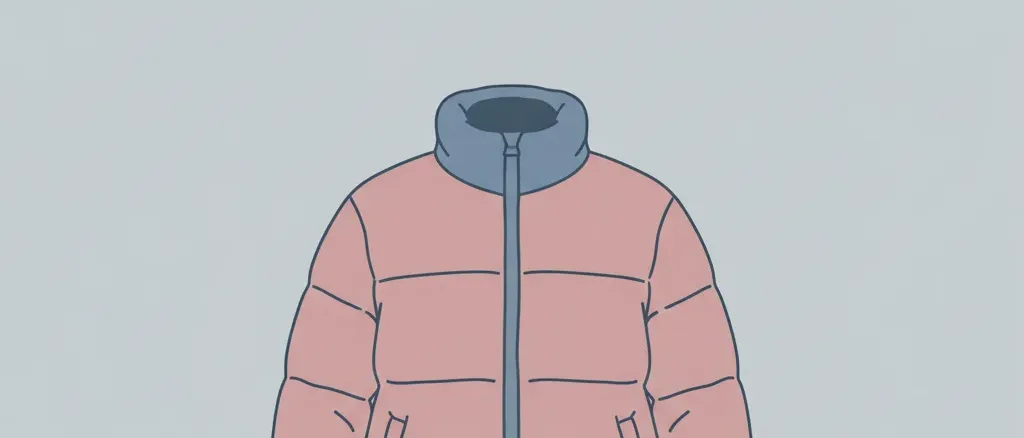
Механизм является самой ясной частью этой записи. Ребенок сидит в правильно установленном автокресле, одетый в толстый пуховик или комбинезон. Опекун затягивает ремни безопасности по внешней стороне пальто и проходит тест на защип на плече. При столкновении ремни безопасности сжимают пальто в первые миллисекунды импульса, и большая часть захваченного воздуха вытесняется из слоев утеплителя. Теперь ремни безопасности прилегают к ребенку плюс тонкая оболочка из сжатой ткани, а не к ребенку плюс объемное пальто, что означает внезапное ослабление между ремнями и туловищем ребенка. Американская академия педиатрии (American Academy of Pediatrics) описывает конечный результат как способность ребенка «выскользнуть из ремней и быть выброшенным из сиденья». NHTSA, Consumer Reports и Car Seats for the Littles описывают ту же последовательность почти идентичными формулировками. Ни один из четырех источников здесь не оспаривает, что механизм реален.
Чего не хватает, так это частоты. Система отчетности по анализу смертности NHTSA (NHTSA’s Fatality Analysis Reporting System) не кодирует «вклад зимней одежды» как переменную в записях о смертельных авариях, поэтому литература, основанная на данных FARS, которая лежит в основе большинства транспортных записей Likelier, просто не может выделить этот путь как отдельную категорию. Рецензируемая литература по безопасности детей-пассажиров включает неправильное использование толстой одежды в более широкую категорию «ремни слишком свободны» или «неправильное использование», не публикуя при этом количество смертельных случаев, которые можно было бы отнести к этой причине. Consumer Reports проводил испытания на санях и публиковал фотографии видимого провисания до и после снятия пальто, но ни в одном источнике, который мы могли бы проверить, не публиковал количественных измерений провисания после сжатия или количественного увеличения вероятности выброса. Реестр смертельных случаев, поддерживаемый организацией Kids And Car Safety, перечисляет названные случаи — два с достаточной детализацией для идентификации механизма — но два случая не являются частотой.
Likelier публикует цифры, когда их подтверждают имеющиеся данные, и отказывается, когда данных нет. Это вторая категория. Механизм демонстрируем, авторитетные органы согласны как с физикой явления, так и с поведенческими мерами по его смягчению, и рекомендация снять пальто и использовать одеяло или накидку поверх застегнутых ремней поддерживается независимо от того, составляет ли приписываемая смертность одну смерть в год или сто. Мы не знаем, какая это цифра. Читатель, который хочет получить одно число, не может получить его здесь — он может получить механизм, согласованное смягчение последствий и честное признание того, что система наблюдения пока не разрешает этот страх с той степенью детализации, которую требует вопрос.
Связанные факты
AAP, NHTSA и Consumer Reports предупреждают, что пуховая куртка сминается при ударе и оставляет слабину в ремнях, из которых ребёнок может выскользнуть. Механизм задокументирован, а популяционной частоты травм из-за этого нет.
Реестр утверждений
Каждое число ниже — это то, что сообщил источник, с дословной цитатой, на которую мы опирались, и тем, как мы пришли к нашей цифре. Нажмите на ссылку, чтобы проверить самостоятельно.
3/4 источников независимо дословно сверены с указанным источником
-
[1] HealthyChildren.org — American Academy of Pediatrics — Winter Car Seat Safety Tips: Keeping Kids Safe & Warm Проверено
Winter Car Seat Safety Tips: Keeping Kids Safe & Warm- Статистика
AAP position: bulky winter coats and snowsuits should not be worn under a car seat harness because crash forces compress the padding and the child can slip through the straps- Выдержка
“"Bulky clothing, including winter coats and snowsuits, should not be worn underneath the harness of a car seat. In a car crash, fluffy padding in a coat immediately flattens out from the force, leaving extra space under the harness. A child can then slip through the straps and be thrown from the seat." ”
- Данные источника:
- 2025-02-28
- Дата обращения
- 2026-04-11 · архивная копия
- Проверка
- Выдержка независимо повторно загружена и подтверждена слово в слово по указанному источнику в ходе нашей проверки достоверности.
- Расчёт
- The AAP page is the canonical pediatric-authority statement of the mechanism: crash force compresses the coat, harness goes slack, child can slip through or be ejected. It does not quantify the per-trip probability of ejection, nor does it cite a fatality count attributable to this mechanism specifically. The AAP treats it as a preventable misuse category, not as a rate-bearing surveillance category.
- Независимость
- AAP and NHTSA coordinate their child passenger safety messaging, so the two authoritative sources here are not fully independent — treat them as one pediatric-safety consensus, not two separate estimates.
-
[2] US National Highway Traffic Safety Administration (NHTSA) — Keep Your Little Ones Warm and Safe in Their Car Seats
Keep Your Little Ones Warm and Safe in Their Car Seats- Статистика
NHTSA position: bulky clothing in car seats creates harness slack and increases crash injury risk; recommends lightweight layers, a blanket over the buckled harness, or the coat reversed over the harness- Выдержка
“"Too much bulk can create extra room in the harness, causing a loose fit, and putting the child at risk for injury in the event of a crash. Choose lightweight fleece layers instead of puffy materials to ensure a snug-fitting harness." ”
- Данные источника:
- 2024-12-01
- Дата обращения
- 2026-04-11 · архивная копия
- Расчёт
- NHTSA's consumer-facing guidance confirms the AAP mechanism description and recommends the same set of behavioural mitigations (thin layers, blanket over the harness, coat on backwards). Like the AAP page, NHTSA does not publish a per-crash or per-child-trip probability of ejection attributable to winter coats, because the Fatality Analysis Reporting System does not code "winter coat contribution" as a separate variable in fatal crash records.
- Независимость
- NHTSA and the AAP coordinate their child passenger safety messaging via the National Child Passenger Safety Board and joint CPS technician curricula, so these two sources are best treated as one consensus rather than two independent estimates.
-
[3] Consumer Reports — Emily A. Thomas, PhD, Auto Test Center — Winter Coats and Car Seats Don't Mix: Safety Tips From CR Проверено
Winter Coats and Car Seats Don't Mix: Safety Tips From CR- Статистика
Consumer Reports auto-safety team: puffy coats compress under harness webbing during crash forces and create slack sufficient to move the child outside the protection of the car seat shell- Выдержка
“"If the child's coat is too bulky or puffy under their harness, that material can compress during a crash and create slack between the child and their harness. This extra slack could allow the child to move outside of the protection of the car seat shell. Any time a child is not properly and snugly harnessed within their car seat, there is an increased injury risk." ”
- Данные источника:
- 2023-11-01
- Дата обращения
- 2026-04-11 · архивная копия
- Проверка
- Выдержка независимо повторно загружена и подтверждена слово в слово по указанному источнику в ходе нашей проверки достоверности.
- Расчёт
- Consumer Reports' Auto Test Center has published photographs showing visible harness slack after a coat is removed but does not report quantified post-compression slack in inches or a crash-sled outcome metric. Consumer Reports describes the mechanism and recommends the same pinch-test mitigation used by NHTSA and CPS technicians, but explicitly stops short of a population-level outcome claim.
- Независимость
- Consumer Reports is editorially and methodologically independent of NHTSA/AAP and runs its own sled-based harness testing, so it functions as a corroborating technical source on the mechanism even though no party in this chain publishes the outcome rate.
-
[4] Car Seats for the Littles (CSFTL) — CPS technician educational nonprofit — Hello Winter, Goodbye Coats! Проверено
Hello Winter, Goodbye Coats!- Статистика
CPS technicians: in a crash the air is forced out from between the coat layers, leaving the harness too loose; consequences described as 'extra crash time on the child, and at worst, ejection from the seat'- Выдержка
“"The harness can end up fitting to the thick coat, and in the event of a crash, all that extra air is forced out between the layers, leaving the harness too loose to protect a child. A loose harness, at best, means extra crash time on the child, and at worst, could mean ejection from the seat." ”
- Данные источника:
- 2016-11-11
- Дата обращения
- 2026-04-11 · архивная копия
- Проверка
- Выдержка независимо повторно загружена и подтверждена слово в слово по указанному источнику в ходе нашей проверки достоверности.
- Расчёт
- CSFTL is the most-cited US child passenger safety technician education site. Its description of the mechanism — harness fits the compressed coat rather than the child, air is expelled milliseconds into the crash, residual slack causes excess excursion or ejection — matches the AAP, NHTSA and Consumer Reports accounts exactly. Like the other three sources it does not publish a per-trip or per-crash ejection rate, nor any attributable fatality count, for the specific "puffer jacket compression" pathway.
- Независимость
- CSFTL is a CPS-technician educational nonprofit that trains against the same National Child Passenger Safety Board curriculum AAP and NHTSA coordinate on. Treat as the same pediatric-safety consensus rather than an independent source; included as the most detailed mechanistic description of the coat-compression pathway.