証拠の質 4.25/5
8次元のレビュー評価。基準は 品質ルーブリック 。各次元は1〜5で評価。
- D1 出典への根拠
- 5/5
- D2 出典の権威性
- 5/5
- D3 算術
- 3/5
- D4 不確実性
- 4/5
- D5 範囲
- 5/5
- D6 文章
- 4/5
- D7 認識の誠実性
- 3/5
- D8 注意事項の完全性
- 5/5
● あなたの要因 — このリスクをクリック ▾ して表示
- あなたの要因
認知リスク
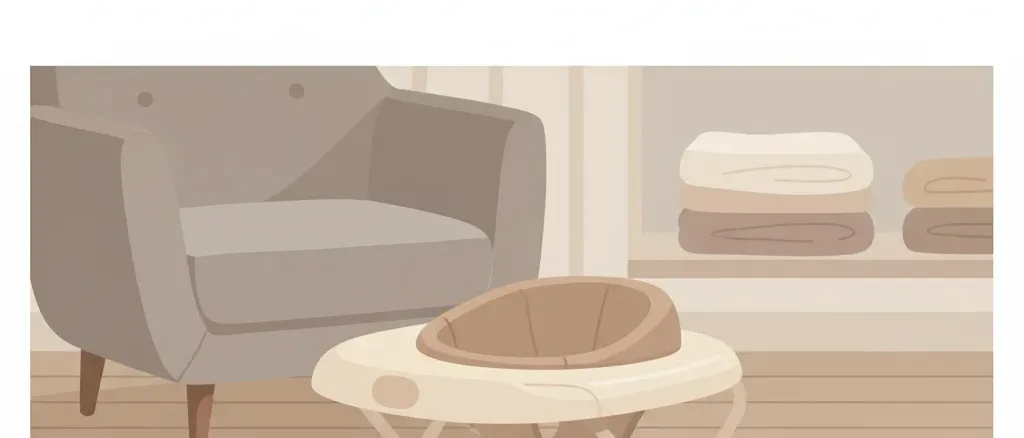
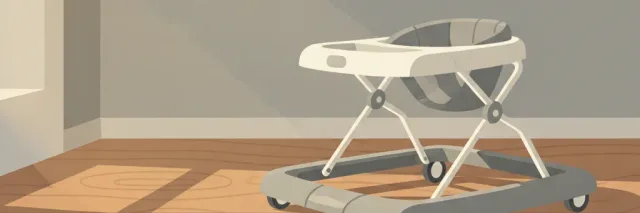
ベビーウォーカーは発達補助具として販売されています:まだ歩けない乳児に移動の感覚を与え、数分間だけ保護者の手を空けるための手段です。購入する親が救急外来を思い描くことはめったにありません;この製品はカタログでハイチェアやプレイマットの隣に並んでいます。米国小児科学会は2001年以降禁止を求めており、カナダは2004年にウォーカーの輸入と販売を全面的に禁止しました。カナダ以外では消費者向け製品という枠組みが支配的で、AAPの立場は主流ではなく周縁的なものとして扱われています。
概算: ウォーカー関連の負傷が起きる確率は約5,000分の1
出典: 編集部の直感(調査に基づかない)
実際のリスク
米国で2014年に15か月未満の子供のウォーカー関連ER受診が約2,001件
ベビーウォーカーに曝露した15か月未満の米国乳児、2014年
計算を表示
Sims et al.(2018、PMID 30224365)は、2014年に米国で15か月未満の子供のウォーカーによるER治療負傷2,001件を報告しました。Simsは2014年のウォーカー使用者の分母を公表していません。頻繁に引用される1990年代半ばのベンチマークであるBar-On(1998)は、米国の乳児の約78%がウォーカーを使用したと推定しました。2010年代半ばまでに、2010年のASTM F977連邦義務基準とAAPによる20年間の抑制の後、米国のウォーカー使用率の最良推定値は0-15か月齢の乳児の約25%です。Janusz et al.(2023)はポーランドのサンプルで15.6%のウォーカー有病率を測定しました。分母の925,000は、おおよそ0.25に0-15か月帯の3.7 millionの米国乳児を掛けたものです。不確実性帯はこれを反映しています:下限は80%のウォーカー使用環境(Bar-On時代)に、上限は15%のウォーカー使用環境(Janusz時代と基準導入後の米国)に対応します。ここでの活動寿命はおよそ1暦年です。典型的なウォーカー使用期間は4-9か月で、単一の年に収まるためです。
注意事項: 925,000人のウォーカーを使う米国乳児という分母は推定値であり、実測された人口ではありません。Sims 2018は使用者あたりの発生率を公表していません;お…
925,000人のウォーカーを使う米国乳児という分母は推定値であり、実測された人口ではありません。Sims 2018は使用者あたりの発生率を公表していません;おおよその460分の1という数値は、2014年のER受診件数を、想定される25%のウォーカー使用有病率で割って構築されています。より古い調査(Bar-On 1998)ははるかに高い使用率を見出しました;ポーランドのJanusz 2023の数値ははるかに低いものです。不確実性帯はこの範囲を挟んでいます。この数値はまた、ER治療された負傷のみを捉えています;家庭で対処された軽微な事例は分子に含まれていません。国際的な適用性は限られています:カナダは実質的に曝露を排除し、EUはEN 1273+A1:2024で規制するものの禁止はせず、米国はASTM F977とAAPの抑制に依拠しています。ここでの数値はいずれも、別途記録された運動発達の遅れ(Janusz 2023、Garrett et al. 2002)を捉えていません。これは負傷ではありませんが、AAPの二次的な反対理由です。
関連するリスク
似たテーマの他のリスク — 関連する不安を探るために。







比較対象を選択
Sims らの 25 年分の NEISS データを集約した解析で最新の集計対象年である 2014 年、米国で 15 か月未満の乳児がベビーウォーカー関連の負傷で救急外来を受診したのはおよそ 2,001 人である。同年の使用児を 925,000 人と概算すると、ユーザー 1 人 1 年あたりおよそ 1/460 という発生率となる。典型的な使用期間は 4–9 か月で 1 年以内に収まるため、これは活動寿命リスクにほぼ一致する。頭頸部の負傷が 90.6%、階段転落が 74.1%、入院は 4.5%、入院児のうち 37.8% に頭蓋骨骨折が認められた。
この項目の特徴は、医療界の総意が「過小評価されている」と判断する数少ない乳児用品リスクの一つだという点にある。米国小児科学会は 2001 年以降、製造と販売の禁止を求めている。カナダは 2004 年 4 月にベビーウォーカーの販売・広告・輸入を禁止し、現在も世界で唯一の全面禁止国である。米国では 2010 年の ASTM F977 義務基準の下で存続し、EU では EN 1273+A1:2024 の下で存続するが、後者は安定性は扱うものの主要な機序である階段転落を排除していない。Sims が示した基準施行後の 22.7% の減少は実在し意味のある変化だが、製品を使わない場合に得られる被害低減には及ばない。
数値はすべての家庭に均等には適用されない。1997 年以前のウォーカー(おさがりで使われている例も多い)は、2010 年以降の適合品に比べておよそ 10 倍の負傷率を生む。階段転落防止ブレーキがなく、標準ドアを通過できる幅だったためである。階段への到達が主たるハザードで、負傷の 74% が階段を含むため、平屋住宅か、上り口に正しく取り付けられた階段ゲートがあれば残余リスクの大半は除去できる。Janusz ら(2023)はポーランドのサンプルで使用率 15.6% を報告しており、ポーランドの家庭ではユーザー単位のリスクは類似だが、人口レベルの負担は大幅に低いと考えられる。
関連する豆知識
通常の生後4〜9か月の期間に歩行器を使う乳児1人あたり、救急で処置される負傷の確率はおよそ~1 in 460で、2014年の米国における歩行器関連の救急受診は約2,001件だった。無害なおもちゃと見なす親は、これを過小評価しがちだ。
根拠台帳
以下の各数値は各出典が報告した内容であり、引用した原文の抜粋と算出方法を記載しています。リンクをクリックして直接確認できます。
3/4 件の出典が引用元と一字一句一致することを独立して検証済み
-
[1] Pediatrics (Sims, Chounthirath, Yang, Hodges, Smith) — Infant Walker-Related Injuries in the United States 検証済み
Infant Walker-Related Injuries in the United StatesSee all 2 Likelier entries citing this source →
- 統計値
230,676 walker-related ER visits in US children under 15 months over 1990-2014 (~9,200/yr avg); 90.6% head/neck injuries; 74.1% stair falls; 4.5% hospitalized; 37.8% of admissions had skull fractures. Annual average fell 22.7% in the 4 years after the 2010 federal mandatory standard.- 抜粋
“"An estimated 230,676 children <15 months of age were treated in US emergency departments for an infant walker-related injury from 1990 through 2014. Most of the children sustained head or neck injuries (90.6%) and 74.1% were injured by falling down the stairs in an infant walker. Among patients who were admitted to the hospital (4.5%), 37.8% had a skull fracture... The average annual number of injuries decreased by 22.7% during the 4-year period after the implementation of the federal mandatory safety standard compared with the 4-year period before the standard." ”
- 出典データ
- 2018-10-01
- アクセス日
- 2026-05-31 · アーカイブ版
- 検証
- グラウンディング監査の際、抜粋を引用元から独立して再取得し、原文と一字一句一致することを確認しました。
- 計算過程
- Sims 2018 is the canonical US source. The 2,001 figure is the 2014 single-year count from the full text; the 230,676 cumulative figure averages roughly 9,200 per year but the trajectory is steeply declining, from 20,650 in 1990 to 2,001 in 2014. The roughly 10x era difference (1990 vs 2014) drives the era multiplier in personal_factor_multipliers. The 22.7% post-standard decline is the abstract-verifiable figure.
-
[2] Pediatrics (AAP Committee on Injury and Poison Prevention) — Injuries Associated With Infant Walkers 検証済み
Injuries Associated With Infant WalkersSee all 2 Likelier entries citing this source →
- 統計値
1999: 8,800 ER-treated walker injuries in US children under 15 months. 34 walker-related deaths reported 1973-1998. AAP recommends a ban on manufacture and sale of mobile infant walkers.- 抜粋
“"In 1999, an estimated 8800 children younger than 15 months were treated in hospital emergency departments in the United States for injuries associated with infant walkers. Thirty-four infant walker-related deaths were reported from 1973 through 1998... the American Academy of Pediatrics recommends a ban on the manufacture and sale of mobile infant walkers." ”
- 出典データ
- 2001-09-01
- アクセス日
- 2026-05-31 · アーカイブ版
- 検証
- グラウンディング監査の際、抜粋を引用元から独立して再取得し、原文と一字一句一致することを確認しました。
- 計算過程
- AAP 2001 policy statement is the canonical ban-recommendation citation. Confirms the 1990s-era injury burden of roughly 8,800 per year in 1999, which Sims 2018 documented declining to 2,001 by 2014. The AAP position has not been retracted in subsequent policy updates.
-
[3] Government of Canada (Health Canada) — Minister Pettigrew announces ban on baby walkers
Minister Pettigrew announces ban on baby walkersSee all 2 Likelier entries citing this source →
- 統計値
Canada banned sale, advertisement and importation of baby walkers effective April 2004, first country in the world to do so- 抜粋
“"Health Minister Pierre Pettigrew today announced the Government of Canada's immediate prohibition of the sale, advertisement and importation of baby walkers in Canada... 'Canada is the first country in the world to ban the sale of these products.'... Typically, incidents linked to baby walkers involve head injuries that result from falls down stairs." ”
- 出典データ
- 2004-04-07
- アクセス日
- 2026-05-31 · アーカイブ版
- 計算過程
- Canada remains the only country with a complete walker ban as of 2026. The EU and Poland regulate via EN 1273+A1:2024-05 (PN-EN equivalent), which addresses stability and tip-over but does not ban the product. This regulatory divergence is the headline international context for anyone reading the entry from outside North America.
-
[4] Pediatric Physical Therapy (Janusz, Pikulska, Kapska et al., Poznan University of Medical Sciences) — Association Between Baby Walker Use and Infant Functional Motor Development 検証済み
Association Between Baby Walker Use and Infant Functional Motor Development- 統計値
15.6% of Polish infants used baby walkers; walker-using infants were significantly more likely to skip crawling than non-users (n=969)- 抜粋
“"Baby walkers were used by 15.6% of children. Walker-using infants were significantly more likely to skip crawling than non-users." ”
- 出典データ
- 2023-04-01
- アクセス日
- 2026-05-31 · アーカイブ版
- 検証
- グラウンディング監査の際、抜粋を引用元から独立して再取得し、原文と一字一句一致することを確認しました。
- 計算過程
- Janusz 2023 is the only Polish prevalence figure verified by PubMed (n=969, 14% response rate). Self-selected sample likely under-counts true prevalence; treat 15.6% as a lower-bound for educated Polish families. Used in the denominator-assumption discussion and in the Poland-specific caveat. Not used to support the headline US figure.