証拠の質 4.38/5
8次元のレビュー評価。基準は 品質ルーブリック 。各次元は1〜5で評価。
- D1 出典への根拠
- 4/5
- D2 出典の権威性
- 5/5
- D3 算術
- 4/5
- D4 不確実性
- 4/5
- D5 範囲
- 4/5
- D6 文章
- 5/5
- D7 認識の誠実性
- 4/5
- D8 注意事項の完全性
- 5/5
● あなたの要因 — このリスクをクリック ▾ して表示
- あなたの要因
≈ 同じくらいの確率
認知リスク
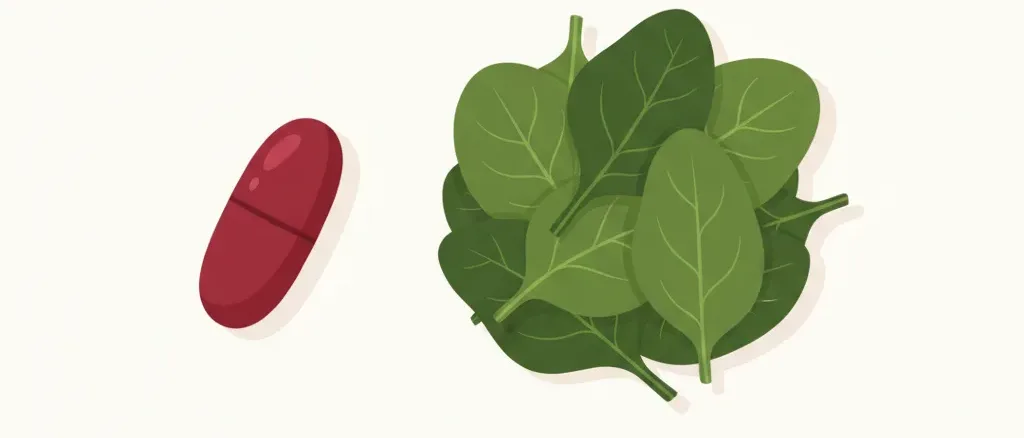
ベジタリアンの食事が必然的に危険な栄養不足につながるという信念は、より根強い食に関する俗説の一つとして残り続けています。「タンパク質はどこから摂るの?」は、肉を避ける人に向けられる定番の質問であり続けています。その根底にある前提——動物の肉を排除することが臨床的欠乏へのほぼ確実な道を作るという前提——は、ビーガンがB12の枯渇で倒れるという逸話的な恐怖話や、植物性の食事を薬理学的介入を要する状態として扱うサプリメント業界のマーケティングによって増幅されています。
概算: 深刻な栄養欠乏を発症する確率は約30~50%
出典: 編集部の直感(調査に基づかない)
実際のリスク
ラクト・オボ・ベジタリアンにおけるB12欠乏の有病率は約7%(EPIC-Oxford)
EPIC-Oxfordコホートにおける英国の男性ベジタリアン
計算を表示
EPIC-Oxfordコホートでは、B12欠乏(血清<118 pmol/L)がベジタリアンの7%に見られたのに対し、ビーガンでは52%、雑食者では1%未満でした(Gilsingら2010)。この7%は横断的な生化学的マーカーの閾値であり、臨床診断ではありません。また、この項目の引用文献のいずれも、生化学的に欠乏したベジタリアンのうち、どの程度の割合が無症候のままにとどまるのに対し、臨床的に深刻な疾患(巨赤芽球性貧血、神経学的損傷)に進行するかを定量化していません。出典のある換算係数がないため、この項目は、検証されていない前提からより小さな「臨床的に深刻」な数字を導き出すのではなく、EPIC-Oxfordの7%という有病率をそのまま推定値として用いています。Pawlakら(2018)のレビューでは、女性ベジタリアンの鉄欠乏性貧血率は6~30.3%(男性ではフェリチン欠乏1.7~29%)であり、リスクは閉経前の女性に集中していました。ほとんどの症例は軽度で、食事の調整に反応します。Adventist Health Study-2コホートでは、ベジタリアンの血漿B12にとってB12サプリメントと強化ミルク代替品が有意な寄与因子でした(Rizzoら2018)。これは、サプリメントを摂取するベジタリアンがB12の状態を維持できることを示していますが、その研究は集団全体で実際にサプリメントを摂取するベジタリアンの割合ではなく、グループ内の関連性を測定したものです。
注意事項: 「ベジタリアン」は、毎日乳製品を摂るラクト・オボの食事からほぼビーガンに近い食生活まで幅広く、欠乏リスクはその範囲全体で大きく異なります。7%という推定値はEP…
「ベジタリアン」は、毎日乳製品を摂るラクト・オボの食事からほぼビーガンに近い食生活まで幅広く、欠乏リスクはその範囲全体で大きく異なります。7%という推定値はEPIC-Oxfordのベジタリアンにおける生の生化学的B12欠乏マーカー率であり、そのまま用いているのは、引用文献のいずれも、そのグループのうちどの程度の割合が臨床的に深刻な疾患を発症するに至るかを定量化していないためです——サプリメントを利用できる、適切に計画されたラクト・オボ・ベジタリアン食での実際の深刻な疾患の発生率は、この数字よりも低い可能性があります。サプリメントなしの厳格なビーガニズムは、カテゴリー的に異なるリスクプロファイルです。鉄欠乏はB12よりも微妙です。フェリチンの貯蔵量の低下はベジタリアンでよく見られますが、適切に計画された食事では臨床的貧血に進行することはめったにありません。Adventist Health Studyの集団は、アドベンチストが平均以上の健康リテラシーとサプリメント使用を持つため、すべてのベジタリアンに一般化できない可能性があります。
関連するリスク
似たテーマの他のリスク — 関連する不安を探るために。







比較対象を選択
EPIC-Oxfordコホート研究では、**ベジタリアンの7%**に生化学的B12欠乏が見られました。これは実際の数値ですが、**ビーガンの52%や雑食者の1%未満と比較すると控えめな数値です。鉄については、Pawlak et al.は人口と食事の質によって12-79%の欠乏率を報告していますが、実際の臨床的貧血(血液検査での低フェリチンとは対照的に)は、女性ベジタリアンの6-30%に影響し、男性でははるかに少なかったです。適切に計画されたラクト・オボ・ベジタリアン食における臨床的に深刻な欠乏の生涯確率は4.5%程度であり、これは加工肉を毎日摂取することによる4.8%**の生涯大腸がんリスクとほぼ同等です。
認識のギャップは、臨床前のマーカーと臨床疾患を混同することによって生じています。検査パネルでの低血清B12は、巨赤芽球性貧血や神経学的損傷とは異なります。低フェリチンは、症候性鉄欠乏性貧血とは異なります。Adventist Health Study-2は、サプリメントや強化食品を使用するベジタリアンは、雑食者とB12に有意な差がないことを示しました。「生きるためには肉が必要だ」という枠組みは、サプリメントを必要とする最も一般的な栄養欠乏症であるビタミンDが、雑食者にも同等かそれ以上の割合で影響しているという事実を無視しています。
リスクプロファイルは、食事の種類と計画によって大きく分かれます。卵、乳製品、および多様な食事を摂取するラクト・オボ・ベジタリアンは、臨床的リスクが最小限です。すべてのサプリメントを避ける厳格なビーガンは、全く異なる状況にあります。外因性B12なしでは、植物性食品が確実にそれを提供しないため、数年で臨床的欠乏がほぼ確実になります。あらゆる植物性食品ベースの食事を摂る閉経前の女性は、月経による損失と非ヘム鉄の生体利用率の低さにより、鉄欠乏のリスクが高まります。このサブグループでは、意図的な食事計画やサプリメント摂取は選択肢ではありません。
関連する豆知識
よく計画された菜食では、臨床的に深刻な栄養不足が生じる生涯確率はおよそ4%です。「タンパク質はどこから摂るの」という直感はこれを30-50%近くと見積もります。ほとんどの不足は無症状のままです。
根拠台帳
以下の各数値は各出典が報告した内容であり、引用した原文の抜粋と算出方法を記載しています。リンクをクリックして直接確認できます。
-
[1] European Journal of Clinical Nutrition (Gilsing et al.) — Serum concentrations of vitamin B12 and folate in British male omnivores, vegetarians and vegans: results from a cross-sectional analysis of the EPIC-Oxford cohort study
Serum concentrations of vitamin B12 and folate in British male omnivores, vegetarians and vegans: results from a cross-sectional analysis of the EPIC-Oxford cohort study- 統計値
B12 deficiency (<118 pmol/L): 52% of vegans, 7% of vegetarians, <1% of omnivores- 抜粋
“"Mean serum vitamin B12 was highest among omnivores (281 pmol/l), intermediate among vegetarians (182 pmol/l) and lowest among vegans (122 pmol/l). In all, 52% of vegans, 7% of vegetarians and one omnivore were classified as vitamin B12 deficient (defined as serum vitamin B12 <118 pmol/l)." ”
- 出典データ
- 2010-07-21
- アクセス日
- 2026-04-18 · アーカイブ版
- 計算過程
- EPIC-Oxford cross-sectional analysis of 689 men. B12 deficiency defined as serum <118 pmol/L. The 7% vegetarian deficiency rate is the native statistic. Note this is a subclinical biochemical marker, not clinical disease -- most of the 7% were asymptomatic. The gap between vegetarian (7%) and vegan (52%) underscores that lacto-ovo vegetarians obtain meaningful B12 from dairy and eggs.
-
[2] American Journal of Lifestyle Medicine (Pawlak et al.) — Iron Status of Vegetarian Adults: A Review of Literature
Iron Status of Vegetarian Adults: A Review of Literature- 統計値
Iron deficiency (low ferritin) in 12-79% of female vegetarians; anemia (low hemoglobin) in 6-30%- 抜粋
“"Among female vegetarians, ferritin deficiency ranged from 12% to 79%, with inadequate hemoglobin concentration ranging from 6% to 30.3%. For males, ferritin deficiency ranged from 1.7% to 29%." ”
- 出典データ
- 2018-01-09
- アクセス日
- 2026-04-18 · アーカイブ版
- 計算過程
- Pawlak et al. literature review of iron status across vegetarian populations. The wide ranges reflect different populations and study designs. The higher end (79% ferritin deficiency) represents poorly planned diets in developing countries; the lower end (12%) represents well-planned diets in Western countries. Ferritin deficiency (low iron stores) is far more common than clinical anemia (low hemoglobin causing symptoms), which is the relevant outcome for "serious deficiency."
-
[3] Nutrients (Rizzo et al.) — Foods and Supplements Associated with Vitamin B12 Biomarkers among Vegetarian and Non-Vegetarian Participants of the Adventist Health Study-2 (AHS-2) Calibration Study
Foods and Supplements Associated with Vitamin B12 Biomarkers among Vegetarian and Non-Vegetarian Participants of the Adventist Health Study-2 (AHS-2) Calibration Study- 統計値
Among Adventist vegetarians, B12 supplements and milk substitutes were the significant contributors of plasma B12, with supplements positively associated especially among vegans and lacto-ovo vegetarians- 抜粋
“"B12 supplements had a significantly positive association with plasma B12 among all subjects (p trend < 0.001), especially among vegans and lacto-ovo vegetarians (p trend < 0.001)... Supplements containing B12 followed by B12 intake from milk substitutes were significant contributors of plasma vitamin B12 concentration." ”
- 出典データ
- 2018-06-01
- アクセス日
- 2026-04-18 · アーカイブ版
- 計算過程
- The Adventist Health Study-2 calibration study is a within-group association study (PMC6024521 / PMID 29867046), not a vegetarian-vs-omnivore difference test. It found that B12 supplements and B12 from milk substitutes were the significant contributors of plasma B12 among vegetarians, with supplements strongly associated especially among vegans and lacto-ovo vegetarians. This supports the estimate that "well-planned" vegetarian diets -- those whose adherents use B12 supplements or fortified milk substitutes -- can maintain plasma B12, carrying much lower deficiency risk than the raw EPIC-Oxford biochemical prevalence (which includes unsupplemented vegetarians) suggests. Note: the study does not directly report that supplementation eliminates a vegetarian-vs-omnivore B12 gap; that cross-group equivalence is not measured here.