証拠の質 4.88/5
8次元のレビュー評価。基準は 品質ルーブリック 。各次元は1〜5で評価。
- D1 出典への根拠
- 4/5
- D2 出典の権威性
- 5/5
- D3 算術
- 5/5
- D4 不確実性
- 5/5
- D5 範囲
- 5/5
- D6 文章
- 5/5
- D7 認識の誠実性
- 5/5
- D8 注意事項の完全性
- 5/5
● あなたの要因 — このリスクをクリック ▾ して表示
- あなたの要因
認知リスク
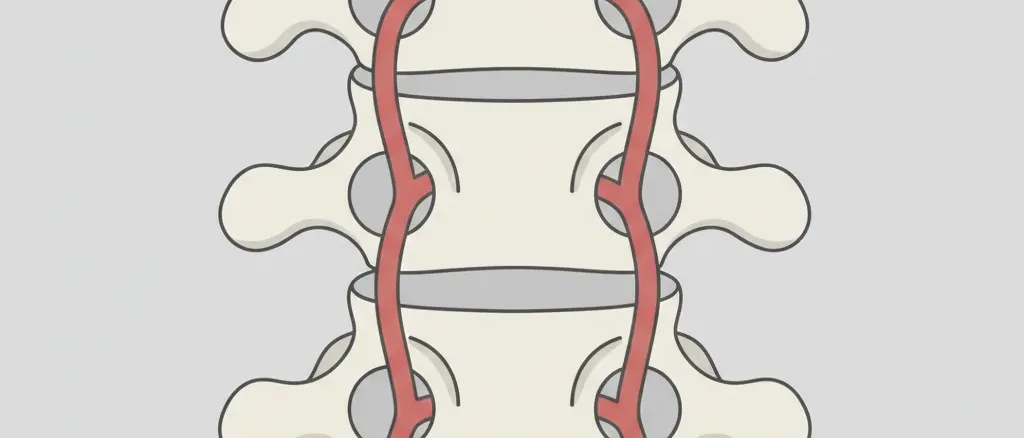
頸椎操作と脳卒中の関連は、数十年にわたり報道の見出しや訴訟、専門家間の二極化した論争を生んできました。カイロプラクティックによる首の調整後に椎骨動脈解離が生じたという症例報告により、この施術が無視できない脳卒中リスクを伴うという認識が生まれています。カイロプラクティック業界は、この関連は交絡によるものだと主張します。すなわち、既存の動脈解離を持つ患者が脳卒中の前に首の痛みのために受診するため、時間的な関連はあっても因果的な関連ではないというものです。批判者は、たとえ絶対リスクが小さくてもゼロではなく、頸椎操作は首や腰の痛みに対して理学療法を上回る有効性が示されていない以上、いかなる脳卒中リスクもリスク・ベネフィットの観点から受け入れられないと論じています。
概算: 小さいながらも現実の脳卒中リスクを伴うと広く認識されており、カイロプラクティック治療を完全に避ける患者もいる
出典: 編集部の直感(調査に基づかない)
実際のリスク
頸椎操作百万回あたり約1〜3件の椎骨脳底動脈イベント
カイロプラクターによる頸椎操作を受ける患者
計算を表示
頸椎操作後の椎骨脳底動脈系脳卒中に関する公表推定値は、操作400,000回に1回から5.85百万回に1回まで幅がありますが、多くのレビューはおおむね百万回あたり1〜3回に収束しています。中心推定値として百万回あたり2回を用いています。 生涯推定値は曝露の仮定に大きく依存します。年間約20回の頸椎操作を30年間受ける「定期的なカイロプラクティック利用者」(生涯600回の操作)の累積リスクは 1 − (1 − 0.000002)^600 ≈ 0.0012、すなわち約830分の1です。 しかし、平均的な米国人が生涯に受ける頸椎操作の回数ははるかに少ないのが実情です。米国成人の約10%が任意の年にカイロプラクターを受診し、すべての受診が頸椎操作を伴うわけではありません。一般人口のより代表的な生涯曝露は頸椎操作30回程度でしょう。セッションあたり百万分の2のリスクとすると、1 − (1 − 0.000002)^30 ≈ 0.00006、すなわち約17,000分の1です。 Cassidy et al. 2008の症例対照研究は、カイロプラクティック受診後の椎骨脳底動脈系脳卒中の過剰リスクがプライマリケア受診と比べて認められないことを示し、この関連が既存の解離による交絡だけで説明できる可能性を示唆しています。この解釈が正しければ、因果的リスクはゼロに近いことになります。
注意事項: 本項目のリスク推定値は、頸椎操作を受けることを条件としたものです。頸椎操作を一切受けない人にとって、リスクは定義上ゼロです。「過大評価」という枠付けは、カイロプ…
本項目のリスク推定値は、頸椎操作を受けることを条件としたものです。頸椎操作を一切受けない人にとって、リスクは定義上ゼロです。「過大評価」という枠付けは、カイロプラクティックの首の操作が高い脳卒中リスクを伴うという認識に対するものであり、仮に因果関係があるとしても、セッションあたりの絶対リスクは百万分の1程度の範囲です。ただし、リスク・ベネフィットの枠組みこそが決定的な文脈です。複数のCochraneレビューが示唆するように、頸椎操作が首の痛みに対して理学療法や運動を上回る利益をもたらさないのであれば、ゼロでない脳卒中リスクは、たとえ非常に小さくても、リスク・ベネフィット比を不利な方向に傾けます。本項目は、同様の血管リスクを伴わない腰椎や胸椎の操作は扱っていません。プライマリケア医受診と比べて過剰リスクがないというCassidy 2008およびChurch 2016の知見は方法論的に議論が続いており、リスクがゼロであることの証明と解釈すべきではありません。
関連するリスク
似たテーマの他のリスク — 関連する不安を探るために。







比較対象を選択
頸椎操作後の椎骨脳底動脈脳卒中のリスクは、医療過誤請求分析、施術者調査、集団ベースの症例対照研究といった異なる手法を用いた複数の研究において、セッションあたり約100万回に1〜3回と推定されています。その範囲は、Haldeman氏による585万回の操作あたり1回という推定(カナダの医療過誤データに基づく)から、スイスの調査による約40万回あたり1回まで幅があります。最も多く引用される集団研究であるCassidy et al. 2008は、カイロプラクティック受診後の椎骨脳底動脈脳卒中の過剰リスクが、プライマリケア医受診後と比較してないことを発見しました。これにより著者らは、この関連性は交絡していると結論付けています。すなわち、未診断の椎骨動脈解離を持つ患者は、脳卒中に先行する首の痛みや頭痛のために治療を求め、その出来事の前にカイロプラクターまたは医師のいずれかを訪れるのです。
因果関係の問題は未解決のままです。2016年のシステマティックレビューとメタアナリシス(Church et al.)では、カイロプラクティック治療と頸部動脈解離との間に有意な関連性は見られませんでした。2024年のナラティブレビューは、高速頸部スラスト中の椎骨動脈にかかる回転力といった、もっともらしい生体力学的メカニズムを認めましたが、疫学研究は集団レベルでの因果関係を支持していないと結論付けました。その困難さは構造的なものです。椎骨動脈解離は稀であり、首の痛みは解離の症状であると同時にカイロプラクターを受診する理由でもあるため、因果関係がなくてもカイロプラクティック受診と脳卒中の時間的関連性は予想されます。このシナリオで因果関係と交絡を区別するには、非現実的に大規模なランダム化比較試験が必要となるでしょう。
より生産的な問いは、頸椎操作が脳卒中を引き起こすかどうか(おそらく時々、しかしおそらく決してない)ではなく、その利益が何らかのゼロではないリスクを正当化するかどうかです。複数のCochraneレビューは、脊椎操作が首や背中の痛みに対して、理学療法、運動、または標準的な医療よりも優れているという証拠を見出していません。もしその利益が、脳卒中のもっともらしいリスクを伴わない理学療法セッションと同等であるならば、脳卒中リスクが40万回に1回であろうと500万回に1回であろうと、頸椎操作のリスク・ベネフィット計算は不利になります。1セッションあたりの絶対リスクは十分に低いため、単一のカイロプラクティック受診に対する恐怖は不均衡ですが、同等に効果的な代替手段が存在する中で、何年にもわたって頸椎操作を繰り返し受けるという決定は、その数字を検討する価値があるところです。
関連する豆知識
頸椎マニピュレーションによる生涯脳卒中リスクは、定期的にカイロプラクティックを受ける人でおよそ1 in 17,000で、施術100万回あたりおよそ1-3件の椎骨脳底動脈イベントが起きる。
根拠台帳
以下の各数値は各出典が報告した内容であり、引用した原文の抜粋と算出方法を記載しています。リンクをクリックして直接確認できます。
3/4 件の出典が引用元と一字一句一致することを独立して検証済み
-
[1] Chiropractic & Manual Therapies (PMC) — Current understanding of the relationship between cervical manipulation and stroke: what does it mean for the chiropractic profession? 検証済み
Current understanding of the relationship between cervical manipulation and stroke: what does it mean for the chiropractic profession?- 統計値
Published incidence estimates diverge widely: a Swiss survey put 'important complications' at 1:400,000, while Danish chiropractors estimated one case per 1.3 million cervical treatment sessions- 抜粋
“"From these data they estimated an incidence of one case per 362 chiropractor years and one case per 1.3 million cervical treatment sessions." ”
- 出典データ
- 2010-06-16
- アクセス日
- 2026-04-18 · アーカイブ版
- 検証
- グラウンディング監査の際、抜粋を引用元から独立して再取得し、原文と一字一句一致することを確認しました。
- 計算過程
- This review surveys the range of published risk estimates, which diverge widely by methodology (malpractice claims, practitioner surveys, population studies): a Swiss survey put "important complications" at 1:400,000, while Danish chiropractors estimated one case per 1.3 million cervical treatment sessions. The paper does not claim a consensus figure; the spread is roughly two orders of magnitude, so only the order of magnitude (about 1 per million) is reasonably well supported. The review also notes the Cassidy 2008 finding of no excess risk compared to PCP visits, which, if accepted, would move the causal estimate toward zero.
-
[2] Cureus (PMC) — Systematic Review and Meta-analysis of Chiropractic Care and Cervical Artery Dissection: No Evidence for Causation 検証済み
Systematic Review and Meta-analysis of Chiropractic Care and Cervical Artery Dissection: No Evidence for Causation- 統計値
Meta-analysis found no evidence that chiropractic care causes cervical artery dissection; similar associations found for PCP visits- 抜粋
“"The meta-analysis revealed a small association between chiropractic care and dissection ... The association for chiropractor visit was not greater than for PCP visit. ... There is no convincing evidence to support a causal link between chiropractic manipulation and CAD." ”
- 出典データ
- 2016-02-16
- アクセス日
- 2026-04-18 · アーカイブ版
- 検証
- グラウンディング監査の際、抜粋を引用元から独立して再取得し、原文と一字一句一致することを確認しました。
- 計算過程
- Church et al. 2016 is the most comprehensive meta-analysis to date. The finding of "no evidence for causation" does not mean the risk is zero — absence of evidence is not evidence of absence, and case reports of temporal association are plentiful. The methodological debate centers on whether case-control studies adequately control for the confounding of pre-existing dissection driving both the chiropractic visit (neck pain) and the subsequent stroke. The conservative interpretation: the causal contribution of cervical manipulation, if any, is too small to detect in population-level studies.
-
[3] Cureus (PMC) — Plausible Mechanisms of Causation of Immediate Stroke by Cervical Spine Manipulation: A Narrative Review
Plausible Mechanisms of Causation of Immediate Stroke by Cervical Spine Manipulation: A Narrative Review- 統計値
Biomechanical analysis identifies plausible mechanisms by which cervical manipulation could cause vertebral artery injury- 抜粋
“"The findings of Cassidy et al. support that CSM does not cause cervical artery dissection in cases of post-manipulative stroke and that cervical artery dissection is likely pre-existing to the CSM." ”
- 出典データ
- 2024-03-18
- アクセス日
- 2026-04-18 · アーカイブ版
- 計算過程
- This 2024 narrative review examines the biomechanical plausibility of cervical manipulation causing arterial injury. While it acknowledges plausible mechanisms exist, it also notes that the epidemiological evidence (Cassidy 2008, Church 2016) does not support a causal relationship at the population level. The review highlights the fundamental difficulty: case reports demonstrate temporal association, but controlled studies do not show excess risk compared to other healthcare encounters. The risk-benefit question is therefore not about whether cervical manipulation causes stroke (unclear), but whether it offers benefits superior to alternatives with no plausible stroke mechanism (physiotherapy, exercise).
-
[4] CMAJ (Canadian Medical Association Journal) — Haldeman S, Carey P, Townsend M, Papadopoulos C — Arterial dissections following cervical manipulation: the chiropractic experience 検証済み
Arterial dissections following cervical manipulation: the chiropractic experience- 統計値
Canadian Chiropractic Protective Association malpractice-claims data (1988-1997, ~134.5 million estimated cervical manipulations): 23 reported cases of stroke or vertebral artery dissection, yielding an estimated rate of 1 per 5.85 million cervical manipulations (1 per 8.06 million office visits)- 抜粋
“"The likelihood that a chiropractor will be made aware of an arterial dissection following cervical manipulation is approximately 1:8.06 million office visits, 1:5.85 million cervical manipulations, 1:1430 chiropractic practice years and 1:48 chiropractic practice careers." ”
- 出典データ
- 2001-10-02
- アクセス日
- 2026-07-03 · アーカイブ版
- 検証
- グラウンディング監査の際、抜粋を引用元から独立して再取得し、原文と一字一句一致することを確認しました。
- 計算過程
- Haldeman et al. analyzed malpractice-claims data from the Canadian Chiropractic Protective Association covering 1988-1997: 23 confirmed cases of stroke or vertebral artery dissection following cervical manipulation, against an estimated 134.5 million cervical manipulations performed over the period (derived from a survey of a 10% sample of practicing Canadian chiropractors, 77.8% response rate). This yields the 1-per-5.85-million-manipulations figure cited in the body text as the low end of the published risk-estimate range, alongside the Swiss 1:400,000 "important complications" estimate from the first source above. The authors note this insurance-claims-based rate is substantially lower than estimates calculated from surveys of neurologists (1:500,000-1,000,000), a discrepancy attributed to underreporting to malpractice insurers versus recall in physician surveys.