証拠の質 4.5/5
8次元のレビュー評価。基準は 品質ルーブリック 。各次元は1〜5で評価。
- D1 出典への根拠
- 4/5
- D2 出典の権威性
- 5/5
- D3 算術
- 5/5
- D4 不確実性
- 4/5
- D5 範囲
- 5/5
- D6 文章
- 5/5
- D7 認識の誠実性
- 4/5
- D8 注意事項の完全性
- 4/5
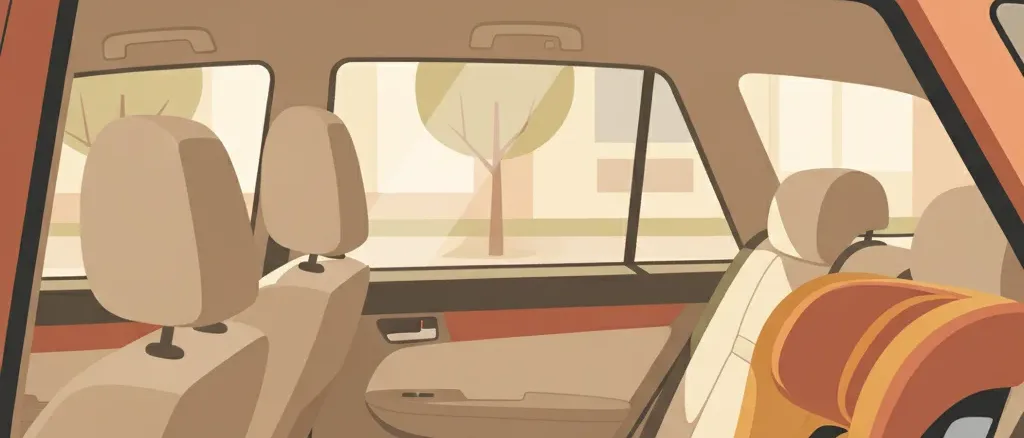
認知リスク
暑い日に駐車した車内へ子どもを残すのが危険だということは、ほとんどの親が認識している。しかし頭の中のモデルはたいてい不注意の物語であり、ネグレクトをする親や気の散った親だけがやることだと考えられている。人々が一貫して過小評価しているのは、後部座席に子どもがいたことを単に忘れてしまった、注意深く愛情深い養育者が関わる死亡がどれほど多いかである。「置き忘れられた赤ちゃん症候群」と呼ばれることもあるこの現象は、よく記録された神経学的パターンに従う。乱れたルーティン(その親は普段は送りを担当していない、子どもが眠ってしまった、など)が記憶の痕跡を断ち切り、脳は自信をもって、しかし誤って、座席は空だと結論づける。親はまた、車がどれほど速く熱くなるかも過小評価している。車内温度は十分間で20°F(11°C)上昇することがあり、外気温がわずか60°F台でも致死的な水準(中核体温104°F超)に達しうる。
概算: ほとんどの人はリスクとして認識しているが、良い親がどれほど頻繁に忘れてしまうかを著しく過小評価している
出典: 編集部の直感(調査に基づかない)
実際のリスク
年間約37人が死亡(15歳未満の米国の子ども)
15歳未満の米国の子ども
計算を表示
NHTSAとKidsAndCars.orgは、1998年から2024年まで(27年間)に1,010件の子どもの車内熱中症死を報告しており、平均すると年間約37.4人の死亡になる。15歳未満の米国の子ども人口は約57 million人(国勢調査局ACS 2023)。年率:37.4 / 57,000,000 ≈ 年間・million人あたり0.656、すなわち子ども1人あたり年間1,524,000分の1。子ども期(0–14歳、15年間)の累積確率:1 − (1 − 1/1,524,000)^15 ≈ 9.8e-6、およそ102,000分の1。犠牲者の約55%は2歳未満で、リスクのピークは0–4歳に集中している。この数値はスキーマ互換性のためlifetime_us_adultと表示されているが、実際にはsubgroup_lifetime(子ども1人あたり、出生から14歳まで)の指標を反映している。
注意事項: 年平均37人という死亡数は、意味のある年ごとの変動を覆い隠している。2018年と2019年はそれぞれ53人(追跡期間中の最多)を記録した一方、25人に近い年もあ…
年平均37人という死亡数は、意味のある年ごとの変動を覆い隠している。2018年と2019年はそれぞれ53人(追跡期間中の最多)を記録した一方、25人に近い年もあった。車内熱中症は一年を通じたリスクであり、直射日光の下に何時間も駐車していれば、気温が70°F未満でも事故は起こる。非致死的な事案(生存して発見されたが熱中症で入院を要した子ども)はこの集計に含まれていない。正規化された数値はあらゆる状況(忘れられた、車内で遊んでいて閉じ込められた、意図的に残された)を合算したもので、そのうち「忘れられた」カテゴリーが死亡の約52%を占める。
関連するリスク
似たテーマの他のリスク — 関連する不安を探るために。





比較対象を選択
米国では毎年約37人の子どもが車内熱中症で死亡しています。駐車中の車に閉じ込められたり、忘れられたりするケースです。NHTSAとKidsAndCars.orgによると、1998年から2024年までの27年間の追跡期間で、合計1,010件の死亡が記録されています。幼少期全体を通じた累積確率は、米国で生まれた子ども約102,000人に1人とされており、プールでの溺死より大幅に低い確率ですが、同程度のオーダーです。
リスクの全体像を変えるのは数字ではなく、メカニズムです。死亡例の約**52%**は、車内に子どもがいたことを単純に忘れた養育者が関与しています。ネグレクトをした親ではなく、日常的なルーティンがわずかに乱れた人であることがほとんどです。このパターンを研究する神経科学者は、習慣ベースの記憶(毎日の通勤)と展望的記憶(子どもを降ろすという用件)の競合を指摘しています。子どもが眠っていて車内が静かで、かつルーティンが普段と異なる場合、習慣回路が優勢となり展望的記憶が呼び起こされないのです。「忘れた」ケースの約47%は、普段は送迎を担当しない養育者が関与していました。つまり、育児の担当が変わるとき——新生児の誕生、スケジュール変更、もう一方の親の出張——に最もリスクが高まります。
物理的な要因が危険をさらに高めます。車内温度は10分で外気より20°F(約11°C)上昇し、1時間で50°F(約28°C)以上上昇することがあります。子どもの体温は同じ条件下で大人の約5倍の速さで上昇します。日光が当たる状態で数時間駐車していると、外気温が**60°F(約15°C)**程度でも熱中症や死亡が起こり得ます。NHTSAは2025年モデルから米国で販売されるすべての新型乗用車に後部座席の乗員警告システムの搭載を義務付けており、支持者はこの規制が今後10年で「忘れた」ことによる死亡を大幅に減少させると期待しています。
関連する豆知識
高温の車内に置き去りにされた子どもが死亡する累積確率は14歳までに約1 in 102,000で、米国の15歳未満の子どもで年間およそ37件のこうした死亡に基づく。多くのケースでは保護者が単に置き忘れていた。
根拠台帳
以下の各数値は各出典が報告した内容であり、引用した原文の抜粋と算出方法を記載しています。リンクをクリックして直接確認できます。
1/4 件の出典が引用元と一字一句一致することを独立して検証済み
-
[1] National Highway Traffic Safety Administration (NHTSA) — You Can Help Prevent Hot Car Deaths
You Can Help Prevent Hot Car Deaths- 統計値
On average, 37 children under age 15 die from heatstroke each year after being left in a vehicle; more than 1,000 US children have died since 1998- 抜粋
“"Every year, dozens of children die from heatstroke after being left alone in a vehicle. About 37 children die each year, or about two kids every week during the summer months. Since 1998, more than 1,000 children have died this way." ”
- 出典データ
- 2025-01-01
- アクセス日
- 2026-05-04 · アーカイブ版
- 計算過程
- NHTSA confirms the 37/year average and the >1,000 total since 1998. Used as the primary anchor for the native rate: 37 deaths / 57,000,000 US children under 15 ≈ 0.65 per million per year = 1 in 1,524,000 per year.
- 独立性
- NHTSA compiles fatality data from FARS (Fatality Analysis Reporting System) and state medical examiner reports. KidsAndCars.org maintains a parallel database; both sources consistently report the same annual averages.
-
[2] National Safety Council — Hot Car Deaths — Injury Facts
Hot Car Deaths — Injury Facts- 統計値
Since 1998, more than 1,000 children have died from hot car heatstroke; 52% of deaths occur because a child was forgotten in the vehicle- 抜粋
“"On average, 37 children under the age of 15 die each year from heatstroke after being left in a vehicle. Since 1998, more than 1,000 children have died this way. The majority of hot car deaths (52%) happen because a caregiver forgot the child was in the car." ”
- 出典データ
- 2025-01-01
- アクセス日
- 2026-05-04 · アーカイブ版
- 計算過程
- NSC confirms the 37/year average and the 52% "forgotten" mechanism statistic. Used to support the normalized display and the risk modifier for routine disruption.
- 独立性
- NSC compiles data from NHTSA FARS and KidsAndCars.org databases. Provides independent confirmation of the annual rate and mechanism breakdown.
-
[3] National Highway Traffic Safety Administration (NHTSA) — Child Heatstroke Prevention: Prevent Hot Car Deaths
Child Heatstroke Prevention: Prevent Hot Car Deaths- 統計値
A child's body temperature rises three to five times faster than an adult's; heatstroke begins around a core body temperature of 104°F, and death can occur around 107°F or higher- 抜粋
“[Paraphrase — NHTSA campaign page blocks automated fetching] NHTSA's heatstroke-prevention campaign states that a child's body temperature rises three to five times faster than an adult's, that heatstroke begins at a core body temperature of about 104°F, and that death can occur at approximately 107°F or higher. ”
- 出典データ
- 2025-01-01
- アクセス日
- 2026-07-03 · アーカイブ版
- 計算過程
- Supports the body-prose claim that a child's core body temperature rises several times faster than an adult's under the same conditions, and corroborates the perceived.description's "above 104°F core body temperature" lethal-threshold framing already used elsewhere in this entry.
- 独立性
- Same publisher (NHTSA) as the primary death-count source above, but a distinct page addressing physiological mechanism rather than fatality statistics.
-
[4] University of South Florida (USF News) — Why the Human Brain Allows Loving Caretakers to Leave a Child to Die in a Hot Car 検証済み
Why the Human Brain Allows Loving Caretakers to Leave a Child to Die in a Hot Car- 統計値
Forgotten baby syndrome results from competition between the brain's habit-memory system and its prospective-memory system; when habit memory dominates, the subconscious can overpower conscious awareness of a sleeping child in the back seat- 抜粋
“"the subconscious (habit) neural system can overpower the conscious mind when it comes to maintaining awareness of a sleeping child in the back of a car." ”
- 出典データ
- 2019-03-05
- アクセス日
- 2026-07-03 · アーカイブ版
- 検証
- グラウンディング監査の際、抜粋を引用元から独立して再取得し、原文と一字一句一致することを確認しました。
- 計算過程
- Supports the body-prose explanation of the "forgotten baby syndrome" mechanism as a competition between habit memory and prospective memory, based on University of South Florida psychology professor David Diamond's research. Qualitative mechanism source, not a numeric anchor; corroborates the neurological-pattern framing already present in perceived.description.
- 独立性
- Independent of the NHTSA/NSC fatality-count sources above; addresses the caregiver-memory mechanism rather than incidence or fatality statistics.