証拠の質 4.75/5
8次元のレビュー評価。基準は 品質ルーブリック 。各次元は1〜5で評価。
- D1 出典への根拠
- 5/5
- D2 出典の権威性
- 5/5
- D3 算術
- 5/5
- D4 不確実性
- 4/5
- D5 範囲
- 5/5
- D6 文章
- 5/5
- D7 認識の誠実性
- 4/5
- D8 注意事項の完全性
- 5/5
● あなたの要因 — このリスクをクリック ▾ して表示
- あなたの要因
≈ 同じくらいの確率
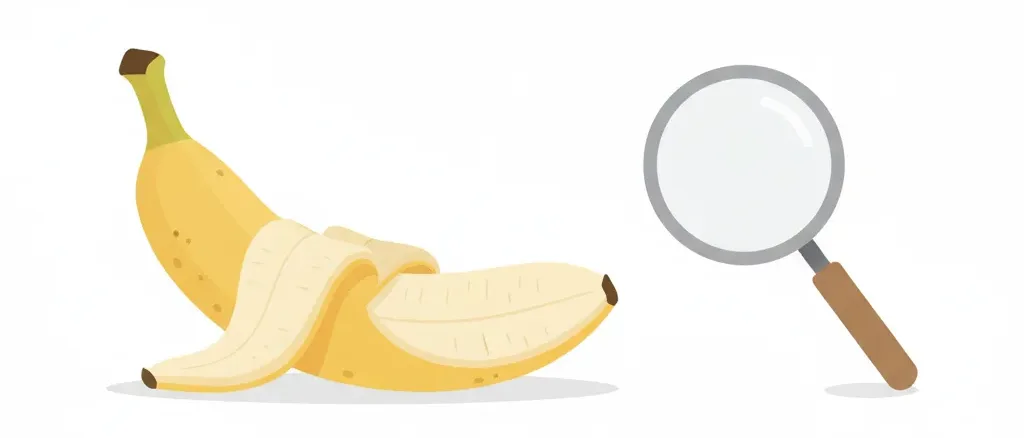
認知リスク
「バナナの中のブラジルドクシボグモ」の話は、タブロイド紙やソーシャルメディアの定番である。この恐怖には2つのバリエーションがある。スーパーマーケットのバナナの房に潜む致命的なクモと、果実そのものの先端に埋め込まれ、皮をむくと孵化するのを待っているクモの卵である。多くの人は予防策として各バナナの端を習慣的に切り落とす。Phoneutria属(ブラジルドクシボグモ)は地球上で最も毒性の強いクモの1つとして確固たる評判を持ち、2015年に熟れすぎたバナナからクモが飛び出すように見えるバイラル動画が恐怖を増幅させた。ただしその動画は後にCGIであると確認された。
概算: 店で購入したバナナで危険なクモに遭遇する確率は約0.1~1%
出典: 編集部の直感(調査に基づかない)
実際のリスク
88年間(1926~2014年)のバナナ貨物のクモ提出標本135件のうち、Phoneutria標本は約7件;バナナ関連の咬傷による死亡は世界中で0件
バナナおよび国際貨物から北米のクモ学者に提出されたクモの標本、1926~2014年(Vetter et al., 2014)
計算を表示
アメリカ人は年間で約30 billion本のバナナを消費している。88年間のデータセット全体(1926~2014年)で、Vetter et al. は北米に到達したバナナ貨物の中で7匹のPhoneutria標本を記録した。店で購入したバナナによる咬傷が固有分布域外で確認されたのは1件(英国、2005年。被害者は生存)。バナナ関連のクモの咬傷による死亡は、これまで世界中で1件も記録されていない。バナナ1本あたりPhoneutriaに遭遇する確率は、十億分の1をはるかに下回る。生涯で約5,400本(90本/年 × 60年)のバナナを食べる間に、本当に危険なクモに遭遇する確率は事実上ゼロに丸められる。私たちは生涯の数値として1e-7を割り当てており、これは消費される数十億本のバナナに対する「固有分布域外の記録史上で確認された非致死的な咬傷1件」を反映している。バナナの先端の内部にクモの卵があるという具体的な主張は生物学的に不可能である。果実の内部に卵を産むクモの種は存在せず、バナナの花は密封された管であり、食用バナナの品種は単為結果性(種なし、閉じた子房)である。バーク博物館が述べているように、「クモの卵がバナナに入り込む可能性は全くない」。
注意事項: Vetter et al. の135件の標本データセットは、輸入されたすべてのバナナの無作為抽出ではなく、同定のためにクモ学者に提出されたものを表している。これ…
Vetter et al. の135件の標本データセットは、輸入されたすべてのバナナの無作為抽出ではなく、同定のためにクモ学者に提出されたものを表している。これは珍しい、あるいは危険そうに見えるクモを過剰に反映しており(人々は小さな無害なクモを同定に出さない)、クモとの遭遇総数を過小評価している。しかし、この選択バイアスがPhoneutriaの件数を水増ししているにもかかわらず、135件中わずか7件だけが危険な属だった。スーパーマーケットのバナナの房で時折見つかるクモは、ほぼ常に無害なCupienniusやアシダカグモの種であり、タブロイド紙の記者によって「ブラジルドクシボグモ」と誤認される。店で購入したバナナによるPhoneutriaの咬傷が確認された1件(英国、2005年)は完全に回復した。「バナナの先端のクモの卵」という主張には生物学的なメカニズムがなく、クモ学者、昆虫学者、植物学者によって独立に否定されている。バナナの先端を切り落とすのは無害だが、存在しないリスクに対処している。
関連するリスク
似たテーマの他のリスク — 関連する不安を探るために。







比較対象を選択
北米へのバナナ貨物に含まれるクモを88年間にわたって分類してきたクモ学者による決定的な研究(Vetter et al., 2014)では、135匹の標本が収集された。そのうちこの恐怖の中心にあるブラジルドクシボグモ(Phoneutria)は正確に7匹だった。残りの大部分は無害で、Cupiennius(アカガオバナナグモ、タブロイド紙ではPhoneutriaと日常的に誤認される)やHeteropoda(汎熱帯アシダカグモ)であった。店で購入したバナナによるPhoneutriaの咬傷が固有分布域外で確認されたのは1件のみ(2005年、英国。被害者は完全に回復)。バナナに関連したクモの咬傷で死亡した人は、世界中どこにもいない。
「バナナの先端にクモの卵がある」というバリエーションは、単に可能性が低いだけではなく、生物学的に不可能である。果実の内部に卵を産むクモの種は存在しない。クモの卵嚢は外部の表面に付着させるものである。食用バナナの品種は単為結果性で、受粉なしに密封された花から果実が発達するため、何かが入り込む開口部は存在しない。バーク博物館のクモ類学芸員は、この主張を「クモの生物学にも植物学にも根拠のない完全な神話」と呼んでいる。2015年に熟れすぎたバナナからクモが出てくるように見えたバイラル動画は、制作者自身がCGIであると認めた。バナナの先端を切り落とすのは無害な習慣だが、存在しないメカニズムに対処しているにすぎない。
クモ自体もその評判ほど危険ではない。ブラジルにおけるPhoneutriaの咬傷422例の研究では、89.8%が局所的な痛みのみで全身症状は見られなかった。重度の中毒は4歳未満の小児にのみ発生し、その割合は0.5%であった。バナナの貨物に紛れ込む可能性が最も高い種(P. boliviensis)は、研究された種よりも毒性が低い。ブラジルでは年間約4,000件のPhoneutriaの咬傷が発生し、致死率は約**0.006%**であるが、それらの咬傷は家屋や庭で遭遇したクモによるもので、店で購入した果物からではない。
関連する豆知識
店で買ったバナナから危険なクモに噛まれる生涯確率は約0.00001%で、実質ゼロです。88年間の記録で、135件のバナナ貨物サンプルにPhoneutriaが7匹見つかり、バナナの咬傷に関連する死亡は世界で0件です。
根拠台帳
以下の各数値は各出典が報告した内容であり、引用した原文の抜粋と算出方法を記載しています。リンクをクリックして直接確認できます。
1/3 件の出典が引用元と一字一句一致することを独立して検証済み
-
[1] Journal of Medical Entomology (Vetter, Crawford, Buckle) — Spiders (Araneae) Found in Bananas and Other International Cargo Submitted to North American Arachnologists for Identification
Spiders (Araneae) Found in Bananas and Other International Cargo Submitted to North American Arachnologists for Identification- 統計値
135 spider specimens from banana/cargo submissions over 88 years; only 7 (5.2%) were Phoneutria; most were harmless Cupiennius or Heteropoda- 抜粋
“"We identified 135 spiders found in international cargo. A key for the most common species is provided. The most frequently submitted spiders were the pantropical huntsman spider, Heteropoda venatoria (L.) (Sparassidae), and the redfaced banana spider [Cupiennius]." (The specimen span of 1926-2014 is confirmed by PBS reporting on the study; the "7 (5.2%) Phoneutria" count is in the paywalled full text.) ”
- 出典データ
- 2014-11-01
- アクセス日
- 2026-04-25 · アーカイブ版
- 計算過程
- Vetter et al. is the definitive study on spiders in banana cargo. 135 specimens over 88 years means roughly 1.5 submissions per year to arachnologists across all of North America. Only 5.2% were the feared Phoneutria. The most common species found was Cupiennius chiapanensis (redfaced banana spider), which is frequently misidentified as Phoneutria by non-specialists and even some arachnologists. Heteropoda venatoria (pantropical huntsman) was the second most common -- also harmless. The study concluded that the danger from banana spiders is "greatly overstated."
-
[2] Burke Museum of Natural History and Culture (Rod Crawford, Curator of Arachnids) — Myth: Spider eggs are commonly found in bananas 検証済み
Myth: Spider eggs are commonly found in bananas- 統計値
No spider lays eggs in banana flowers; banana flowers are narrow tubes and consumer-variety fruit grows from the ovary without fertilization; there is no chance for spider eggs to get into a banana- 抜粋
“"None of these spiders lays its eggs in flowers. Flowers change so fast that they would be poor places for eggs. [...] As shown in the photo (above, center), banana flowers are narrow tubes. In consumer varieties, the fruit grows from the ovary deep inside without fertilization. There is simply no chance for spider eggs to get into a banana." ”
- 出典データ
- 2023-01-01
- アクセス日
- 2026-04-25 · アーカイブ版
- 検証
- グラウンディング監査の際、抜粋を引用元から独立して再取得し、原文と一字一句一致することを確認しました。
- 計算過程
- Rod Crawford (Burke Museum arachnid curator) maintains the most comprehensive spider myth debunking resource. His analysis covers both the biological impossibility of eggs inside fruit (no spider reproductive anatomy supports this) and the botanical impossibility (parthenocarpic bananas have sealed, unfertilized ovaries). Egg sacs found ON banana peels occasionally occur from hitchhiking spiders during transport, but these are external, visible, and almost always from harmless species.
-
[3] Revista do Instituto de Medicina Tropical de São Paulo — Phoneutria nigriventer (armed spider) envenomation: clinico-epidemiological study of 422 cases
Phoneutria nigriventer (armed spider) envenomation: clinico-epidemiological study of 422 cases- 統計値
Of 422 Phoneutria bite cases in Brazil: 89.8% mild (local pain only), 8.5% moderate, 0.5% severe (children only), 1 death (3-year-old child)- 抜粋
“"Of 422 patients bitten by Phoneutria spiders between 1984 and 1996, 89.8 percent presented with mild envenomation (local pain only). Moderate cases accounted for 8.5 percent and severe for 0.5 percent. Both severe cases were in children aged under 4 years. One death occurred in a 3-year-old child." ”
- 出典データ
- 2000-01-01
- アクセス日
- 2026-04-25 · アーカイブ版
- 計算過程
- This is the foundational clinical study of Phoneutria envenomation. The 89.8% mild-only rate demolishes the "world's most deadly spider" narrative. In this series of 422 bites, a single death occurred (a 3-year-old child), i.e. deaths are extremely rare even among treated envenomations. Severe envenomation occurs exclusively in young children. An adult bitten by Phoneutria overwhelmingly experiences intense local pain and nothing more. The species most likely to arrive in banana cargo (P. boliviensis) is less toxic than P. nigriventer studied here.