証拠の質 4.75/5
8次元のレビュー評価。基準は 品質ルーブリック 。各次元は1〜5で評価。
- D1 出典への根拠
- 5/5
- D2 出典の権威性
- 5/5
- D3 算術
- 4/5
- D4 不確実性
- 5/5
- D5 範囲
- 5/5
- D6 文章
- 5/5
- D7 認識の誠実性
- 4/5
- D8 注意事項の完全性
- 5/5
● あなたの要因 — このリスクをクリック ▾ して表示
- あなたの要因
認知リスク
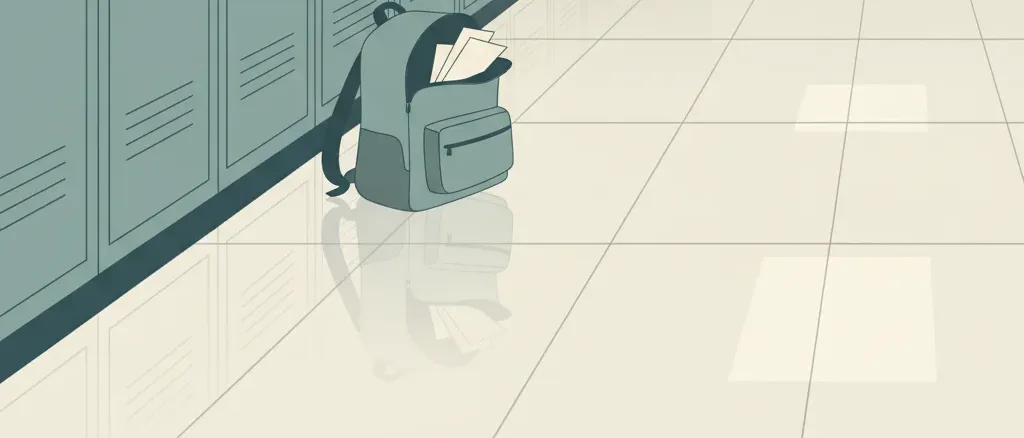
学校でのいじめに関する親の推定は、他のほぼどの子ども時代のリスクよりもばらつきます。ある親はそれをほぼ普遍的な通過儀礼として扱い、どの子も直面すると考えます。別の親は、自分の子どもの学校は基本的にいじめがないと信じています。メディア報道は、モラルパニック(どの学校も戦場だ)と安心(いじめ防止プログラムが解決した)の間を揺れ動きます。数字を求められると、ほとんどの成人は10%から50%のどこかを推測しますが、これはほとんど情報価値がないほど幅広い範囲です。安定した公共のアンカーがないため、これは異常にノイズの多い認識となっています。
概算: 直感的には、子どもの3分の1〜5分の1程度
出典: 編集部の直感(調査に基づかない)
実際のリスク
米国の12〜18歳の生徒の約19%が学校でいじめられたと報告(NCES 2022)
6〜12年生に在籍する米国の12〜18歳の生徒
計算を表示
NCES School Crime Supplement(2022)は、12〜18歳の生徒の19.2%が調査年に学校でいじめを経験したと報告している。CDC NCHS Data Brief 514(2024年10月)は、2021年7月から2023年12月までのNational Health Interview Surveyのデータを用いて、より高い数値を見出した:12〜17歳のティーンエイジャーの34.0%が過去12か月間にいじめられた。より保守的なNCESの年間発生率約19%を用い、7学年(6〜12年生)にわたって累積すると:1 - (1 - 0.19)^7 = 0.75。9〜12年生についてのYRBSの高校のみの発生率約19%と、6〜8年生についてのNCESの中学校の発生率約26%を用いると、加重累積は約0.72を与える。しかし、いじめのエピソードは年ごとに完全に独立しているわけではない — 一部の子どもは持続的に標的にされ、他の子どもは決して標的にされない。このクラスタリング効果(年間の相関)を下方調整して、中心推定値約0.65が用いられる。年間34%というNCHSの数値ははるかに高い生涯推定値(約0.95)をもたらすが、その調査はNCESの閾値を満たさないかもしれない言葉によるからかいを含む、より広い定義を用いている。
注意事項: 学校でのいじめの有病率推定は、19%(NCES SCS、厳格な行動基準)から34%(NCHS NHIS、より広い親/自己報告)、世界で32%(UNESCO、過去…
学校でのいじめの有病率推定は、19%(NCES SCS、厳格な行動基準)から34%(NCHS NHIS、より広い親/自己報告)、世界で32%(UNESCO、過去1か月)まで幅がある。この不一致は、定義の閾値、報告期間、そして調査が特定の行動について尋ねるか「いじめ」という言葉を用いるか(自己ラベル付けはより低い推定値を生む)によって引き起こされる。約65%という生涯累積は、年ごとの不完全な独立性を仮定している。いじめが慢性的に標的にされる子どものサブセットに高度に集中している場合、集団レベルの「いじめられたことがある」率は単純な累積が示すより低いかもしれないが、それらの子どもへの個人的な負担ははるかに大きい。この項目は対面でのいじめのみを扱う。サイバーいじめは別途追跡されている。深刻度は非常に大きく異なる — 19%には、単発の悪口の出来事から1学年を通じた持続的な身体的威圧まですべてが含まれる。2023 YRBSの15%から19%への増加は、長期的トレンドではなくパンデミック後の社会的再調整を反映している可能性があり、次の調査サイクルが確認または覆すまで慎重に解釈すべきである。
リスクはどう変わるか
見出しの数値は大きく異なる状況の平均です。シナリオや文脈による確率の違いは以下の通りです:
3.8分の1 · 26%
Peak bullying age; NCES SCS 2022 reports 26% for this group
6.3分の1 · 16%
NCES SCS 2022; YRBS 2023 reports 19% for a slightly different question
3.1分の1 · 32%
UNESCO 2019; includes physical and psychological bullying
バーの長さと濃淡は、これらのシナリオを他のリスクとではなく、互いに比較して順位付けしたものです。正確な確率は各項目の横に表示されています。
関連するリスク
似たテーマの他のリスク — 関連する不安を探るために。






比較対象を選択
米国で最も信頼できる推定値は、NCES School Crime Supplementによるものです。これは、『いじめ』という感情的な言葉に頼るのではなく、12歳から18歳の生徒に特定のいじめ行為について尋ねたものです。2021-22学年度には、**生徒の19%が学校でいじめられたと報告しています。内訳は、言葉による嫌がらせ(12%)、噂の拡散(10%)、身体的攻撃(5%)、意図的な仲間外れ(5%)、脅迫(4%)です。CDCの2023 Youth Risk Behavior Surveyは、高校生について独自に同じ19%という数値に達しました。一方、より広範なCDCの世帯調査(NCHS Data Brief 514, 2024)では、より包括的な定義を用いて、過去1年間に12歳から17歳の34%がいじめられたと報告しています。控えめな年間19%という割合を7学年にわたって累積すると、生涯でいじめに遭う確率は約65%**になります。これは、ほとんどの子どもが学校生活中に少なくとも一度は対面でのいじめに遭遇することを意味しますが、その多くは継続的な嫌がらせではなく、単発的な出来事です。
学校でのいじめは、親の直感がほぼ正反対の方向に分かれる数少ないリスクの一つです。自身がいじめられた経験のある親は、その発生率を過大評価し、ほぼ普遍的であると考えがちです。一方、紛争の少ない地域にある資源の豊富な学校に通う子どもを持つ親は、いじめはほとんど存在しないと考えがちです。どちらの直感にも一理あります。年間19-22%という割合は、いじめが実際に一般的である(30人のクラスでは、その年に約6人の生徒がいじめを経験した)と考えるには十分高いですが、特定の年に大多数の子どもが標的にならない程度には低いものです。分布も均一ではありません。中学生(26%)は高校生(16%)のほぼ2倍の割合でいじめに直面し、LGBTQ+の生徒は平均の1.6倍、発達障害のある生徒は1.4倍です。これらのサブグループ間の格差は、『いじめられる確率』が単一の数値ではなく、年齢、アイデンティティ、学校環境によって形成される分布であることを意味します。
健康への影響は十分に文書化されており、いじめが時に軽視されることとは不釣り合いなほど深刻です。NCHSは、いじめられたティーンエイジャーが不安やうつ病の症状を示す可能性がほぼ2倍であることを発見しました。縦断研究では、子どもの頃のいじめ被害が、成人期まで続く可能性のあるPTSD症状、社会的引きこもり、自殺念慮の増加と関連していることが示されています。2023 YRBSはまた、憂慮すべき逆転現象を指摘しています。長年の減少傾向の後、学校敷地内でのいじめの報告は2021年の15%から2023年には19%に増加しました。これは、生徒が対面授業に戻ったことによるパンデミック後の社会的な再調整を反映している可能性があります。この増加が一過性のものか、それともトレンドの逆転なのかは、次の調査サイクルまで明らかになりません。
関連する豆知識
根拠台帳
以下の各数値は各出典が報告した内容であり、引用した原文の抜粋と算出方法を記載しています。リンクをクリックして直接確認できます。
-
[1] National Center for Education Statistics (NCES), U.S. Department of Education — Student Reports of Bullying: Results From the 2022 School Crime Supplement to the National Crime Victimization Survey
Student Reports of Bullying: Results From the 2022 School Crime Supplement to the National Crime Victimization Survey- 統計値
About 19% of students ages 12-18 reported being bullied at school during the 2021-22 school year; 26% in middle school, 16% in high school- 抜粋
“"In 2021-22, about 19 percent of students ages 12-18 reported being bullied during school. The percentage was higher for female students than for male students (22 vs. 17 percent) and higher for middle school students (26 percent) than high school students (16 percent)." ”
- 出典データ
- 2024-02-01
- アクセス日
- 2026-04-19 · アーカイブ版
- 計算過程
- The School Crime Supplement (SCS) to the National Crime Victimization Survey is the gold-standard US measure. It surveys ~5,800 students ages 12-18 biennially. The 19% figure is the native estimate. Types of bullying: being made fun of, called names, or insulted (12%); subject of rumors (10%); pushed, shoved, tripped, or spit on (5%); excluded from activities on purpose (5%); threatened with harm (4%). Among those bullied, 32% experienced it on 1 day, 18% on 2 days, 31% on 3-10 days, and 18% on more than 10 days in the school year.
-
[2] National Center for Health Statistics, CDC — Bullying Victimization Among Teenagers: United States, July 2021-December 2023
Bullying Victimization Among Teenagers: United States, July 2021-December 2023- 統計値
34.0% of teenagers ages 12-17 were bullied in the past 12 months; 38.4% for ages 12-14, 29.7% for ages 15-17- 抜粋
“"During July 2021-December 2023, 34.0% of teenagers ages 12-17 were bullied in the past 12 months. The percentage was higher among younger teenagers ages 12-14 (38.4%) than among teenagers ages 15-17 (29.7%). Sexual or gender minority teenagers were more likely to be bullied (47.1%) than teenagers who are not a sexual or gender minority (30.0%)." ”
- 出典データ
- 2024-10-01
- アクセス日
- 2026-04-19 · アーカイブ版
- 計算過程
- NCHS Data Brief 514 uses National Health Interview Survey (NHIS) data pooled over 2.5 years. The 34% figure is substantially higher than the NCES 19% because the NHIS uses a broader definition of bullying (parent- or self-report, includes verbal teasing that may not meet the SCS behavioral threshold). The NHIS also captures younger teens (12-14) who have higher victimization rates. The subgroup figures are critical for the personal factor multipliers: girls 38.3% vs boys 29.9%, SGM teens 47.1% vs non-SGM 30.0%, teens with developmental disability 44.4% vs without 31.3%.
-
[3] Centers for Disease Control and Prevention (CDC) — Youth Risk Behavior Survey Data Summary & Trends Report 2013-2023
Youth Risk Behavior Survey Data Summary & Trends Report 2013-2023- 統計値
In 2023, 19% of US high school students reported being bullied on school property in the past year, up from 15% in 2021- 抜粋
“"The percentage of high school students who reported being bullied on school property was 19.0% in 2023, compared with 15.2% in 2021. Female students (22%) were more likely than male students (17%) to report being bullied at school." ”
- 出典データ
- 2024-06-01
- アクセス日
- 2026-04-19 · アーカイブ版
- 計算過程
- The YRBS is a biennial survey of ~17,000 high school students (grades 9-12). The 2023 figure of 19% aligns with the NCES SCS figure for the same age group. The increase from 15% in 2021 is notable and may reflect post-pandemic social adjustment. YRBS also reports that 29% of LGB students were bullied at school, compared to approximately 17% of heterosexual students (roughly 1.7x multiplier). This source corroborates the NCES data and provides the trend context.
- 独立性
- YRBS and SCS are independently administered surveys with different sampling frames; convergence on ~19% for high schoolers strengthens confidence in the native estimate.
-
[4] UNESCO — Behind the Numbers: Ending School Violence and Bullying
Behind the Numbers: Ending School Violence and Bullying- 統計値
Almost 1 in 3 students (32%) worldwide has been bullied by peers at school at least once in the last month- 抜粋
“"Almost one in three students (32%) has been bullied by their peers at school at least once in the last month and a similar proportion are affected by physical violence. Bullying has decreased in almost half of the 71 countries and territories studied." ”
- 出典データ
- 2019-01-01
- アクセス日
- 2026-04-19 · アーカイブ版
- 計算過程
- UNESCO's global figure of 32% (past month) is substantially higher than the US annual figures because it includes countries with less developed anti-bullying infrastructure and uses a past-month reporting window. This source provides the global context and establishes that US rates, while concerning, are below the global average. Physical bullying is more common outside North America and Europe, where psychological bullying predominates.
- 独立性
- UNESCO draws on HBSC, GSHS, PIRLS, and TIMSS data — survey instruments independent from US-administered NCES SCS and CDC YRBS.