証拠の質 4.63/5
8次元のレビュー評価。基準は 品質ルーブリック 。各次元は1〜5で評価。
- D1 出典への根拠
- 5/5
- D2 出典の権威性
- 5/5
- D3 算術
- 5/5
- D4 不確実性
- 4/5
- D5 範囲
- 5/5
- D6 文章
- 5/5
- D7 認識の誠実性
- 4/5
- D8 注意事項の完全性
- 4/5
● あなたの要因 — このリスクをクリック ▾ して表示
- あなたの要因
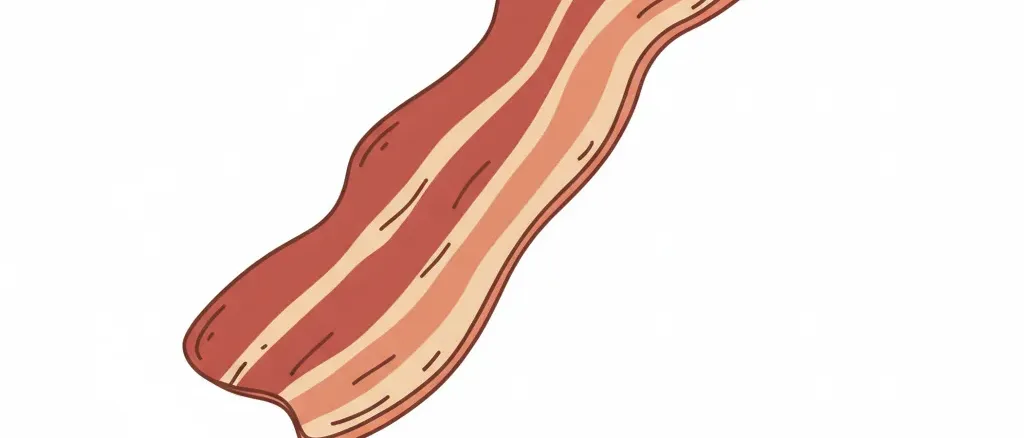
認知リスク
WHOが2015年に加工肉を「Group 1発がん物質」——タバコの喫煙やアスベストと同じカテゴリー——であると発表したことは、広範な警戒を引き起こしました。多くの人はこれを、毎日のベーコンサンドイッチがタバコ1箱とほぼ同じくらい危険であることを意味すると解釈しました。見出しがそのフレーミングを増幅させ、調査では消費者が適度な肉摂取による絶対的ながんリスクを1桁以上過大評価していることが一貫して示されています。
概算: 米国成人の47%が、食品中の発がん性化学物質を食品安全上の上位3つの懸念に挙げている
実際のリスク
加工肉50 g/日あたりRR 1.18
加工肉を毎日摂取する成人
計算を表示
米国のベースライン生涯大腸がんリスクは約4.1%(およそ24分の1)です。ベースラインの4.1%という米国生涯CRCリスクはSEER Cancer Stat Facts: Colorectal Cancer(NCI、seer.cancer.gov)に基づきます。加工肉を毎日50 g摂取した場合のIARC由来のRR 1.18を適用すると、4.1% × 1.18 = 約4.8%となります。これは約0.7パーセントポイントの絶対的な増加です。この相対リスク推定値はIARCの2015年の評価に由来し、Farvidら2021年のメタアナリシス(赤肉と加工肉を合わせた最高摂取群対最低摂取群でRR 1.17、95% CI 1.08-1.26)と一致しています。
注意事項: 18%という数字は絶対リスクではなく相対リスクです。これは全死因死亡ではなく、特に大腸がんに適用されます。個人のリスクは遺伝、食物繊維の摂取、身体活動、アルコー…
18%という数字は絶対リスクではなく相対リスクです。これは全死因死亡ではなく、特に大腸がんに適用されます。個人のリスクは遺伝、食物繊維の摂取、身体活動、アルコール使用、その他の因子によって異なります。IARCのGroup 1分類は、加工肉がCRCを引き起こすというエビデンスが強力であることを意味します——リスクの大きさがタバコに匹敵することを意味するものではありません(タバコは肺がんに対して約25倍の相対リスクを持つのに対し、加工肉によるCRCは1.18倍です)。
リスクはどう変わるか
見出しの数値は大きく異なる状況の平均です。シナリオや文脈による確率の違いは以下の通りです:
21分の1 · 4.8%
baseline 4.1% × RR 1.18 ≈ 4.8% lifetime diagnosis
29分の1 · 3.5%
baseline 4.1% × RR 0.85 ≈ 3.5% lifetime diagnosis
40分の1 · 2.5%
GLOBOCAN: historically lower CRC incidence in Asia, but converging toward Western rates as processed-meat consumption rises
バーの長さと濃淡は、これらのシナリオを他のリスクとではなく、互いに比較して順位付けしたものです。正確な確率は各項目の横に表示されています。
関連するリスク
似たテーマの他のリスク — 関連する不安を探るために。







比較対象を選択
恐怖の大半を生んでいるのは「Group 1発がん物質」というラベルです。IARCが2015年に加工肉をタバコやアスベストと同じカテゴリーに分類した際、その分類はエビデンスの確実性についてのものであり、危険の大きさについてのものではありませんでした。喫煙は肺がんリスクを約23倍に引き上げます。加工肉を毎日50 g食べると、大腸がんリスクは約1.18倍上昇します——実在する効果ではありますが、同じ次元の害ではありません。
具体的な数値で言えば、平均的なアメリカ人の大腸がん生涯リスクは約4.1%(約24人に1人)です。何十年にもわたって毎日50 gの加工肉を食べ続けた場合、これが約**4.8%**に上昇します。絶対的な増加は約0.7パーセントポイントです。Farvid et al.の2021年の前向き研究のメタアナリシスでは、赤肉と加工肉の合計で、最高摂取群と最低摂取群を比較したRRが1.17(95% CI 1.08-1.26)と密接に一致する数値が報告されています。
これはリスクがゼロであるとか、管理する価値がないということではありません。認知されたリスク(「喫煙と同じカテゴリー」というフレーミングに煽られた)と実際の絶対リスクとの間のギャップが巨大であるということです。ほとんどの人にとって、がん予防のためのより重要な食事上のレバーは、健康的な体重の維持、十分な食物繊維の摂取、アルコールの適度な制限であり、火曜日の昼食にハムが数枚入っていたかどうかを悩むことではありません。
関連する豆知識
加工肉を毎日食べると生涯の大腸がんリスクは約4.8%まで上がり、約4.1%のベースラインに対して50g/日あたりの相対リスクは1.18です。相対リスクは実在しますが、絶対的な変化は小さく、「肉ががんを起こす」という見出しが示すよりはるかに小さいものです。
根拠台帳
以下の各数値は各出典が報告した内容であり、引用した原文の抜粋と算出方法を記載しています。リンクをクリックして直接確認できます。
2/4 件の出典が引用元と一字一句一致することを独立して検証済み
-
[1] World Health Organization / IARC — Cancer: Carcinogenicity of the consumption of red meat and processed meat 検証済み
Cancer: Carcinogenicity of the consumption of red meat and processed meat- 統計値
Every 50 g portion of processed meat eaten daily increases colorectal cancer risk by about 18% (RR 1.18)- 抜粋
“"Every 50 gram portion of processed meat eaten daily increases the risk of colorectal cancer by about 18%." ”
- 出典データ
- 2015-10-26
- アクセス日
- 2026-04-11 · アーカイブ版
- 検証
- グラウンディング監査の際、抜粋を引用元から独立して再取得し、原文と一字一句一致することを確認しました。
- 計算過程
- The 18% figure is a relative risk increase (RR 1.18). Applied to the US baseline lifetime CRC risk of ~4.1% (SEER data): 4.1% x 1.18 = 4.84%, rounded to ~4.8%. Absolute increase is ~0.7 percentage points. The WHO page explicitly notes that Group 1 classification reflects strength of evidence, not magnitude of risk.
- 独立性
- IARC's evaluation synthesized multiple cohort studies and meta-analyses; the Farvid 2021 meta-analysis below partially overlaps in source studies but uses independent methodology and inclusion criteria.
-
[2] European Journal of Epidemiology (Farvid et al.) — Consumption of red meat and processed meat and cancer incidence: a systematic review and meta-analysis of prospective studies 検証済み
Consumption of red meat and processed meat and cancer incidence: a systematic review and meta-analysis of prospective studies- 統計値
Red and processed meat combined: RR 1.17 (95% CI 1.08-1.26) for colorectal cancer, highest vs lowest consumption- 抜粋
“"Red meat consumption was significantly associated with greater risk of colorectal cancer (RR = 1.10; 95% CI = 1.03-1.17)." Combined red and processed meat: "colorectal cancer (RR = 1.17; 95% CI = 1.08-1.26)." ”
- 出典データ
- 2021-08-29
- アクセス日
- 2026-04-11 · アーカイブ版
- 検証
- グラウンディング監査の際、抜粋を引用元から独立して再取得し、原文と一字一句一致することを確認しました。
- 計算過程
- Farvid et al. report highest-vs-lowest consumption category comparisons across prospective cohort studies. The RR of 1.17 for combined meat is consistent with the IARC 1.18 per-50g figure. Both confirm that the relative risk is modest -- nothing close to the 20-25x RR of smoking for lung cancer.
- 独立性
- This meta-analysis was published six years after the IARC evaluation and includes additional prospective studies not available to the 2015 working group.
-
[3] The Lancet Oncology / IARC Working Group — Carcinogenicity of consumption of red and processed meat
Carcinogenicity of consumption of red and processed meat- 統計値
IARC Working Group: processed meat classified Group 1 (carcinogenic to humans); red meat Group 2A (probably carcinogenic). Meta-analysis of 10 cohort studies: +18% colorectal cancer risk per 50g processed meat daily; 7 cohort studies: +17% risk per 100g red meat daily.- 抜粋
“"On the basis of the large amount of data and the consistent associations of colorectal cancer with consumption of processed meat across studies in different populations, which make chance, bias, and confounding unlikely as explanations, a majority of the Working Group concluded that there is sufficient evidence in human beings for the carcinogenicity of the consumption of processed meat." ”
- 出典データ
- 2015-10-26
- アクセス日
- 2026-04-16 · アーカイブ版
- 計算過程
- The Bouvard/IARC Working Group paper is the authoritative peer-reviewed source behind the Group 1/2A classifications. The pooled relative risk of 1.18 per 50g/day processed meat consumption is the figure used for the native relative-risk encoding in this entry. Serves as the primary evidence basis rather than the Farvid meta-analysis (which extends the IARC analysis with more recent cohorts).
- 独立性
- Bouvard/IARC synthesized 10 cohort studies for processed meat and 7 for red meat; Farvid 2021 includes many of the same cohorts but extends with additional follow-up and newer studies (EPIC, NHS II). Partial overlap in the underlying cohort data but methodologically distinct pooled analyses.
-
[4] US Centers for Disease Control and Prevention — Health Effects of Cigarettes: Cancer
Health Effects of Cigarettes: Cancer- 統計値
People who smoke increase their risk of developing lung cancer by about 25 times that of people who don't smoke- 抜粋
“"People who smoke increase their risk of developing lung cancer by about 25 times that of people who don't smoke." ”
- 出典データ
- 2024-09-17
- アクセス日
- 2026-07-03 · アーカイブ版
- 計算過程
- Grounds the body text's and caveats' contrast between tobacco's large relative-risk effect on lung cancer and processed meat's much smaller RR 1.18 effect on colorectal cancer. Not used in this entry's own CRC probability calculation, which rests on the IARC/WHO and Farvid sources above; cited solely to support the smoking-magnitude comparison.
- 独立性
- CDC's tobacco control program page is independent of the IARC, WHO, and Farvid et al. sources used for this entry's own red/processed-meat relative-risk figures.