証拠の質 4.75/5
8次元のレビュー評価。基準は 品質ルーブリック 。各次元は1〜5で評価。
- D1 出典への根拠
- 5/5
- D2 出典の権威性
- 5/5
- D3 算術
- 5/5
- D4 不確実性
- 4/5
- D5 範囲
- 5/5
- D6 文章
- 5/5
- D7 認識の誠実性
- 4/5
- D8 注意事項の完全性
- 5/5
● あなたの要因 — このリスクをクリック ▾ して表示
- あなたの要因
≈ 同じくらいの確率
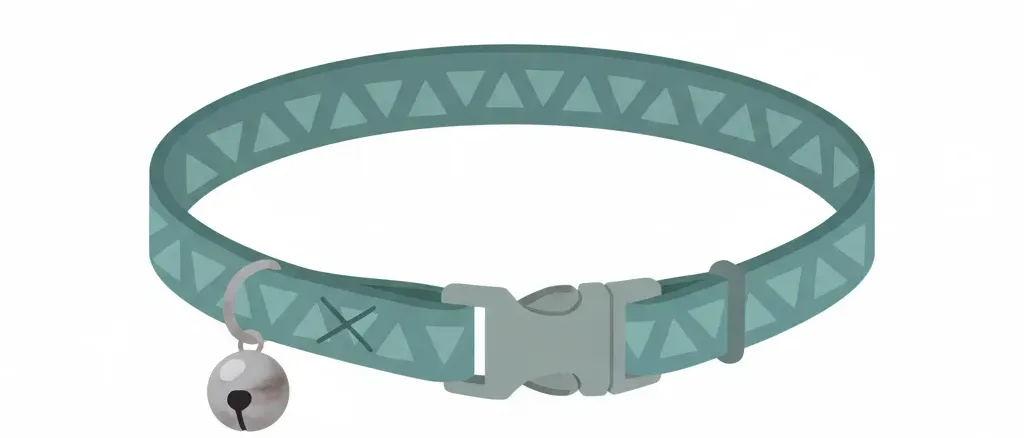
認知リスク
首輪への不安は、猫の飼育において目立たないながらも根強い恐れの一つである。オンラインのフォーラムには、フェンスに首輪が引っかかってぶら下がった状態で見つかった猫、伸縮バンドの下に脚が挟まった猫、首輪がずれてから数週間後に発見された深い腋窩の傷といった話があふれている。獣医学団体はブレイクアウェイ首輪を一様に推奨しており、それが、ブレイクアウェイでない首輪は時限爆弾だという印象を強めている。多くの飼い主はリスクを受け入れるくらいならと首輪自体を省き、迷子になった猫が家に帰る助けとなる身元表示の利点さえ手放している。
概算: 猫の生涯で約5-15%の確率
出典: 編集部の直感(調査に基づかない)
実際のリスク
首輪を着用している猫の約4%が生涯で首輪関連の怪我を経験し、約0.6%が死亡する
中央ヨーロッパの首輪を着用している飼い猫(Arhant et al., 2022, n > 5,000)
計算を表示
Arhant et al.(2022)は中央ヨーロッパの猫の飼い主5,000人超を調査し、首輪を着用している猫の4%が生涯のどこかで首輪関連の怪我を経験し、0.6%が首輪の事故で死亡したことを明らかにした。これは年間ではなく生涯累積のリスクである。年間リスクははるかに低い。Paulino & Williams(2023)のレビューで再掲された Brinkley(2007)は、4年間で約15,000件の猫の症例のうち26件の慢性腋窩(首輪巻き込み)創傷(受診例の約0.17%)を報告しており、猫1頭あたりの年間発生率は0.04%程度と示唆される。Calver et al.(2013)はオーストラリアの獣医師107名を調査し、合計1,500診療年超で686件の首輪事故と死亡1件のみが報告された。本エントリでは、入手可能な最大規模の調査による4%の生涯怪我率を主たる推定値として用いる。0.6%の死亡率は文脈として含めるが、見出しの数字はすべての深刻な転帰を捉えている。欧米諸国で日常的に首輪を着用している飼い猫は約20-30%にすぎないため、(首輪の有無を問わない)猫全体での集団レベルのリスクはおおよそ 4% x 0.25 = 約1% となる。Calver の研究ではブレイクアウェイ首輪による怪我はゼロだった一方、伸縮性首輪は事故の39%、固定バックル首輪は18%を占めた。
注意事項: Arhant et al.(2022)による4%という生涯怪我率は、すべての首輪タイプを合算したものである。現在獣医学団体が一様に推奨しているブレイクアウェイ首…
Arhant et al.(2022)による4%という生涯怪我率は、すべての首輪タイプを合算したものである。現在獣医学団体が一様に推奨しているブレイクアウェイ首輪は、首輪タイプ別に層別化した唯一の研究(Calver et al. 2013)で関連する怪我がゼロだった。現代のブレイクアウェイ首輪を着用している猫の実際の怪我率は、4%を大きく下回る可能性が高い。逆に、屋外で首輪による絞扼で死亡した猫は発見も報告もされないことがあるため、データは首輪による死亡を過小に数えている可能性がある。Arhant の調査は中央ヨーロッパのものであり、米国の猫の飼育慣行に完全には一般化できないかもしれない。首輪を着用している飼い猫は20-30%にすぎないため、集団レベルのリスクはさらに薄まる。首輪の技術は Brinkley(2007)と Calver(2013)の研究以降改良されており、現在のブレイクアウェイ設計は以前のものより信頼性が高い。
関連するリスク
似たテーマの他のリスク — 関連する不安を探るために。







比較対象を選択
このテーマに関する最大規模の調査——中央ヨーロッパの猫飼い主5,000人以上を対象としたArhant et al.(2022)——によると、**首輪を着用している猫の4%**が生涯で首輪関連の怪我を経験し、0.6%が死亡していた。この数字は一見深刻に思えるが、同じ研究のもう一つのデータと比較すると印象が変わる。車にはねられた猫の70.5%が死亡しているのだ。首輪のリスクは実在するが、首輪が(迷子札を通じて)軽減するよう設計されている屋外の危険とはまったく異なる桁数に位置している。
データが本当に興味深くなるのは首輪の種類別の内訳である。オーストラリアの獣医師107名を対象とした調査(Calver et al., 2013)では、合計1,500年以上の診療経験にわたって686件の首輪関連事故が記録され、セーフティバックル(ブレイクアウェイ)首輪による怪我はゼロだった。伸縮性のある首輪——多くの飼い主が「安全」だと思い込んでいるストレッチバンド型——は事故の39%を占め、そのほとんどがグルーミング中に前脚がバンドの下に滑り込んで深く治りにくい腋窩の傷を生じる四肢巻き込み事故だった。固定バックル首輪は事故の18%を占め、主にフェンスや枝での絞扼が原因だった。
実際的な結論として、4%という見出しの数字は、獣医学団体が現在明確に警告しているものを含む全種類の首輪の歴史的平均である。現代のブレイクアウェイ首輪を着用している猫が直面するリスクは、入手可能なデータではゼロと区別できないレベルである。多くの飼い主が首輪自体をまったくつけないほど根強い残存する不安は、それ自体がコストを伴う可能性がある。身元を示すものがない迷い猫が飼い主のもとに戻る確率ははるかに低く、Weiss et al.(2012)のASPCA調査では迷い猫のうち帰宅できたのはわずか75%だった。
関連する豆知識
首輪をつけた猫の約 ~4% が生涯に首輪関連のけがを負い、0.6% がそれで死亡する。飼い主の直感はおおむね ~5-15% に落ち着く。ある研究では、外れやすいセーフティ首輪はけがゼロと結びついた。
根拠台帳
以下の各数値は各出典が報告した内容であり、引用した原文の抜粋と算出方法を記載しています。リンクをクリックして直接確認できます。
2/4 件の出典が引用元と一字一句一致することを独立して検証済み
-
[1] Journal of Veterinary Behavior (Arhant, Lesch, Heizmann et al.) — Risks associated with free-roaming and collar use in cats
Risks associated with free-roaming and collar use in cats- 統計値
4% of collar-wearing cats experienced a collar-related injury; 0.6% died from a collar incident; collar death risk was considerably lower than traffic accidents (70.5% fatality rate for cats hit by cars)- 抜粋
“"Among cats that wore collars, 4% experienced a collar-related injury and 0.6% died from a collar incident. The risk of collar-related death was considerably lower than the risk from traffic accidents or animal-inflicted injuries." ”
- 出典データ
- 2022-09-01
- アクセス日
- 2026-04-23 · アーカイブ版
- 計算過程
- Arhant et al. surveyed over 5,000 cat owners in Central Europe (Austria, Germany, Switzerland). The 4% injury rate and 0.6% death rate are cumulative lifetime figures for collar-wearing cats. This is the largest survey to date on collar safety outcomes. The study also found that collar-related risks were dwarfed by other outdoor hazards (traffic, predation), providing important context for risk calibration.
-
[2] Animal Welfare (Calver, Adams, Clark & Pollock) — Assessing the safety of collars used to attach predation deterrent devices and ID tags to pet cats
Assessing the safety of collars used to attach predation deterrent devices and ID tags to pet cats- 統計値
686 collar incidents and 1 death reported by 107 Australian veterinarians across 1,500+ practice-years; zero injuries from breakaway collars; 39% of incidents from elasticated collars- 抜粋
“"Across 107 veterinary respondents with a combined 1,500+ practice-years of experience, 686 collar safety incidents were reported with only one fatality. No injuries were associated with snap-release (breakaway) buckle collars. Elastic collars accounted for 39% of incidents and fixed-buckle collars for 18%." ”
- 出典データ
- 2013-02-01
- アクセス日
- 2026-04-23 · アーカイブ版
- 計算過程
- Calver et al. surveyed 107 vets in Western Australia. Each vet saw roughly one non-fatal collar incident every 2.3 years. The zero-injury finding for breakaway collars is the strongest evidence that collar type is the dominant risk variable. 686 incidents / 1,500 practice-years = ~0.46 incidents per vet per year. Given that a typical small-animal vet sees hundreds of cats annually, the per-cat annual incidence is very low -- consistent with Brinkley's 0.17% of all cases.
-
[3] Journal of Feline Medicine and Surgery (Paulino & Williams) — Chronic axillary wounds in cats: what do we know and how should we manage them? 検証済み
Chronic axillary wounds in cats: what do we know and how should we manage them?- 統計値
Feline chronic non-healing axillary (collar-entrapment) wounds are uncommon: 26 cases out of 15,000 cats seen over a 4-year period (~0.17%) in one case series (Brinkley 2007)- 抜粋
“"Feline chronic non-healing axillary wounds are uncommon in small animal practice, with 26 cases out of 15,000 cats seen over a 4-year period being reported in one case series." ”
- 出典データ
- 2023-04-01
- アクセス日
- 2026-06-30 · アーカイブ版
- 検証
- グラウンディング監査の際、抜粋を引用元から独立して再取得し、原文と一字一句一致することを確認しました。
- 計算過程
- This 2023 peer-reviewed review (Paulino & Williams, J Feline Med Surg) restates the prevalence figure originally reported by Brinkley (2007, J Small Anim Pract 48:111-115, cited as ref 3): 26 chronic axillary wounds out of ~15,000 cat cases over a 4-year period, i.e. ~0.17% of presentations, or roughly 0.04% per cat per year. Axillary wounds are forelimb-entrapment injuries from neck collars. This figure captures only cases serious enough to present to a vet and does not include minor incidents resolved at home.
-
[4] Animals (Basel) / PMC (Weiss, Slater & Lord) — Frequency of Lost Dogs and Cats in the United States and the Methods Used to Locate Them 検証済み
Frequency of Lost Dogs and Cats in the United States and the Methods Used to Locate ThemSee all 2 Likelier entries citing this source →
- 統計値
In an ASPCA-conducted national random-digit-dial survey of 1,015 pet-owning households (506 cat owners), 75% (95% CI: 64-85%) of lost cats were recovered, versus 93% of lost dogs; most recovered cats returned home on their own- 抜粋
“"75% (95% CI: 64-85%) of cats were recovered." ”
- 出典データ
- 2012-06-01
- アクセス日
- 2026-07-03 · アーカイブ版
- 検証
- グラウンディング監査の際、抜粋を引用元から独立して再取得し、原文と一字一句一致することを確認しました。
- 計算過程
- Weiss, Slater & Lord surveyed 1,015 US households by random-digit-dial telephone (Sept-Nov 2010) about pets lost in the prior five years; 506 respondents were cat owners. The 75% cat-recovery rate is markedly lower than the 93% dog-recovery rate, and most recovered cats returned home on their own rather than via active search. Used here to support the entry's closing point that forgoing a collar (and its ID tag) trades a small, largely breakaway-collar-mitigable injury risk for a real cost if the cat is ever lost.
- 独立性
- Independent of the veterinary-incident sources (Arhant, Calver, Paulino & Williams) used for the collar-injury statistics; this source addresses only the identification/return-rate argument in the closing paragraph.