証拠の質 4.63/5
8次元のレビュー評価。基準は 品質ルーブリック 。各次元は1〜5で評価。
- D1 出典への根拠
- 5/5
- D2 出典の権威性
- 5/5
- D3 算術
- 4/5
- D4 不確実性
- 4/5
- D5 範囲
- 5/5
- D6 文章
- 4/5
- D7 認識の誠実性
- 5/5
- D8 注意事項の完全性
- 5/5
● あなたの要因 — このリスクをクリック ▾ して表示
- あなたの要因
≈ 同じくらいの確率
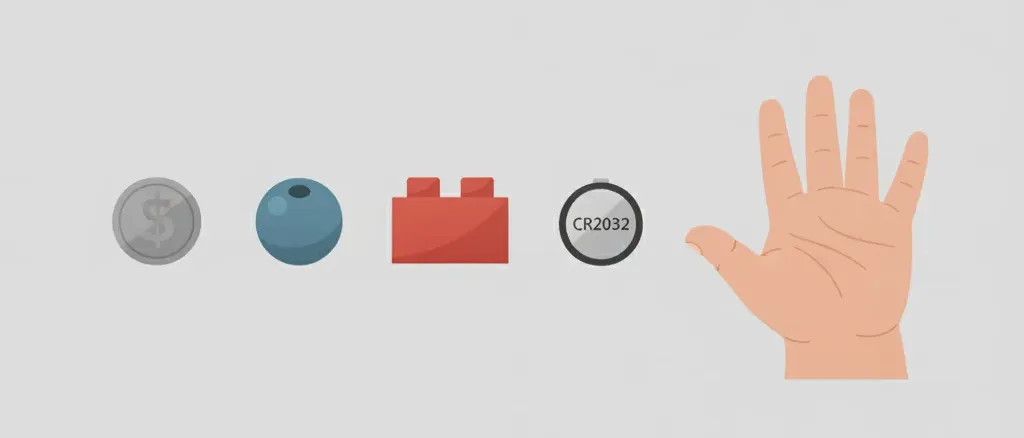
認知リスク
物を飲み込むのは幼児のすることだ。生後六か月から三歳ごろまでは何でも口に入れることを、親も知っている。この事実が生む恐怖は、同時に二つの方向に偏っている。害の軸では過大評価されている:飲み込まれた硬貨やビーズは急を要する緊急事態、慌てて救急外来へ車を走らせるべき事態のように感じられるが、実際には飲み込まれた物の大多数は自然に排出される。頻度の軸では過小評価されている:医療機関を受診する誤飲が、幼稚園に上がる前におよそ九十人に一人の子供を救急外来へ送り込むほどありふれていると推測できる親はほとんどいない。
概算: 飲み込まれた物は緊急事態になりそうに感じられる一方、それがどれほど日常的に子供を救急外来へ送り込んでいるかは、ほとんどの親が低く見積もる
出典: 編集部の直感(調査に基づかない)
実際のリスク
6歳未満の子供の異物誤飲による米国の救急外来受診は年間~43,000件(≈118件/日、2015年)
6歳未満の米国の子供、救急外来で治療された異物誤飲(NEISS、全物体タイプ)
計算を表示
Likelierは通常、米国成人の生涯確率を報告するが、この項目はボタン電池や幼児窒息の項目と同様に、米国の子供一人あたりの、リスクがピークとなる幼児期の期間(6歳未満)を対象としている。Orsagh-Yentis et al.(Pediatrics 2019)はCPSCのNational Electronic Injury Surveillance Systemを分析し、1995-2015年に六歳未満の米国の子供約759,000人が異物誤飲で救急外来で治療を受け、2015年にはおよそ43,000件に上昇したと推定した。これは六歳未満の子供10,000人あたり年間約18件の率である。六年間の期間で複利計算すると、1 - (1 - 1.8e-3)^6 ≈ 0.011、すなわち子供一人あたりおよそ90分の1。これは医療機関を受診した誤飲のみを数えている:飲み込まれて家庭で気づかれずに排出される物の真の数は必然的にこれより多く測定不能である一方、致死的または外科的転帰ははるかに稀である(regional_breakdownを参照)。この数字はすべての物体タイプにまたがる。危険な物体のサブセット(ボタン電池、複数の磁石、鋭利な物)はそれぞれ独自の項目を持ち、はるかに低いが重症度の高い独自の率を持つ。
注意事項: 90分の1という見出しは医療機関受診率、すなわち飲み込んだ物のために救急外来へ連れて行かれた子供の率であり、何かを飲み込むこと自体の確率ではない。幼児が口に入れ…
90分の1という見出しは医療機関受診率、すなわち飲み込んだ物のために救急外来へ連れて行かれた子供の率であり、何かを飲み込むこと自体の確率ではない。幼児が口に入れる物の大半は、そもそも飲み込まれないか、気づかれずに排出され、そうした出来事は測定不能である。よく引用される米国の年間~1,500件の異物による死亡(AAFP)は全年齢を対象とし、気道閉塞(窒息)が大半を占めるものであって、飲み込んだ物を消化管から排出する幼児のものではない。(吸引ではなく)摂取された物による小児の死亡は稀で、ボタン電池、複数の磁石、鋭利な物のサブセットに集中しており、それぞれが独自の項目を持つ。自然排出 / 内視鏡 / 手術の80-90% / 10-20% / ~1%という内訳は、レビュー文献全体で繰り返し述べられる単一の標準的な臨床数値であり、三つの独立した測定ではない。「そのうち出てくる」という安心は、飲み込まれた硬貨、ビーズ、滑らかな小石など、すでに胃に達した鈍い物に当てはまる。鋭利な物や先のとがった物は15-35%の症例で穿孔を起こし、胃ではなく食道に引っかかった物は、それが何であれ速やかな摘出を必要とする。
リスクはどう変わるか
見出しの数値は大きく異なる状況の平均です。シナリオや文脈による確率の違いは以下の通りです:
91分の1 · 1.1%
~18 ED visits per 10,000 under-six children per year (Orsagh-Yentis, 2015), compounded across the six-year window. This is the medically-attended rate, not the chance of ever swallowing anything — most mouthed objects pass unnoticed and are never counted.
10分の1 · 10%
Just over 10% of children evaluated for a swallowed object were admitted (Orsagh-Yentis). Most of the rest were observed, X-rayed, and discharged.
6.7分の1 · 15%
10-20% of ingested foreign bodies are retrieved endoscopically (AAFP, Lee), typically because the object lodged in the esophagus or is high-risk (battery, sharp). The midpoint ~15% is used here.
100分の1 · 1.0%
About 1% of ingested foreign bodies require open surgery (AAFP, Lee) — perforation, obstruction, or magnet/battery injury. The overwhelming majority never reach this stage.
バーの長さと濃淡は、これらのシナリオを他のリスクとではなく、互いに比較して順位付けしたものです。正確な確率は各項目の横に表示されています。
関連するリスク
似たテーマの他のリスク — 関連する不安を探るために。


比較対象を選択
物を飲み込むのは幼児がすることだ。生後六か月から三歳ごろまでは何でも口に入れる。それが小さな子どもの世界の捉え方だからである。口に入れたものの大半はそのまま戻ってくるが、一部は飲み込まれ、そのさらに一部が救急外来にたどり着く。米国の調査データはこの最後の数を、多くの親が思うよりも高く見積もっている。1995-2015年の間に推定759,000人の六歳未満の子どもが異物の誤飲で治療を受け、年間件数は2015年までにほぼ倍増して約43,000件に達した——およそ十二分に一人の子どもである。幼稚園に上がるまでの六年間で積み上げると、おおむね90人に1人にあたる。硬貨が全体の62%を占め、おもちゃ、装身具、電池をはるかに上回る。
恐怖と実際の結果との隔たりは大きい。異物が喉を通過して胃に達すれば、80~90%は数日のうちに自然に排出される。内視鏡で摘出されるのはおよそ10~20%、手術が必要なのは約1%だ。誤飲が確認された子どもの半数はまったく無症状である。通常の救急外来の受診はレントゲン撮影と経過観察であり、入院に至るのは十人に一人をわずかに超える程度にすぎない。胃の中にとどまった鈍い物は、大多数の場合、切る問題ではなく待つ問題である。
このテーマを本当に危険にしているのは、「そのうち出てくる」という法則を破る短い物のリストだ。ボタン電池やコイン型電池は約二時間で食道を焼き抜くことがある。強力な磁石を二つ以上、別々に飲み込むと、その間に腸壁を挟み込み、穿孔を引き起こす。鋭利な物や先のとがった物は15~35%の割合で穿孔を起こし、胃ではなく食道に引っかかった物は、それが何であれ速やかな摘出を要する。これらが時間との勝負になる症例であり、異物誤飲の連絡が電話口で軽く流されることが決してない理由でもある。米国で年間約1,500件とされる異物による死亡は全年齢を対象としたもので、その大半は気道の窒息であって、硬貨を排出する幼児ではない。子どもが異物を飲み込んで死亡する例はまれで、そのほぼすべてが電池、磁石、鋭利物のいずれかの区分に集中している。
最も強く効くつまみは年齢だ。リスクは三つのことの重なりに連動する。硬貨をつまみ上げられるピンセットつまみ、硬貨に手が届く運動能力、そして硬貨が食べ物ではないという感覚がまったくないことである。この窓は生後六か月ごろに開き、一歳から二歳でピークを迎え、子どもが反射的に物を口に入れなくなる就学前の数年をかけて狭まっていく。生後六か月未満では運動能力がまだ備わっていないため発生率は低い。年長側での例外は、発達の遅れ、自閉症、異食症のある子どもで、口腔探索期が長引く。彼らは反復誤飲や複数異物の誤飲に不釣り合いな割合を占め、受診が遅れる傾向があり、それこそが通常の異物誤飲を手術を要するものへ変えてしまうのである。
関連する豆知識
米国では約90人に1人の子どもが六歳までに異物誤飲で救急を受診する——たいていは硬貨で、80~90%は自然に排出される。「そのうち出てくる」の法則を破る例外は、数時間で焼き抜くボタン電池と、腸壁を挟み込む複数の磁石である。
根拠台帳
以下の各数値は各出典が報告した内容であり、引用した原文の抜粋と算出方法を記載しています。リンクをクリックして直接確認できます。
6/6 件の出典が引用元と一字一句一致することを独立して検証済み
-
[1] Nationwide Children's Hospital — reporting Orsagh-Yentis, McAdams, Roberts & McKenzie, Pediatrics — Foreign Body Ingestions on the Rise (Orsagh-Yentis et al., Pediatrics 2019;143(5):e20181988) 検証済み
Foreign Body Ingestions on the Rise (Orsagh-Yentis et al., Pediatrics 2019;143(5):e20181988)- 統計値
~759,000 US children under 6 treated in EDs for foreign-body ingestion, 1995-2015; rate up 91.5% from 9.5 to 18 per 10,000 children; ~43,000 (118/day) in 2015; coins 62%, toys 10%, jewelry 7%, batteries 7%; 62% aged 1-3; just over 10% admitted- 抜粋
“"more than 759,000 children younger than six years were estimated to have been evaluated for foreign body ingestions in emergency departments over the 21-year study period [...] The rate of foreign body ingestions per 10,000 children increased by 91.5%, from 9.5 in 1995 to 18 in 2015. [...] Coins were the most frequent type of objects ingested (62%), followed by toys (10%), jewelry (7%), and batteries (7%). [...] Foreign body ingestions most frequently involved children between one to three years of age (62%). [...] Just over 10% of children were admitted to the hospital as a result of their ingestion." ”
- 出典データ
- 2019-04-12
- アクセス日
- 2026-06-21 · アーカイブ版
- 検証
- グラウンディング監査の際、抜粋を引用元から独立して再取得し、原文と一字一句一致することを確認しました。
- 計算過程
- Primary anchor for the incidence headline, age distribution, object mix, and admission rate. 43,000 ED visits in 2015 against a US under-6 population of about 24 million is ~18 per 10,000 per year, matching the reported 2015 rate. Compounded over the six-year window gives ~1 in 90 per child. Coins at 62% are the dominant object, far ahead of batteries at 7% — the small subset that drives nearly all severe outcomes. The 10% admission rate feeds the regional_breakdown funnel.
- 独立性
- Orsagh-Yentis is NEISS population surveillance (CPSC product-injury sampling), a genuinely separate pipeline from the clinical-review figures (AAFP, Lee) on spontaneous passage and from the clinical cohort (Destro) on neurodevelopmental risk. This press release reports the peer-reviewed Pediatrics paper; the journal page itself (publications.aap.org) is paywalled/403 to automated fetching.
-
[2] American Family Physician (AAFP) — Foreign Body Ingestion in Children 検証済み
Foreign Body Ingestion in Children- 統計値
93-99% of blunt objects pass without intervention; ~1% require surgical removal; 10-20% managed with endoscopy; serious morbidity in <1%; 50% of confirmed ingestions asymptomatic; peaks ages 6 months-3 years; ~1,500 all-ages US foreign-body deaths/year- 抜粋
“"In the pre-endoscopy era, 93 to 99 percent of blunt objects passed without intervention, and approximately one percent required surgical removal. [...] Today, 10 to 20 percent of children who ingest foreign bodies are managed with endoscopy. [...] It causes serious morbidity in less than one percent of all patients, and approximately 1,500 deaths per year are attributed to ingestion of foreign bodies in the United States. [...] A retrospective review found that 50 percent of children with confirmed foreign body ingestions were asymptomatic. [...] Foreign body ingestion is a potentially serious problem that peaks in children aged six months to three years." ”
- 出典データ
- 2005-07-15
- アクセス日
- 2026-06-21 · アーカイブ版
- 検証
- グラウンディング監査の際、抜粋を引用元から独立して再取得し、原文と一字一句一致することを確認しました。
- 計算過程
- Source for the outcome funnel: most blunt objects pass without intervention, ~10-20% need endoscopy, ~1% need surgery, serious morbidity <1%, and half of confirmed ingestions are asymptomatic. The "~1,500 deaths/year" figure is deliberately NOT used in the headline: it is all-ages and dominated by airway obstruction (choking), not toddlers passing swallowed objects through the gut — see caveats.
- 独立性
- The 80-90% spontaneous-passage / 10-20% endoscopy / ~1% surgery split is a single canonical clinical figure restated across the review literature. This AAFP review and Lee 2018 (below) are two restatements of the same figure, not independent measurements; treat them as one source for the funnel. The independent pipelines in this entry are Orsagh-Yentis (NEISS surveillance) and Destro (clinical cohort).
-
[3] Clinical Endoscopy 2018;51(2):129-136 — Lee JH — Foreign Body Ingestion in Children 検証済み
Foreign Body Ingestion in Children- 統計値
80-90% of GI-tract foreign bodies pass spontaneously without complications; 10-20% removed endoscopically; ~1% require open surgery; most events at 6 months-3 years; coins most common; sharp/pointed objects perforate in 15-35%- 抜粋
“"80%-90% of FBs in the gastrointestinal (GI) tract are passed spontaneously without complications, 10%-20% are removed endoscopically, and 1% require open surgery. [...] most events occur in children between 6 months and 3 years of age. [...] Coins are the most commonly ingested FB in children. [...] sharp or pointed FBs can cause perforation in 15%-35% of patients." ”
- 出典データ
- 2018-03-30
- アクセス日
- 2026-06-21 · アーカイブ版
- 検証
- グラウンディング監査の際、抜粋を引用元から独立して再取得し、原文と一字一句一致することを確認しました。
- 計算過程
- Confirms the spontaneous-passage / endoscopy / surgery split and supplies the sharp-object perforation rate (15-35%) used in the caveats and the dangerous-tail framing. Also corroborates the 6-months-to-3-years peak age and coins as the most common object.
- 独立性
- Restates the same canonical spontaneous-passage / endoscopy / surgery split as the AAFP review above; the two are one figure restated, not independent confirmation. The sharp-object perforation rate is its distinct contribution.
-
[4] Children (Basel) 2021;8(11):956 — Destro et al. — Foreign Body Ingestion in Neurologically Impaired Children: A Challenging Diagnosis and Management in Pediatric Surgery 検証済み
Foreign Body Ingestion in Neurologically Impaired Children: A Challenging Diagnosis and Management in Pediatric Surgery- 統計値
Children with intellectual disability/neurodevelopmental delay (ID-ND) commonly ingest foreign bodies; higher risk tied to poor hand-to-mouth control, prolonged oral phase, dysphagia; long delays to presentation drive higher surgery, perforation, and mortality- 抜粋
“"Children with intellectual disability/neurodevelopmental delay (ID-ND) commonly ingest foreign bodies (FB) [...] the higher risk of FB ingestion in ID-ND is related to several reasons, including poor control of hand-to-mouth activity and exploration of objects, prolonged oral phase, dysphagia with limited control over objects placed in the oral cavity, communication impairment, and altered protective mechanisms. [...] Long delays between ingestion to presentation and intervention might account for higher rates of surgery, perforation, and mortality in the group of patients with ID-ND." ”
- 出典データ
- 2021-10-23
- アクセス日
- 2026-06-21 · アーカイブ版
- 検証
- グラウンディング監査の際、抜粋を引用元から独立して再取得し、原文と一字一句一致することを確認しました。
- 計算過程
- Basis for the developmental-delay/autism/pica personal factor. The paper documents that ID-ND children both ingest objects more (prolonged oral-exploration phase) and fare worse (delayed presentation → more surgery, perforation, death). The multiplier is therefore explicitly mixed — incidence, recurrence, and severity — not a clean incidence ratio.
- 独立性
- A clinical cohort/case series, methodologically distinct from the NEISS population surveillance (Orsagh-Yentis) and from the general clinical-review funnel figures (AAFP, Lee). It addresses a different question (who is at elevated risk and why), so it complements rather than overlaps the other three.
-
[5] National Capital Poison Center — National Capital Poison Center's Button Battery Ingestion Triage and Treatment Guideline 検証済み
National Capital Poison Center's Button Battery Ingestion Triage and Treatment Guideline- 統計値
Batteries lodged in the esophagus may cause serious burns in as little as 2 hours; immediate removal is required- 抜粋
“"Batteries lodged in the esophagus may cause serious burns in as little as 2 hours... Immediately remove batteries lodged in the esophagus. Serious burns can occur in 2 hours." ”
- 出典データ
- 2024-01-01
- アクセス日
- 2026-07-03 · アーカイブ版
- 検証
- グラウンディング監査の際、抜粋を引用元から独立して再取得し、原文と一字一句一致することを確認しました。
- 計算過程
- Supports the body-prose claim that a button or coin-cell battery lodged in the esophagus can cause severe burns within about two hours — the reason battery ingestion is treated as a same-day emergency rather than folded into the "it will pass" reassurance that applies to blunt objects in the stomach.
- 独立性
- National Capital Poison Center clinical guideline, methodologically distinct from the NEISS surveillance (Orsagh-Yentis), the AAFP/Lee clinical-review funnel figures, and the Destro ID-ND cohort above.
-
[6] Frontiers in Pediatrics 2021;9:727988 — Altokhais T — Magnet Ingestion in Children: Management Guidelines and Prevention 検証済み
Magnet Ingestion in Children: Management Guidelines and Prevention- 統計値
Two or more ingested high-powered magnets can attract across the gastrointestinal wall, causing ischemia, tissue necrosis, perforation, fistula formation, obstruction, peritonitis, or death; NEISS estimated 16,386 possible magnet ingestions among US children under 18 from 2002-2011- 抜粋
“"Magnet pieces attract each other across the walls of the gastrointestinal tract, causing ischemia, tissue necrosis, perforation, fistula formation, obstruction, peritonitis, or death." ”
- 出典データ
- 2021-08-04
- アクセス日
- 2026-07-03 · アーカイブ版
- 検証
- グラウンディング監査の際、抜粋を引用元から独立して再取得し、原文と一字一句一致することを確認しました。
- 計算過程
- Supports the body-prose claim that two or more high-powered magnets, swallowed separately, pinch bowel tissue between them and cause perforation — the mechanism that makes multiple-magnet ingestion a distinct surgical emergency rather than an "it will pass" case, alongside button batteries and sharp objects.
- 独立性
- Peer-reviewed clinical review, methodologically distinct from the NEISS surveillance (Orsagh-Yentis), the AAFP/Lee clinical-review funnel figures, the Destro ID-ND cohort, and the National Capital Poison Center battery guideline above.