証拠の質 4.63/5
8次元のレビュー評価。基準は 品質ルーブリック 。各次元は1〜5で評価。
- D1 出典への根拠
- 5/5
- D2 出典の権威性
- 5/5
- D3 算術
- 4/5
- D4 不確実性
- 4/5
- D5 範囲
- 5/5
- D6 文章
- 5/5
- D7 認識の誠実性
- 4/5
- D8 注意事項の完全性
- 5/5
● あなたの要因 — このリスクをクリック ▾ して表示
- あなたの要因
認知リスク
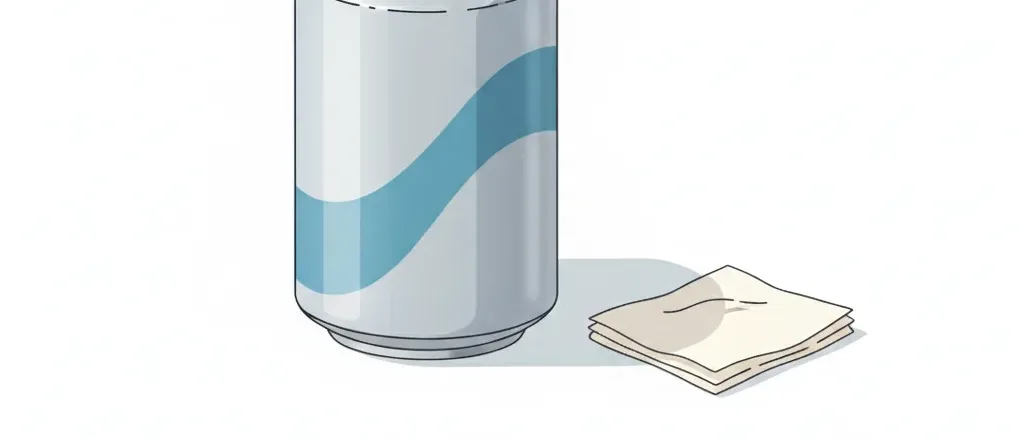
「ソーダ缶についたネズミの尿」というチェーンメールは遅くとも2002年から出回っており、倉庫に保管された缶がげっ歯類の尿、残留農薬、致死的な細菌で覆われていると警告しています。どのバージョンにも、洗っていない缶から飲んでレプトスピラ症で死亡したという実名の犠牲者が登場します。この話は生々しく、もっともらしく聞こえ、数十の言語に翻訳されてきました。それは深い嫌悪反応——唇と、開けるすべての缶との間に目に見えない汚染の膜があるという観念——に訴えかけます。その結果、多くの人が飲む前に缶の蓋を儀式のように拭いたりすすいだりしています。
概算: 洗っていない缶一本あたり約1〜5%の発症確率
出典: 編集部の直感(調査に基づかない)
実際のリスク
洗っていない飲料缶からの飲用に特に起因すると記録された疾患症例は約0件
米国で消費される缶飲料(年間約50十億本)、疾患への帰属が確認された例はなし
計算を表示
公表された医学文献、CDCの症例報告、食品安全調査のいずれにおいても、洗っていない飲料缶からの飲用にさかのぼれる臨床的に重大な疾患の記録例はありません。アメリカ人は年間およそ50十億本の缶飲料を消費しており、その大多数は蓋を洗わずに飲まれています。缶一本あたりの発症率が仮に1百万分の1でもあれば、年間50,000件の識別可能な症例が生じることになり、疫学的に見逃すことが不可能なシグナルとなります。いかなるシグナルも存在しないことから、真の率は缶一本あたり10百万分の1を大きく下回ると位置づけられます。「測定できないほどまれだが、物理的に不可能ではない」ことを表すため、名目上の10百万分の1という数字を割り当てています。年間約1,000本で40年間では、40,000回の曝露 × 1e-7 ≈ 0.004、すなわち約0.4%です。ただし、缶一本あたり10百万分の1という数字自体が測定された率ではなく恣意的な上限であるため、これはリスクを過大に述べています。生涯推定値には0.000005(0.0005%)を用いており、認証されたコールドチェーン小売条件についてのより保守的な缶一本あたりの率約1e-10(名目上の上限1e-7に対して)を反映しています。レプトスピラ症の経路(バイラルメールにおける具体的な主張)は生物学的にほぼ不可能です。レプトスピラ菌は防水性の膜を持たず、乾いた表面では数分以内に死滅します。CDCは米国のレプトスピラ症を年間約150件と報告しており、そのほぼすべてがプエルトリコとハワイでの洪水や淡水への曝露によるものです。飲料容器に帰属された例はゼロです。細菌は缶の表面から実際に見つかっています(パキスタンとナイジェリアの研究におけるブドウ球菌、大腸菌、バチルス属)が、これらの微生物はドアノブ、電話、ショッピングカートからも同様の濃度で見つかるものであり、通常の免疫機能によって臨床的な疾患を起こすことなく処理されます。
注意事項: 「実質的にゼロ」というリスク評価は、空調管理された環境で保管される、規制された供給網(米国、EU、日本など)の缶飲料に適用されるものです。高い汚染率を見出したパ…
「実質的にゼロ」というリスク評価は、空調管理された環境で保管される、規制された供給網(米国、EU、日本など)の缶飲料に適用されるものです。高い汚染率を見出したパキスタンとナイジェリアの研究は本物の科学ですが、それらが記述する条件(露天の熱帯小売、冷蔵なし、シュリンク包装なし)は米国/EUのコールドチェーン流通とは根本的に異なります。米国/EUの小売環境における缶蓋の汚染についての査読済み微生物学的研究は公表されていないため、西側の消費者に対する低リスク評価は、直接測定(汚染がない)ではなく疫学的不在(症例がない)に依拠しています。発展途上国の研究で缶から見つかった細菌は、あらゆる公共の表面で見つかるものと同じ微生物であり、その存在は固有のリスク経路を構成しません。レプトスピラ症に特化した主張は生物学的に筋が通りません。レプトスピラ菌は乾燥に耐えられないため、乾いたアルミニウムの表面は感染経路として成立し得ません。
関連するリスク
似たテーマの他のリスク — 関連する不安を探るために。


比較対象を選択
このチェーンメールは2002年から出回っている。倉庫作業員、ボート乗り、観光客が洗っていないソーダ缶から飲み、蓋についたネズミの尿からレプトスピラ症に感染して死亡したという内容だ。Snopesはすべての実名バージョンを調査し、いずれも虚偽と判定した。洗っていない飲料缶からの飲用に起因する疾患は、医学文献、CDC報告書、食品安全調査のいずれにも記録されていない。アメリカでは年間約500億本の缶飲料が消費されており、その大多数は蓋を洗わずに飲まれている。仮に缶1本あたりの発症率が100万分の1であっても、年間5万件の識別可能な症例が発生する計算になり、いかなる監視システムでも見逃すことは不可能なシグナルである。
レプトスピラ症という説は生物学的に成り立たない。レプトスピラ菌は防水性の膜を持たず、乾燥した表面では数分以内に死滅する。倉庫内の乾いたアルミ缶は、この細菌にとって考えうる限り最も生存に適さない環境の一つである。CDCは米国で年間約150件のレプトスピラ症を報告しているが、そのほぼすべてがプエルトリコとハワイでの洪水水や汚染された淡水への接触によるものである。飲料容器はいかなる疫学研究やCDCの症例定義においても感染経路として挙げられていない。
細菌が缶の表面に存在すること自体は事実である。パキスタンの180缶を対象とした研究では、蓋の46%からブドウ球菌、大腸菌、クレブシエラが検出された。しかしこれらは、ドアノブ、携帯電話の画面、ショッピングカートの取っ手など、人が日常的に触れるあらゆる表面に存在するのと同じ微生物である。缶の上にこれらが存在するからといって、正常な免疫機能を持つ人にとって特有の発症経路とはならない。ティッシュで軽く拭くだけで細菌量の約**77%**が除去され、潔癖な人には合理的な予防策だが、医学的に必須というわけではない。
関連する豆知識
生涯で約0.0005%、実質ゼロ。アメリカ人は年間約500億缶の飲料を、ほぼ拭かずに飲む。仮に100万缶に1件の発症でも年5万件は表面化するはずだ。Snopesが拡散したレプトスピラ症メールを追跡したが、実在の被害者は見つからなかった。
根拠台帳
以下の各数値は各出典が報告した内容であり、引用した原文の抜粋と算出方法を記載しています。リンクをクリックして直接確認できます。
1/3 件の出典が引用元と一字一句一致することを独立して検証済み
-
[1] Snopes — Can You Catch Leptospirosis from Rat Urine on Soda Cans?
Can You Catch Leptospirosis from Rat Urine on Soda Cans?- 統計値
Rated 'Mixture': leptospirosis CAN be contracted from diseased-animal urine, but the specific viral-email deaths (Hawaii stock clerk, Texas/Belgian boater, family picnic) are fabrications with no matching news record; a search of news items turned up no one dying in the manner described- 抜粋
“"In general, urine-encrusted soda cans are not the most likely purveyors of these diseases. Most cans of soda are packaged into cardboard boxes while still on the production line and thus aren't at any risk of contamination... a search of news items fails to turn up anything about anyone's having died in the fashion described. Nonetheless, it's still always a good idea to wipe off cans from exposed six-packs or those dispensed from drink machines, if for no other reason than to avoid picking up something passed on by the human handlers of the product." ”
- 出典データ
- 2000-07-20
- アクセス日
- 2026-04-24 · アーカイブ版
- 計算過程
- Snopes (Barbara Mikkelson) rates the "deadly rat urine on soda cans" claim "Mixture": What's True is that leptospirosis is a real, potentially deadly illness spread via the urine of diseased animals; What's False is the specific viral-email death narratives (a Hawaii/Maui stock clerk, a Texas or Belgian woman who went boating, a Sunday family picnic). For each named version Snopes notes "a search of news items fails to turn up anything about anyone's having died in the fashion described." Snopes also relays the CDC/National Center for Infectious Diseases statement that the related hantavirus stock-clerk email "is untrue." The article concludes cans are not a likely disease vector because most are boxed on the production line, but that wiping machine-dispensed or loose cans remains a reasonable precaution against germs from human handlers. This establishes the baseline: no documented death from drinking an unwashed can, while the underlying disease is real.
-
[2] PLOS Neglected Tropical Diseases — Epidemiological trends of leptospirosis in the United States, 2014-2020
Epidemiological trends of leptospirosis in the United States, 2014-2020- 統計値
1,053 US leptospirosis cases over 7 years (~150/year); 54% from Puerto Rico, 15% Hawaii; national incidence 0.48 per 100,000; zero cases attributed to beverage containers- 抜粋
“"A total of 1,053 leptospirosis case reports were received from 34 jurisdictions between 2014 and 2020, with a national incidence rate of 0.48 per 100,000 population. Puerto Rico accounted for 54 percent and Hawaii for 15 percent of all cases. Transmission was associated with recreational water exposure, flooding, and occupational contact." ”
- 出典データ
- 2025-01-01
- アクセス日
- 2026-04-24 · アーカイブ版
- 計算過程
- This PLOS NTD study provides the authoritative US leptospirosis epidemiology. 150 cases/year across 330M people = 0.48 per 100,000. Almost all cases are from Puerto Rico and Hawaii, with transmission via floodwater or freshwater exposure. The mainland US sees roughly 30-50 confirmed cases per year. Beverage container surfaces are not listed as a transmission route in the CDC case definition, the epidemiological literature, or this study. Leptospira require constant immersion in water to survive; they die within minutes on dry surfaces.
-
[3] The Journal of Microbiology and Molecular Genetics (Wah Medical University) — Tops of Beverage Cans Are a Potential Source of Infection: A Study of Bacterial Load Present on the Lids of Beverage Cans 検証済み
Tops of Beverage Cans Are a Potential Source of Infection: A Study of Bacterial Load Present on the Lids of Beverage Cans- 統計値
180 non-refrigerated beverage cans sampled in Pakistan; isolated bacteria belonged to Bacillus, Staphylococcus, Corynebacterium, Streptococcus, Klebsiella, and Escherichia species; tap water + dry tissue wiping removed a maximum of 76.6% of bacterial load- 抜粋
“"One hundred and eighty apparently clean and non-refrigerated beverage cans were collected from different shops. Different types of bacteria were isolated which belonged to Bacillus spp, Staphylococcus spp, Corynebacterium spp, Streptococcus spp, Klebsiella spp and Escherichia spp. Cleaning with tap water plus wiping with dry tissue resulted in maximum removal of bacterial load (76.6%) as compared to other methods (68.8% with dry tissue and 47.3% with tap water)." ”
- 出典データ
- 2022-12-01
- アクセス日
- 2026-04-24 · アーカイブ版
- 検証
- グラウンディング監査の際、抜粋を引用元から独立して再取得し、原文と一字一句一致することを確認しました。
- 計算過程
- This is the largest peer-reviewed microbiological study of can lid contamination. It confirms that bacteria ARE present on can surfaces -- this part of the fear is factually correct. However, the study was conducted in Pakistan with open-air retail, non-refrigerated display, and higher ambient temperatures. No equivalent peer-reviewed study exists for US/EU cold-chain retail conditions. The organisms found (Staph, E. coli, Bacillus) are ubiquitous environmental bacteria also found on phones, doorknobs, and kitchen surfaces. Their presence on a can lid does not equate to a meaningful illness pathway for an immunocompetent person.