証拠の質 4.5/5
8次元のレビュー評価。基準は 品質ルーブリック 。各次元は1〜5で評価。
- D1 出典への根拠
- 5/5
- D2 出典の権威性
- 5/5
- D3 算術
- 4/5
- D4 不確実性
- 4/5
- D5 範囲
- 5/5
- D6 文章
- 4/5
- D7 認識の誠実性
- 4/5
- D8 注意事項の完全性
- 5/5
● あなたの要因 — このリスクをクリック ▾ して表示
- あなたの要因
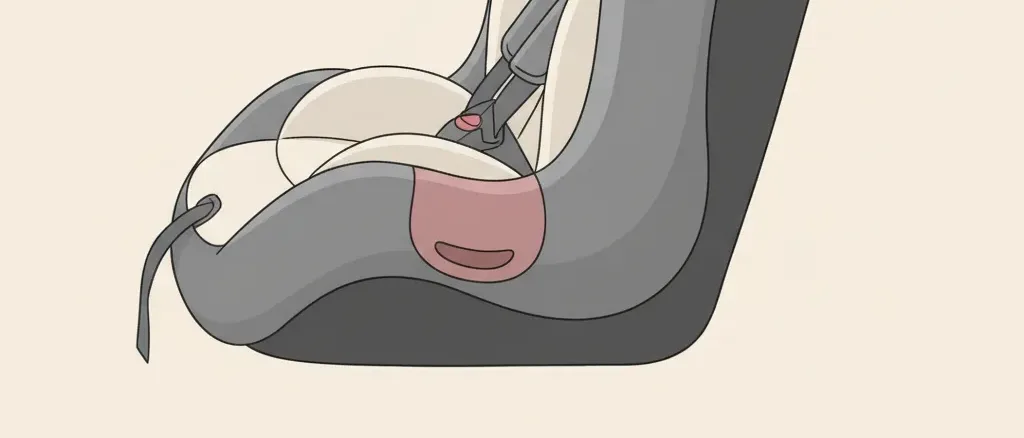
認知リスク
「子供は後部座席に」は、現代の自動車安全の定説の中でも最も根強い育児アドバイスの一つであり、その理由として通常エアバッグが挙げられます。1990年代や2000年代にこの原則を身につけた親は、助手席エアバッグを、2007年までにほぼ設計上排除された歴史的な危険としてではなく、どの移動においてもシートベルトを着用した子供に対する能動的な脅威として思い描くことがよくあります。現代の車でエアバッグの展開によって子供が死亡する1回の移動あたりの知覚リスクは、後部座席の原則自体が独立した衝突物理学上の理由で依然として正しいとしても、実際のリスクよりもおそらく数桁高くなっています。
概算: 1回の移動あたり100,000分の1程度が、小さな子供を持つほとんどの親にとって妥当に感じられる
出典: 編集部の直感(調査に基づかない)
実際のリスク
助手席での子供1回の移動あたり約10,000,000分の1(現代の車両、正しく拘束された状態)
高度エアバッグを備えた2007年以降の米国乗用車に乗る、正しくシートベルトを着用した13歳未満の子供
計算を表示
NHTSAの特別衝突調査(Special Crash Investigations)は、1990年から2008年の間の低速衝突における前席エアバッグの展開に約290件の米国の死亡を帰属させており、そのうち90%以上(約260件)が子供と乳児で、大多数は第1世代エアバッグ車両の助手席位置でシートベルト非着用または後ろ向きチャイルドシートに座っていました。約18年間と、その期間中にエアバッグ搭載車の助手席で実際に行われた子供の移動という部分集合にわたって分散させると、正しく拘束された子供の当時の1回の移動あたりの死亡率は、すでに1,000,000分の1を下回っていました。2007年以降の高度エアバッグ車両(デュアルステージ展開、重量センサー、チャイルドシートのプロファイルに対する抑制機能)に乗る子供の場合、年間の小児エアバッグ展開死亡数はほぼゼロにまで減少しており、1回の移動あたりの点推定値はおよそ1e-7となります。近年の分子は安定した比率ではなく一握りの症例であるため、不確実性の幅は広くなっています。
注意事項: これは主に歴史的なリスクのエントリーです。「子供は後部座席に」という原則は、およそ1990年から2000年の間の第1世代エアバッグによる死亡から生まれましたが、…
これは主に歴史的なリスクのエントリーです。「子供は後部座席に」という原則は、およそ1990年から2000年の間の第1世代エアバッグによる死亡から生まれましたが、その特定のメカニズム(攻撃的で、単段階の、常時作動する展開)が新車から規制で排除された後も、育児文化の中で長く存続しています。現代の車では、正しく拘束された子供に対するエアバッグ固有の1回の移動あたりの死亡リスクは、自動車事故の領域よりも落雷の領域に近いものです。後部座席の原則は依然として正しい推奨事項ですが、それは主に独立した理由によるものです。後部では衝突の力が小さく、小さな体には拘束具の形状がより適しており、前席の大人が振り返って気を取られることもありません。エアバッグという枠組みは、この原則の歴史的な引き金として扱い、現代における主な正当化理由としては扱わないでください。一つ挙げておくべき裏面:手動の助手席エアバッグのオン/オフスイッチを今も搭載している少数の車両では、後ろ向きチャイルドシートのためにそれを無効化し、その後で再び有効化するのを忘れると、次に乗る大人や年長のティーンの前席乗員が前面衝突でエアバッグなしの状態になります。これは現実の、あまり議論されていない失敗モードですが、リスクを別のメカニズム(エアバッグの展開ではなく衝突の力)を通じて別の乗員に移すものであるため、このエントリーの見出しの数字の内側ではなく外側に位置します。
リスクはどう変わるか
見出しの数値は大きく異なる状況の平均です。シナリオや文脈による確率の違いは以下の通りです:
—
Not exposed to the front passenger airbag at all; this is the default configuration recommended by AAP and NHTSA.
10,000,000分の1
Advanced airbags with occupant sensors and dual-stage deployment; pediatric inflation fatalities in recent years are near zero.
1,000分の1
The canonical 1st-gen airbag hazard — the scenario that drove the back-seat rule into parenting culture.
100分の1 · 1.0%
Most of the ~260 historical child inflation deaths fell in this or the previous category.
バーの長さと濃淡は、これらのシナリオを他のリスクとではなく、互いに比較して順位付けしたものです。正確な確率は各項目の横に表示されています。
関連するリスク
似たテーマの他のリスク — 関連する不安を探るために。






比較対象を選択
NHTSAのSpecial Crash Investigationsは、1990年から2008年の間に低速衝突における前席エアバッグ展開に起因する約290件の米国死亡を帰属させており、被害者の90%以上が後ろ向きチャイルドシートの乳児か、助手席に座った小柄な子供でした。これは約18年間で年間約16件の死亡率であり、当時の米国の子供数千万人に対し、非常に小さな絶対数です。子供の前席着座キャリア全体で累積した確率は、前席着座する子供1人あたりおよそ100万人に1人から10万人に1人の範囲です。正確な分母は不明です。ほとんどの子供はすでに後部座席にいたためです。
このデータが駆動したのは技術的変更です。1998年に始まった高度エアバッグ規制は2006年までにフルフェーズインし、第2世代のデプロイメントは子供の存在と乗員の体重でフォースを調節するようになりました。NHTSAのSCIデータは2008年以降、高度エアバッグ車両における子供のエアバッグ死亡がほぼゼロに近づいたことを示しています。技術の問題が本質的に技術で解決されたということです。このエントリーは歴史的リスクとして「校正済み」に残っていますが、現行の車両世代では実効上問題は解消されています。
残る推奨事項は単純です。13歳未満のすべての子供は後部座席に座るべきであり、後ろ向きチャイルドシートは決して活動中の前席エアバッグの前に置かれるべきではありません。これはNHTSA、AAP、すべてのチャイルドシートメーカーのマニュアルによる一貫した推奨であり、そのコンプライアンスが1990年代の問題を本質的に排除した理由です。現代の車両で前席に子供を正しい後ろ向きシートで配置する状況は、シングルキャブトラックなど後部座席が物理的に存在しない場合のみであり、その場合はエアバッグを無効化するか助手席を最後方に移動させます。
関連する豆知識
現代の車の助手席で正しく拘束された子どもの場合、エアバッグ関連の死亡リスクは1回の乗車あたり約1/10,000,000。古い「後部座席のみ」ルールは、はるかに激しく展開した1990年代のエアバッグ向けに書かれたものだ。
根拠台帳
以下の各数値は各出典が報告した内容であり、引用した原文の抜粋と算出方法を記載しています。リンクをクリックして直接確認できます。
3/4 件の出典が引用元と一字一句一致することを独立して検証済み
-
[1] Insurance Institute for Highway Safety (IIHS) — Airbags 検証済み
Airbags- 統計値
NHTSA estimates >290 US deaths from frontal airbag inflation in low-speed crashes, 1990-2008; >90% were children and infants- 抜粋
“"NHTSA estimates that during 1990-2008, more than 290 deaths were caused by frontal airbag inflation in low-speed crashes. More than 90% of those were children and infants, most of whom were unbelted or in rear-facing child safety seats that placed their heads close to the deploying airbag." ”
- 出典データ
- 2024-01-01
- アクセス日
- 2026-04-11 · アーカイブ版
- 検証
- グラウンディング監査の際、抜粋を引用元から独立して再取得し、原文と一字一句一致することを確認しました。
- 計算過程
- Take ~290 total inflation-attributable deaths × 0.9 ≈ 260 child deaths across 1990-2008 (~18 years). US child-trips in the front passenger seat of airbag-equipped vehicles during that window are on the order of tens of billions; even on a conservative denominator of ~2e9 exposed child-trips the historical per-trip rate for unbelted or improperly-restrained children is roughly 1e-7 and for correctly-restrained kids is an order of magnitude lower. Post-2007 advanced airbags (mandated by the certified-advanced rule) then cut the numerator by roughly another order of magnitude. The 1e-7 headline is the midpoint of that range for a correctly-restrained child in a modern vehicle.
- 独立性
- IIHS is summarizing NHTSA Special Crash Investigation (SCI) data; it is not an independent measurement. Treat the 290/90% figures as a single NHTSA-sourced estimate with two presentations.
-
[2] Injury Prevention (BMJ) — Smith & Cummings, 2006 — Passenger seating position and the risk of passenger death in traffic crashes: a matched cohort study 検証済み
Passenger seating position and the risk of passenger death in traffic crashes: a matched cohort study- 統計値
Adjusted risk ratio for restrained children 0-12 years, rear vs front seat, vehicles with front passenger airbag: 0.62 (95% CI 0.48-0.81)- 抜粋
“"For restrained passengers in cars with a front passenger airbag, the aRR was 0.62 (95% CI 0.48 to 0.81) for children 0-12 years." ”
- 出典データ
- 2006-04-01
- アクセス日
- 2026-04-11 · アーカイブ版
- 検証
- グラウンディング監査の際、抜粋を引用元から独立して再取得し、原文と一字一句一致することを確認しました。
- 計算過程
- The 0.62 adjusted risk ratio is not used to compute the native per-trip number; instead it anchors the statement that the back seat is still the better position for children in airbag-equipped cars as a matter of overall crash mortality, not just airbag-inflation mortality. It is the strongest peer-reviewed evidence that the "kids in back" rule has independent justification even after 1st-generation airbags were phased out.
- 独立性
- Smith & Cummings draw on FARS/GES crash data, which NHTSA also uses. They are not fully independent of the IIHS/NHTSA inflation-death figure but answer a different question (overall fatality risk by seat position, not inflation-attributable deaths).
-
[3] American Academy of Pediatrics (HealthyChildren.org) — Air Bag Safety for Children 検証済み
Air Bag Safety for Children- 統計値
AAP recommends all children under 13 ride in the back seat; rear-facing infants must never ride in front of an active airbag- 抜粋
“"The safest place for all infants and children younger than 13 years to ride is in the back seat." ”
- 出典データ
- 2023-01-01
- アクセス日
- 2026-04-11 · アーカイブ版
- 検証
- グラウンディング監査の際、抜粋を引用元から独立して再取得し、原文と一字一句一致することを確認しました。
- 計算過程
- Used as the authoritative pediatric-policy citation explaining why the back-seat rule persists regardless of the dramatic reduction in airbag-inflation fatalities since 2007. Not used in the per-trip arithmetic.
- 独立性
- Policy document, not a primary data source — independent of NHTSA/IIHS crash data but also not a quantitative estimate.
-
[4] NHTSA, National Center for Statistics and Analysis — Evaluation of the Certified-Advanced Air Bags (DOT HS 811 834)
Evaluation of the Certified-Advanced Air Bags (DOT HS 811 834)- 統計値
Certified-advanced airbags (phased in 2003-2006) showed a 5% reduction in child right-front-passenger frontal fatality rate (12 and younger, per billion vehicle registration years; not statistically significant); SCI logged only one child right-front airbag fatality in otherwise-survivable crashes across CY 2004-2011 for MY 2002-2009 vehicles- 抜粋
“"The fatality rate, in frontal crashes per billion vehicle registration years showed a 4 percent reduction overall, 5 percent reduction for drivers, and 5 percent reduction for child right-front passengers 12 and younger, after vehicles were equipped with certified-advanced air bags. None of these were statistically significant. ... From CY 2004 to 2011 for MY 2002 to 2009, SCI has only one record of a child up to 12 years old sitting in the right-front seat with fatal injuries from air bags in otherwise survivable, low-to-moderate speed crashes (delta-V < 40.2 km/h [25 mph])." ”
- 出典データ
- 2013-09-01
- アクセス日
- 2026-04-12 · アーカイブ版
- 計算過程
- Primary NHTSA government evaluation (Greenwell 2013) of certified-advanced airbag systems. Its Special Crash Investigations tally — only one child right-front airbag fatality in otherwise-survivable crashes across CY 2004-2011 for MY 2002-2009 vehicles — is the direct evidence that modern-vehicle pediatric front-seat airbag deaths have collapsed to near zero, which anchors the entry's 1e-7 per-trip point estimate. This report does not restate the 290-death / 90%-children historical tally; that figure comes from the IIHS source (#1) summarizing NHTSA SCI data, not from this evaluation.
- 独立性
- Government publication that measures the certified-advanced vs sled-certified comparison and the modern SCI child-fatality count directly. It draws on the same FARS/SCI system NHTSA/IIHS use, so it is not statistically independent of the historical inflation-death figure, but it supplies the authoritative modern near-zero count first-hand.