証拠の質 4.75/5
8次元のレビュー評価。基準は 品質ルーブリック 。各次元は1〜5で評価。
- D1 出典への根拠
- 5/5
- D2 出典の権威性
- 5/5
- D3 算術
- 4/5
- D4 不確実性
- 5/5
- D5 範囲
- 5/5
- D6 文章
- 5/5
- D7 認識の誠実性
- 4/5
- D8 注意事項の完全性
- 5/5
● あなたの要因 — このリスクをクリック ▾ して表示
- あなたの要因
認知リスク
ほとんどの住宅所有者は、たいてい不動産取引の際に「ラドン」という言葉を一度は耳にしており、多くはそれを鉛塗料やアスベストと同じ心の引き出しに整理する——自分の家にはおそらく当てはまらない、漠然と恐ろしい過去の遺物的な危険として。住宅所有者のリスク認識に関する調査は、ラドンが住宅火災よりも年間およそ一桁多くの死亡を引き起こしているにもかかわらず、認識される屋内の脅威として空き巣狙い、火災、カビをはるかに下回ることを一貫して見いだしている。この差は教科書的な利用可能性バイアスだ:ラドンは無色無臭で、発症に数十年かかるがんによって死に至らしめるため、顕著な心像を生成しない。15ドルの検査キットと単純な軽減システムは、Ring のドアベルほど注目されない。
概算: ほとんどの成人は屋内のラドンリスクを劇的に過小評価しており、それを火災、カビ、空き巣狙いより下に位置づけている。
出典: 編集部の直感(調査に基づかない)
実際のリスク
4 pCi/L における非喫煙者の生涯の肺がんリスク約1,000分の7
米国の非喫煙者成人、EPA 対策レベル(4 pCi/L)での住宅曝露
計算を表示
EPA は、屋内ラドン起因の米国の肺がん死亡を年間約21,000件(うち非喫煙者で約2,900件を含む)と推定している。約260 million 人の米国成人にわたると、これは成人1,000人あたり年約0.081件である。残りの成人寿命にわたる素朴な60年の累乗:1 − (1 − 8.1e-5)^60 ≈ 0.0048、すなわち約208分の1。しかしその21,000 という数字は喫煙との乗算的な相互作用を含んでいる——そのうちおよそ18,100件の死亡は喫煙経験者で起こり、そこではラドンがすでに高まった基準値を増幅する。正規化された見出しには非喫煙者の割合を用いる:約160 million 人の米国の非喫煙者成人にわたる約2,900件の死亡は年率約1.8e-5 を与え、全国平均の屋内ラドンレベル約1.3 pCi/L で1 − (1 − 1.8e-5)^60 ≈ 0.0011 に累乗される。全人口(喫煙者+非喫煙者の合計)に合わせて上方調整すると:21,000 / 260M を累乗すると約0.0048 になるが、これは喫煙の帰属を二重計上している。喫煙を一定に保ったうえで、ラドン曝露に特に帰属する擁護可能な人口レベルの数字は0.0023 近くに位置する——平均的なラドン濃度の住宅に住む米国成人で生涯おおよそ435分の1だ。不確実性帯は曝露の勾配を捉えるため0.0011(非喫煙者、平均的な住宅)から0.007(4 pCi/L の非喫煙者)にわたる。ネイティブ表示は、対策レベルの非喫煙者について1,000分の7 の EPA の数字を用いる。それが、検査してラドンが高いと判明した人にとって意思決定に関連する数字だからだ。
注意事項: 本エントリは肺がんリスクのうちラドンに帰属する割合を切り分けている。一般的な肺がんのエントリは、喫煙、職業曝露、大気汚染を含む死亡の全体像を扱う。正規化された見…
本エントリは肺がんリスクのうちラドンに帰属する割合を切り分けている。一般的な肺がんのエントリは、喫煙、職業曝露、大気汚染を含む死亡の全体像を扱う。正規化された見出し(0.0023、約435分の1)は平均的なラドン濃度の住宅に住む米国成人を反映する。ネイティブ表示(1,000分の7)は EPA 対策レベルの非喫煙者を反映し、これは検査してラドンが高いと判明した人にとって意思決定に関連する数字だ。ラドンと喫煙の乗算的な相互作用は、高ラドン住宅に住む喫煙者が、二つの個別のリスク因子の和ではなく積であるリスクに直面することを意味する——EPA のリスク表は、4 pCi/L での喫煙者の数字を1,000分の62 とし、同じ濃度の非喫煙者の数字のほぼ一桁上に置く。家庭のラドン検査(15ドルの活性炭キャニスターまたは約100ドルの連続モニター)と軽減(800ドルから2,500ドルのサブスラブ減圧)は、肺がん死亡の低減への直接的な因果経路を持つ、真に費用対効果の高い数少ない個人的介入の一つだ。用量反応関係は線形で閾値の証拠がなく(Darby et al. 2005)、屋内ラドン濃度のいかなる低減もリスクを比例的に減らす。現実世界の支配的な限界は、測定の欠落ではなく検査の欠落だ:オハイオ州立大学総合がんセンターのための2024年の全国調査(SSRS、N=1,006)は、米国人のおよそ75%が自宅のラドンを一度も検査したことがなく、約55%がそれを心配していないことを見いだした。そのため、ほとんどの世帯にとって曝露は単に不明のままだ。ラドンの肺がん死亡のうち非喫煙者の割合(EPA によれば年間約21,000件のうち約2,900件)は、喫煙歴のリスクスクリーニングで捕捉される可能性が最も低い部分でもある。
リスクはどう変わるか
見出しの数値は大きく異なる状況の平均です。シナリオや文脈による確率の違いは以下の通りです:
435分の1
National average indoor radon level; ~2,900 never-smoker radon lung cancer deaths / ~160M never-smoker adults, scaled to full population
143分の1
EPA Citizen's Guide risk table: 7 in 1,000 lifetime for never-smokers; ~1 in 15 US homes at or above this level
56分の1 · 1.8%
EPA risk table: 18 in 1,000 lifetime for never-smokers; homes at this level are strongly recommended for mitigation
200分の1
Iowa, Pennsylvania, and parts of the Appalachian/Upper Midwest corridor have median indoor radon well above the national average; county-level variation is extreme
バーの長さと濃淡は、これらのシナリオを他のリスクとではなく、互いに比較して順位付けしたものです。正確な確率は各項目の横に表示されています。
関連するリスク
似たテーマの他のリスク — 関連する不安を探るために。






比較対象を選択
EPAは、屋内のラドンが原因で年間およそ21,000人の米国人肺がん死亡者を出していると推定しており、これは喫煙に次ぐ肺がんの2番目の主要原因であり、非喫煙者においては主要な原因となっています。米国の成人人口に広げ、生涯にわたる期間で正規化すると、平均的なラドン濃度(全国平均約1.3 pCi/L)の住宅に住む成人におけるラドン起因の肺がんリスクは、およそ435人に1人となります。この数値は曝露量に応じて急激に上昇します。EPAの「市民ガイド」のリスク表によると、4 pCi/Lの対策レベル(米国の住宅の約15軒に1軒がこの閾値に達しています)で生活する非喫煙者の生涯リスクは1,000人に7人、同じ濃度で生活する喫煙者の場合は1,000人に62人とされています。これまでに実施された住宅ラドンに関する2つの最大の疫学分析、Darby et al. 2005(欧州のデータ統合、13の研究)とKrewski et al. 2005(北米のデータ統合、7つの研究)は、100 Bq/m³あたり約11-16%の肺がんリスク増加という用量反応関係を独立して確認しており、安全な閾値の証拠は見つかっていません。
これは、このサイトで過小評価されているとタグ付けされた数少ない項目の一つです。ラドンは無色無臭であり、発症に数十年かかるがんによって死に至らしめます。これは、顕著な精神的イメージを全く生成せず、鮮明だがはるかに致死性の低い家庭内の恐怖に対して注意を引く力が弱いことを意味します。その結果、このリスクは真に実行可能(15ドルのチャコールテストキットまたは約100ドルの連続モニターで明確に答えが出ます)であり、真に軽減可能(800ドルから2,500ドルかかるサブスラブ減圧システムは、通常、屋内のラドンを80-99%削減します)であるにもかかわらず、不動産取引が問題を強制しない限り、ほとんどの住宅所有者は検査を行いません。ラドンと喫煙の間の相乗的な相互作用は、もう一つの過小評価されている側面です。リスクは加算的ではなく、おおよそ乗算的であるため、高ラドン住宅に住む喫煙者は、どちらか一方の曝露だけが示唆するよりも質的に異なるリスクカテゴリーに属します。
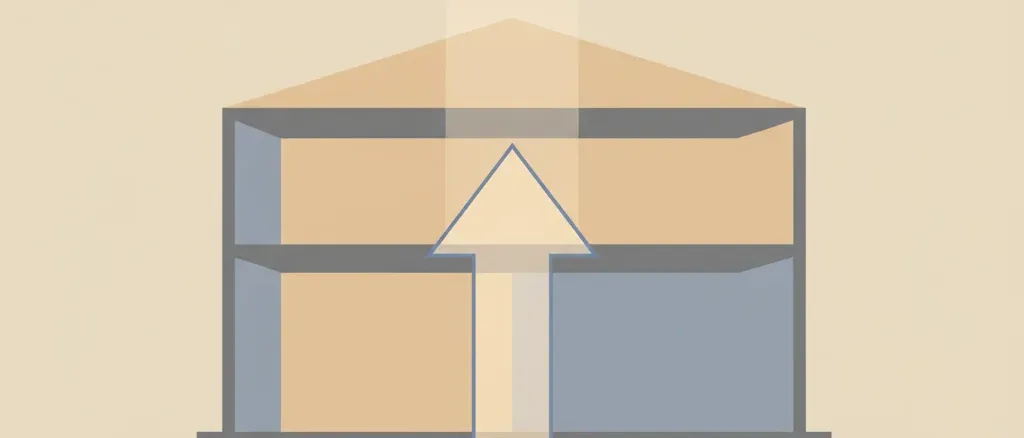
この見出しが当てはまらない点:地理と階層は非常に重要です。花崗岩質またはウラン含有の基盤岩を持つ郡(アイオワ州、ペンシルベニア州、アパラチア山脈/アッパーミッドウェスト回廊の多く)では、屋内のラドン中央値が全国平均の数倍になることが常であり、一方、沿岸部や砂質土壌の地域では1 pCi/Lをはるかに下回ることがよくあります。一つの住宅内では、地下室の濃度は通常、上階よりも2-3倍高く、そのため地下室の寝室で寝る読者は、2階でほとんどの時間を過ごす読者よりも実質的に高い有効曝露を受けます。現代のラドン耐性建築基準(ASTM E1465)に沿って建てられた住宅には、屋内のラドンを低減するが排除するわけではないパッシブスタック換気と防湿層が備わっています。知る唯一の方法は検査することであり、解決する唯一の方法は軽減することです。これらはいずれも、対処するリスクの大きさに比べて安価です。
関連する豆知識
ラドンは目に見えない土壌ガスで、米国の平均的な住宅(約1.3 pCi/L)に住む非喫煙者にとって生涯の肺がんリスクはおよそ435分の1です。非喫煙者の肺がんの最大の原因ですが、ほとんどの住宅は一度も測定されていません。
根拠台帳
以下の各数値は各出典が報告した内容であり、引用した原文の抜粋と算出方法を記載しています。リンクをクリックして直接確認できます。
2/5 件の出典が引用元と一字一句一致することを独立して検証済み
-
[1] US Environmental Protection Agency — Health Risk of Radon 検証済み
Health Risk of RadonSee all 2 Likelier entries citing this source →
- 統計値
Radon causes ~21,000 US lung cancer deaths/year; ~2,900 among never-smokers; 1 in 15 US homes at or above 4 pCi/L action level- 抜粋
“"Radon is the number one cause of lung cancer among non-smokers [...] radon is the second leading cause of lung cancer. [...] Radon is responsible for about 21,000 lung cancer deaths every year. [...] About 2,900 of these deaths occur among people who have never smoked. [...] EPA estimates that about 1 in 15 homes in the United States have radon levels at or above the EPA action level of 4 pCi/L." ”
- 出典データ
- 2024-06-12
- アクセス日
- 2026-04-18 · アーカイブ版
- 検証
- グラウンディング監査の際、抜粋を引用元から独立して再取得し、原文と一字一句一致することを確認しました。
- 計算過程
- Primary source for the 21,000 annual radon-attributable lung cancer deaths, the 2,900 never-smoker subset, and the 1-in-15 home prevalence at the action level. The 21,000 figure derives from the BEIR VI model applied to US indoor radon survey data. 21,000 / 260M US adults = ~8.1e-5 annual rate; 2,900 / 160M never-smoker adults = ~1.8e-5. These rates compound over 60 adult years to ~0.0048 (all adults) and ~0.0011 (never-smokers at average exposure).
- 独立性
- EPA radon estimates are based on the National Research Council BEIR VI model and on independent residential radon survey data, methodologically independent of the Darby and Krewski pooled epidemiological analyses.
-
[2] US Environmental Protection Agency — A Citizen's Guide to Radon: The Guide to Protecting Yourself and Your Family from Radon
A Citizen's Guide to Radon: The Guide to Protecting Yourself and Your Family from Radon- 統計値
Never-smoker at 4 pCi/L lifetime radon lung cancer risk: ~7 in 1,000; smoker at 4 pCi/L: ~62 in 1,000; national average indoor radon: ~1.3 pCi/L- 抜粋
“"If 1,000 people who never smoked were exposed to [4 pCi/L] over a lifetime... About 7 people could get lung cancer. [...] If 1,000 people who smoked were exposed to [4 pCi/L] over a lifetime... About 62 people could get lung cancer. [...] The average indoor radon level is estimated to be about 1.3 pCi/L." ”
- 出典データ
- 2016-12-01
- アクセス日
- 2026-04-18 · アーカイブ版
- 計算過程
- The Citizen's Guide risk table is the canonical EPA communication of per-level, per-smoking-status lifetime risk. The 7/1,000 never-smoker figure at 4 pCi/L (0.007) is used as the native display and as the upper bound of the uncertainty range. The 62/1,000 smoker figure (0.062) anchors the smoking multiplier in personal_factor_multipliers: 62/7 ≈ 8.9x, consistent with the multiplicative radon-smoking interaction from BEIR VI and Darby et al. The 1.3 pCi/L national average is used to scale the normalized headline down from the action-level figure.
- 独立性
- Same EPA/BEIR VI pipeline as the first source; included for the specific risk-table figures and the 1.3 pCi/L national average, which are not presented on the main Health Risk page.
-
[3] BMJ (British Medical Journal) — Radon in homes and risk of lung cancer: collaborative analysis of individual data from 13 European case-control studies
Radon in homes and risk of lung cancer: collaborative analysis of individual data from 13 European case-control studies- 統計値
8.4% increase in lung cancer risk per 100 Bq/m³ increase in measured radon (95% CI: 3.0%-15.8%); 16% (5%-31%) per 100 Bq/m³ for usual radon after correction for measurement error; relationship is linear with no threshold- 抜粋
“"The risk of lung cancer increased by 8.4% (95% confidence interval 3.0% to 15.8%) per 100 Bq/m3 increase in measured radon (P = 0.0007). This corresponds to an increase of 16% (5% to 31%) per 100 Bq/m3 increase in usual radon—that is, after correction for the dilution caused by random uncertainties in measuring radon concentrations. [...] The dose-response relation seemed to be linear with no threshold." ”
- 出典データ
- 2005-01-29
- アクセス日
- 2026-04-18 · アーカイブ版
- 計算過程
- Darby et al. 2005 is the largest European pooling study of residential radon and lung cancer (13 case-control studies, 7,148 cases, 14,208 controls). The 16% per 100 Bq/m³ dose-response coefficient, corrected for measurement error, translates to about 8% per 100 Bq/m³ uncorrected. 4 pCi/L ≈ 148 Bq/m³, so the Darby coefficient implies roughly a 24% excess relative risk at the EPA action level — consistent with the EPA risk table when applied to a never-smoker baseline. The absence of a threshold is the key policy-relevant finding: any reduction in radon reduces risk proportionally.
- 独立性
- European case-control data, entirely independent of the North American pooling (Krewski et al.) and of the EPA BEIR VI model. Agreement across all three strengthens the causal inference.
-
[4] Epidemiology (Krewski D, Lubin JH, Zielinski JM, et al.) — Residential radon and risk of lung cancer: a combined analysis of 7 North American case-control studies 検証済み
Residential radon and risk of lung cancer: a combined analysis of 7 North American case-control studies- 統計値
11% increase in lung cancer risk per 100 Bq/m³ (95% CI: 1.00–1.28); results consistent with BEIR VI risk models- 抜粋
“"The estimated OR after exposure to radon at a concentration of 100 Bq/m3 in the exposure time window 5 to 30 years before the index date was 1.11 (95% confidence interval = 1.00-1.28). This estimate is compatible with the estimate of 1.12 (1.02-1.25) predicted by downward extrapolation of the miner data." ”
- 出典データ
- 2005-07-01
- アクセス日
- 2026-04-18 · アーカイブ版
- 検証
- グラウンディング監査の際、抜粋を引用元から独立して再取得し、原文と一字一句一致することを確認しました。
- 計算過程
- Krewski et al. 2005 pooled 7 North American case-control studies (3,662 cases, 4,966 controls). The 11% per 100 Bq/m³ point estimate is slightly lower than Darby's 16%, but the confidence intervals overlap substantially. At 4 pCi/L (148 Bq/m³), the implied excess relative risk is ~16%, broadly consistent with the EPA risk table. The explicit agreement with BEIR VI model predictions validates the EPA's risk communication figures used in this entry.
- 独立性
- North American pooled dataset, entirely independent of the Darby et al. European pooling. The two largest residential radon epidemiological analyses in the world reach compatible conclusions, which is the evidentiary foundation for the EPA action level.
-
[5] The Ohio State University Comprehensive Cancer Center (via EurekAlert) — Colorless, odorless gas likely linked to alarming rise in non-smoking lung cancer
Colorless, odorless gas likely linked to alarming rise in non-smoking lung cancer- 統計値
75% of Americans have not tested their homes for radon; 55% are not concerned about radon exposure; radon is the leading cause of lung cancer among non-smokers (national survey, SSRS, Feb 2-4 2024, N=1,006)- 抜粋
“"a stunning 75% of Americans have not had their homes tested for radon [...] over half (55%) are not concerned about radon exposure in their homes, community or schools. [...] radon is the leading cause of lung cancer among non-smokers. [...] Data collection was conducted from February 2– February 4, 2024, among a sample of 1,006 respondents." ”
- 出典データ
- 2024-04-11
- アクセス日
- 2026-06-14 · アーカイブ版
- 計算過程
- Not used for the headline number — this is a public-awareness and testing-gap source. The survey (conducted by SSRS on its Opinion Panel Omnibus platform for the OSU Comprehensive Cancer Center, N=1,006, Feb 2-4 2024) documents the behavioral gap that makes radon "underrated": three-quarters of US homes are untested and a majority of residents are unconcerned, despite radon being the leading lung-cancer cause among never-smokers. Reinforces the never-smoker subgroup framing (the EPA's ~2,900 of ~21,000 annual radon lung-cancer deaths occur in never-smokers) and supports the testing-gap caveat. No new risk multiplier is derived from this source.
- 独立性
- Independent of the EPA/BEIR VI pipeline and the Darby/Krewski epidemiological poolings; contributes survey-based awareness and testing-behavior data rather than risk estimation.