証拠の質 4.75/5
8次元のレビュー評価。基準は 品質ルーブリック 。各次元は1〜5で評価。
- D1 出典への根拠
- 5/5
- D2 出典の権威性
- 5/5
- D3 算術
- 5/5
- D4 不確実性
- 5/5
- D5 範囲
- 5/5
- D6 文章
- 5/5
- D7 認識の誠実性
- 3/5
- D8 注意事項の完全性
- 5/5
● あなたの要因 — このリスクをクリック ▾ して表示
- あなたの要因
認知リスク
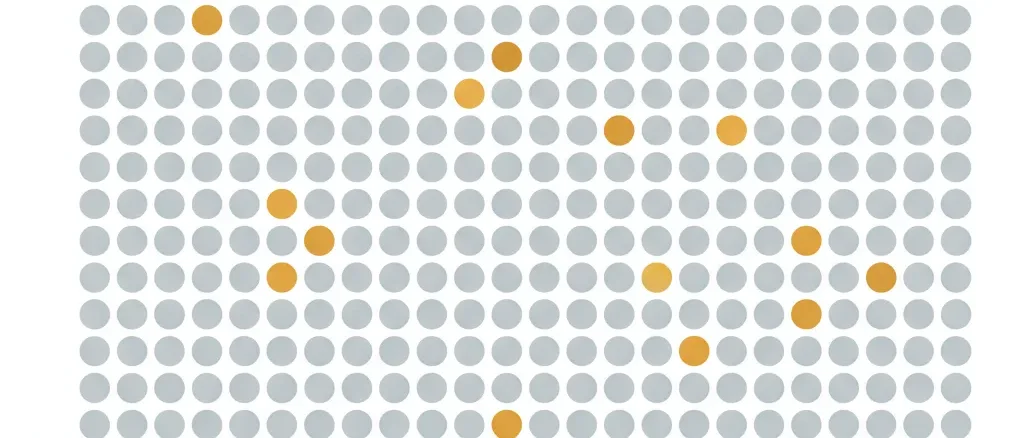
定期的なマンモグラフィー検診を受けるほとんどの女性は、検査が「がんか、がんでないか」の明快な二択を示すことを期待しています。誤警報の可能性、つまり呼び戻され、再撮影され、場合によっては生検を受けた末に所見が良性だったと知らされる可能性は、検診パンフレットで目立つ形では伝えられていません。「マンモグラフィーの偽陽性への恐怖」を独立した項目として切り出した大規模調査は存在しないため、ここでの認識側は、ほとんどの患者が累積的な呼び戻し率を劇的に過小評価していることを示唆する臨床コミュニケーション文献に基づく編集上の直観です。
概算: ほとんどの患者は十年間の検診での確率を10%を大きく下回ると見積もっている
出典: 編集部の直感(調査に基づかない)
実際のリスク
検診あたり約9.6%の偽陽性呼び戻し(初回を除くマンモグラフィー)
マンモグラフィー検診を受ける米国女性、BCSCレジストリ
計算を表示
Elmore et al.の1998年のNEJM研究は、40~69歳の女性2,400人における9,762件のマンモグラフィーに基づき、10回の検診後に少なくとも一度の偽陽性マンモグラフィーを経験する累積確率を49.1%(95% CI 40.3%–64.1%)と推定しました。その後のHubbard et al.の2011年のBCSC分析(386,799件のマンモグラフィー)では、40歳から開始する毎年検診で61.3%(CI 59.4%–63.1%)、隔年検診で41.6%でした。正規化された数字は、より広く引用されている画期的研究であるElmoreの点推定値を中心値として使用しています。不確実性の幅は、両研究の隔年から毎年までの範囲にまたがっています。
注意事項: この項目は、生物学的な生涯ではなく10年間の検診期間で正規化しています。臨床的に意味のある問いは「59年間生き続ける間にどのくらい起こりやすいか」ではなく、「日…
この項目は、生物学的な生涯ではなく10年間の検診期間で正規化しています。臨床的に意味のある問いは「59年間生き続ける間にどのくらい起こりやすいか」ではなく、「日常的なマンモグラフィーを十年続けた場合に誤警報がどのくらい起こりやすいか」だからです。検診あたりの偽陽性率(初回を除く検査で約9.6%)は年齢層を通じてほぼ一定ですが、累積の数字は検診頻度に完全に依存します。隔年検診にすると10年間の累積はおよそ半分になります。乳腺密度、過去の生検歴、ホルモン療法の使用、放射線科医の呼び戻し閾値はいずれも個人のリスクを大きく変動させます。これらは偽陽性の呼び戻しと生検であり、偽陽性のがん診断ではありません。その後の精密検査でほぼ常に所見は解決されますが、費用、不安、時間という代償なしには済みません。
関連するリスク
似たテーマの他のリスク — 関連する不安を探るために。








比較対象を選択
がん検診で最も驚くべき数値はこれかもしれません。40歳から標準的な米国の推奨に従い毎年マンモグラフィーを受ける女性は、10年間で少なくとも1回の偽陽性結果を受ける確率が約2分の1です。Elmore et al.の1998年のNEJMの画期的な論文は、10回のマンモグラフィー後の累積確率を**49.1%としました。386,799件の検査を用いた2011年のBCSCによるより大規模な追試では、毎年検診で61.3%**と報告されています。NCIはこれを「約50%」と丸めています。検診1回あたりの偽陽性再検査率は、2回目以降の検査で約9.6%、初回のマンモグラフィーでは16.3%です。初回が高い理由の一つは、比較対象となる過去の画像がないことです。
この数値が興味深いのは、個々の検査の性能と累積的な経験のギャップです。1回の検査で90%の特異度は、単独では優れた数字に聞こえます。しかし、独立した10回の10%偽陽性確率を累積すると、少なくとも1回のアラームの確率はコインの裏表に近づきます。多くの検診広報資料は感度(本物のがんの検出)を強調し、累積的な再検査率を軽視しているため、電話がかかってきた時に患者が驚くことの説明がつきます。その後の連鎖は軽微ではありません。偽陽性の再検査を受けた女性の7%~17%が生検に進み、研究では偽陽性の経験がその後の検診への復帰率を約3分の1低下させることが示されています。
最も強力な修正因子は検診頻度です。毎年から2年に1回のマンモグラフィーに切り替えると、10年間の累積偽陽性率はほぼ半減します(BCSCデータで約61%から約42%へ)。一方、平均リスクの女性におけるがん発見の遅延はわずかです。乳腺密度、ホルモン補充療法、放射線科医の再検査閾値も個人のリスクを有意に変動させます。これらはいずれも検診に反対する議論ではありません——マンモグラフィーは依然として最も検証された集団検診ツールの一つです——ただし、真陽性に対する感度だけでなく、偽陽性の基準率を含むインフォームドコンセントの必要性を示しています。
関連する豆知識
1回のスクリーニングマンモグラフィには約9.6%の偽陽性による要再検査率がある。毎年10回のマンモグラフィを通じて、少なくとも1回の誤った警告が出る累積確率は約49%に達する。
根拠台帳
以下の各数値は各出典が報告した内容であり、引用した原文の抜粋と算出方法を記載しています。リンクをクリックして直接確認できます。
2/4 件の出典が引用元と一字一句一致することを独立して検証済み
-
[1] New England Journal of Medicine — Ten-Year Risk of False Positive Screening Mammograms and Clinical Breast Examinations 検証済み
Ten-Year Risk of False Positive Screening Mammograms and Clinical Breast Examinations- 統計値
49.1% cumulative false-positive probability after 10 mammograms (95% CI 40.3%–64.1%)- 抜粋
“"The estimated cumulative risk of a false positive result was 49.1 percent (95 percent confidence interval, 40.3 to 64.1 percent) after 10 mammograms." ”
- 出典データ
- 1998-04-16
- アクセス日
- 2026-04-12 · アーカイブ版
- 検証
- グラウンディング監査の際、抜粋を引用元から独立して再取得し、原文と一字一句一致することを確認しました。
- 計算過程
- Elmore et al. conducted a 10-year retrospective cohort of 2,400 women aged 40–69 with 9,762 screening mammograms. The per-examination false-positive rate was approximately 6.5% (mammogram alone); the cumulative 10-exam figure of 49.1% follows from the complement rule across independent screens. This is the native-to-normalized bridge: the "lifetime" here is 10 years of annual screening, not a biological lifetime.
- 独立性
- Elmore's cohort predates the BCSC registry and uses a single HMO population (Group Health Cooperative of Puget Sound). The BCSC analysis below draws from a separate, larger, multi-site dataset, providing an independent replication.
-
[2] Annals of Internal Medicine (via PMC) — Cumulative probability of false-positive recall or biopsy recommendation after 10 years of screening mammography
Cumulative probability of false-positive recall or biopsy recommendation after 10 years of screening mammography- 統計値
61.3% cumulative false-positive recall after 10 annual screens starting at age 40 (95% CI 59.4%–63.1%); 41.6% for biennial screening- 抜粋
“"The estimated cumulative probability of a false-positive recall after 10 years of annual screening starting at age 40 was 61.3% (95% CI, 59.4% to 63.1%). For biennial screening, the cumulative probability was 41.6% (CI, 40.6% to 42.5%)." ”
- 出典データ
- 2011-10-18
- アクセス日
- 2026-04-12 · アーカイブ版
- 計算過程
- Hubbard et al. analyzed 386,799 mammograms from the NCI-funded Breast Cancer Surveillance Consortium (BCSC), interpreted by 997 radiologists. Per-screening false-positive recall was 16.3% at first screen, 9.6% at subsequent screens. Cumulative 10-year rates are computed via discrete-time survival analysis. The higher headline (61.3% vs. Elmore's 49.1%) likely reflects larger sample size, more recent practice patterns, and inclusion of digital mammography.
- 独立性
- BCSC is a multi-site NCI-funded registry covering seven US mammography registries. Hubbard's dataset is entirely independent of Elmore's single-HMO cohort.
-
[3] National Cancer Institute — Breast Cancer Screening (PDQ) — Health Professional Version 検証済み
Breast Cancer Screening (PDQ) — Health Professional Version- 統計値
Approximately 50% of women screened annually for 10 years experience a false-positive exam- 抜粋
“"Approximately 50% of women screened annually for 10 years in the United States experience a false-positive exam; of these, 7% to 17% will undergo biopsies." ”
- 出典データ
- 2025-03-14
- アクセス日
- 2026-04-12 · アーカイブ版
- 検証
- グラウンディング監査の際、抜粋を引用元から独立して再取得し、原文と一字一句一致することを確認しました。
- 計算過程
- NCI's PDQ summary synthesizes the Elmore and BCSC findings into a round policy figure. Used here as the authoritative government source confirming the order of magnitude. The "7% to 17% biopsy" range corresponds to the BCSC false-positive biopsy recommendations.
- 独立性
- NCI PDQ is an independent editorial synthesis maintained by a board of cancer-screening experts. It cites both Elmore and Hubbard but applies its own editorial judgment on the summary statistic.
-
[4] Miglioretti DL, Abraham L, Sprague BL, Lee CI, Bissell MCS, et al. — Annals of Internal Medicine, 2024; 177(10):1297-1307 — Association Between False-Positive Results and Return to Screening Mammography in the Breast Cancer Surveillance Consortium Cohort
Association Between False-Positive Results and Return to Screening Mammography in the Breast Cancer Surveillance Consortium Cohort- 統計値
76.9% of women returned for screening after a true-negative result, vs. 54.7% after a false-positive short-interval follow-up recommendation and 61.0% after a false-positive biopsy recommendation (adjusted absolute differences -15.9 and -10.0 percentage points)- 抜粋
“"Women were significantly less likely to return after a false-positive short-interval follow-up or biopsy recommendation than after a true-negative result (adjusted absolute differences=-15.9 percentage points and -10.0 percentage points, respectively)." ”
- 出典データ
- 2024-09-03
- アクセス日
- 2026-07-03 · アーカイブ版
- 計算過程
- Separate BCSC cohort analysis of return-to-screening behavior, distinct from the false-positive incidence rates above (Elmore, Hubbard, NCI). True-negative return rate was 76.9%; false-positive short-interval follow-up return rate was 54.7%, a relative decline of about 29% ("nearly a third"); false-positive biopsy recommendation return rate was 61.0%, a relative decline of about 21%. Used to support the body's discussion of the behavioral consequences of a false-positive result, not the headline cumulative false-positive probability.
- 独立性
- Miglioretti et al. draws on the same NCI-funded Breast Cancer Surveillance Consortium registry as Hubbard et al. (2011) above, but is a separate, more recent cohort answering a different question (return-to-screening behavior rather than false-positive incidence).