証拠の質 4.25/5
8次元のレビュー評価。基準は 品質ルーブリック 。各次元は1〜5で評価。
- D1 出典への根拠
- 4/5
- D2 出典の権威性
- 5/5
- D3 算術
- 4/5
- D4 不確実性
- 4/5
- D5 範囲
- 4/5
- D6 文章
- 4/5
- D7 認識の誠実性
- 4/5
- D8 注意事項の完全性
- 5/5
● あなたの要因 — このリスクをクリック ▾ して表示
- あなたの要因
認知リスク
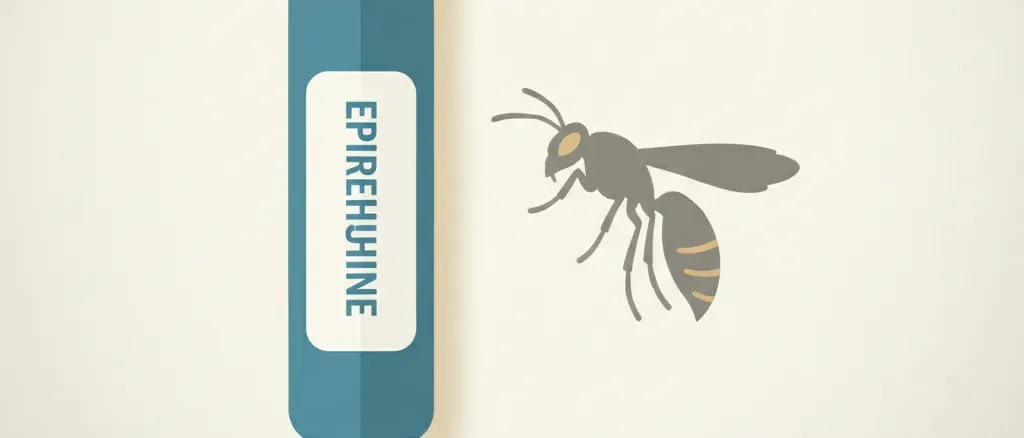
刺傷によるアナフィラキシーは、珍しい知覚プロファイルを持つ。エピネフリン自己注射器を携帯している人は自分の正確なリスクを知っており、それを的確に把握する傾向がある一方、反応したことがないほとんどの人は、生涯の「以前刺されたが問題なかった」という実績が自分を本質的に安全にすると思い込む。証拠はその2つ目の解釈を支持していない。米国におけるすべての致死的な刺傷反応の約半数は、全身性アレルギー反応の既往がない人に起きている。
概算: アレルギーのない成人は個人リスクをほぼゼロと推測しがちだが、実際の生涯率は重度反応で約50分の1である
出典: 編集部の直感(調査に基づかない)
実際のリスク
米国成人の約3%が、生涯で刺傷に対する全身性アレルギー反応を報告している
米国成人
計算を表示
Golden(Immunology and Allergy Clinics of North America, 2007, PMC1961691)とACAAIはいずれも、刺傷に対する全身性アレルギー反応が生涯で米国成人の約3%に起きると報告している。この3%という数値(成人260M人中の約7.8M人)は、擁護できる最も広い分子である——これは完全な心血管系または呼吸器系のアナフィラキシーに加えて、蕁麻疹のみの全身性反応も含む。より厳格なアナフィラキシーの臨床的定義(Müller分類のグレードIII~IV:低血圧、気管支けいれん、または意識消失で、エピネフリンを要する)を満たす部分は、成人の全身性反応の約3分の2であり、生涯確率は約2%(約50分の1)となる。正規化値として0.02を用いているのは、この問いが蕁麻疹のみの反応ではなく、エピネフリンを要するアナフィラキシーについて具体的に尋ねているためである。不確実性の範囲は、3%という上限全体と、診断された毒アレルギー有病率に相当する保守的な1%という下限を挟んでいる。
注意事項: この3%という生涯の数値は、エピネフリンを要しないかもしれないより軽度の蕁麻疹のみのエピソードを含め、米国成人のすべての全身性刺傷反応を対象としている。厳密な心…
この3%という生涯の数値は、エピネフリンを要しないかもしれないより軽度の蕁麻疹のみのエピソードを含め、米国成人のすべての全身性刺傷反応を対象としている。厳密な心血管系/呼吸器系のアナフィラキシー(エピペンが真に命を救うシナリオ)はその一部で、ここでは生涯で約2%と推定されている。リスクは極めて不均一である。全身性反応の既往がある人は、再度刺された際に再び反応する確率が25~70%であるのに対し、毒免疫療法を完了した人はリスクを約95%減らす。注目すべきことに、米国におけるすべての致死的な刺傷反応の約半数は、全身性アレルギーの既往がない人に起きている——つまり生涯にわたる「悪い反応を起こしたことがない」という実績はリスクを排除するものではなく、人を集団分布のより低リスクの部分に移すだけである。
関連するリスク
似たテーマの他のリスク — 関連する不安を探るために。





比較対象を選択
About 3% of US adults will experience a systemic allergic reaction to a bee or wasp sting at some point in their life — roughly 1 in 33. The subset that meets the clinical threshold for anaphylaxis (cardiovascular or respiratory involvement: hypotension, bronchospasm, or loss of consciousness) sits at roughly 2% lifetime, or about 1 in 50. These are not exotic numbers; for comparison, the lifetime probability of dying in a car crash is around 1 in 93, so sting-triggered anaphylaxis is in the same order of magnitude as one of the most-cited benchmark risks in everyday life.
What makes this fear tractable is that it has a highly effective treatment: epinephrine given promptly converts what would otherwise be a life-threatening event into one with very low fatality. The ~220,000 annual US emergency department visits for sting allergic reactions resolve with ~62 deaths per year — a case fatality rate around 0.03% among those who reach an ED. The gap between “systemic anaphylaxis event” and “death from it” is almost entirely explained by access to and timing of epinephrine. The practical implication for the roughly 1–2% of adults with a confirmed venom allergy is straightforward: carrying a prescribed auto-injector and knowing how to use it transforms the risk profile substantially.
A finding worth flagging: per the allergy literature, roughly half of fatal sting reactions in the US occur in people with no prior history of a systemic allergic response. This does not mean the average person should carry an epi-pen — the absolute risk per sting for a non-allergic adult is still very small — but it does mean that a lifetime record of uneventful stings is not a reliable signal of permanent safety. First systemic reactions can and do occur in middle age and beyond, with no warning from prior sting tolerance. Anyone who develops more than local swelling after a sting warrants allergy evaluation.
関連する豆知識
米国の成人の約3%が、人生のどこかで虫刺されに対する全身性のアレルギー反応を報告しています——おおよそ生涯で50人に1人です。アレルギーのない成人は自分のリスクをほぼゼロと考えがちですが、反応の大半は既往歴のない人に起こります。
根拠台帳
以下の各数値は各出典が報告した内容であり、引用した原文の抜粋と算出方法を記載しています。リンクをクリックして直接確認できます。
1/3 件の出典が引用元と一字一句一致することを独立して検証済み
-
[1] Immunology and Allergy Clinics of North America (Golden DBK) / PubMed Central — Insect Sting Anaphylaxis
Insect Sting AnaphylaxisSee all 2 Likelier entries citing this source →
- 統計値
Systemic allergic reactions reported by up to 3% of US adults; ≥50 fatal sting reactions per year; ~half of fatal reactions occur with no prior history- 抜粋
“"Systemic allergic reactions are reported by up to 3% of adults, and almost 1% of children have a medical history of severe sting reactions … At least 50 fatal sting reactions occur each year in the United States … Half of all fatal reactions occur with no history of previous sting reactions." ”
- 出典データ
- 2007-05-01
- アクセス日
- 2026-05-04 · アーカイブ版
- 計算過程
- Primary source for the 3% lifetime systemic reaction prevalence. The normalized value of 0.02 uses the ~2/3 severe-within-systemic fraction (Grade III–IV, epi-requiring) to arrive at a ~2% lifetime probability.
- 独立性
- Draws from clinical allergy and venom-IgE serology literature, independent of death-certificate or NEISS ED-visit data streams.
-
[2] American Academy of Family Physicians / American Family Physician — Stinging Insect Allergy
Stinging Insect AllergySee all 2 Likelier entries citing this source →
- 統計値
Systemic allergic reactions to insect stings occur in about 1% of children and 3% of adults; at least 50 fatal reactions per year in the US; half of sting-related deaths occur with the first systemic reaction- 抜粋
“"Systemic allergic reactions to insect stings are estimated to occur in about 1 percent of children and 3 percent of adults … At least 50 fatal reactions to insect stings are reported each year in the United States, and many sting fatalities may not be recognized … Studies have shown that one half of sting-related deaths occur with the first systemic reaction." ”
- 出典データ
- 2003-06-15
- アクセス日
- 2026-05-04 · アーカイブ版
- 計算過程
- Independently corroborates the 3% adult systemic-reaction prevalence used for the native numerator (this AAFP review gives "about 1 percent of children and 3 percent of adults"). It also corroborates the Golden 2007 fatality framing: at least 50 fatal reactions per year in the US, with one half of sting-related deaths occurring with the first systemic reaction — supporting the caveat that a record of uneventful stings is not proof of permanent safety.
- 独立性
- AAFP review drawing on epidemiological literature independent of the Golden 2007 PMC source above.
-
[3] Scientific Reports (Nature) / Zhang, Wang, Quan, Yan, Zeng, Fang, Yang — A prediction nomogram for mortality in patients following wasp stings: a retrospective study 検証済み
A prediction nomogram for mortality in patients following wasp stings: a retrospective study- 統計値
Hymenoptera stings prompt approximately 220,000 US emergency department visits per year and cause an average of 62 deaths annually, a case-fatality rate of roughly 0.03% among those who reach an ED- 抜粋
“"Annually, Hymenoptera stings prompt approximately 220,000 emergency department visits and cause an average of 62 deaths in the United States, making stings from hornets, wasps, and bees the deadliest of all venomous animal encounters." ”
- 出典データ
- 2024-10-31
- アクセス日
- 2026-07-03 · アーカイブ版
- 検証
- グラウンディング監査の際、抜粋を引用元から独立して再取得し、原文と一字一句一致することを確認しました。
- 計算過程
- Source for the ED-visit and case-fatality figures in the body text: 62 deaths / 220,000 ED visits ≈ 0.028%, rounded to "around 0.03%." The article attributes the underlying US figure to Forrester, Weiser & Forrester, "An update on fatalities due to venomous and nonvenomous animals in the United States (2008-2015)," Wilderness Environ Med 29 (2018): 36-44.
- 独立性
- Draws on ED-visit surveillance (via the cited Forrester et al. 2018 fatality review) rather than the clinical allergy/venom-IgE literature used by the Golden and AAFP sources above.