証拠の質 4.75/5
8次元のレビュー評価。基準は 品質ルーブリック 。各次元は1〜5で評価。
- D1 出典への根拠
- 5/5
- D2 出典の権威性
- 5/5
- D3 算術
- 5/5
- D4 不確実性
- 4/5
- D5 範囲
- 5/5
- D6 文章
- 4/5
- D7 認識の誠実性
- 5/5
- D8 注意事項の完全性
- 5/5
● あなたの要因 — このリスクをクリック ▾ して表示
- あなたの要因
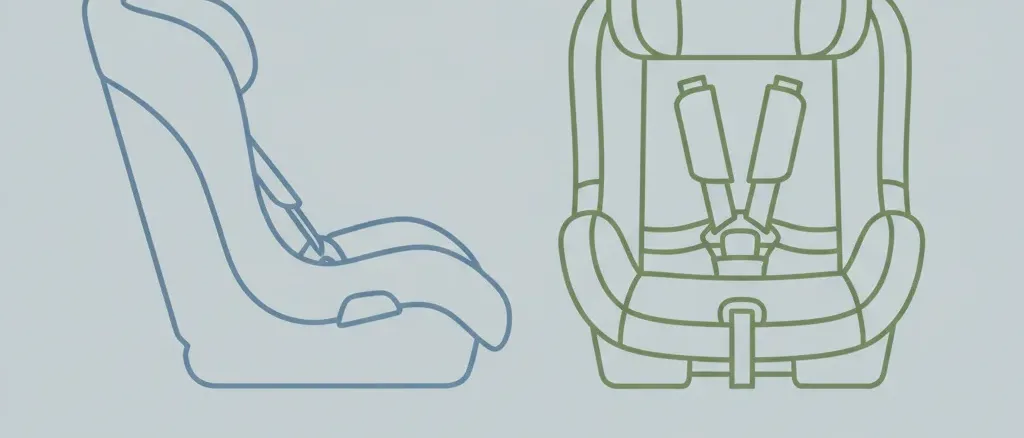
認知リスク
「できる限り長く後ろ向きに」は現代のチャイルドシート文化で最も繰り返される言葉の一つであり、それに付随する数字——後ろ向きシートは「五倍安全」——は子育てにおける最も定着した統計の一つである。一歳か二歳の子どもを早すぎる時期に前向きに切り替えることの体感的な帰結は、致命傷の確率の大きく具体的な跳ね上がりだ。親たちはこの節目の判断を、子どもの衝突保護の大部分を手放すことと思い描いている。この五倍という数字はシートのマーケティング、小児科の配布資料、子育てフォーラムで確定した事実として扱われており、それを繰り返す人々のうち、出典となった研究が正式に撤回されたことを知る者はほとんどいない。
概算: ほとんどの親は「早すぎる」前向き切り替えが死亡リスクを数倍にすると考えている——「5倍安全」という数字がその基準点になっている
出典: 編集部の直感(調査に基づかない)
実際のリスク
乗用車乗員として死亡した米国の子ども137人(1〜3歳、2022年)
乗用車の乗員として乗車する米国の1〜3歳児
計算を表示
対象範囲は1〜3歳の期間における米国の幼児であり、米国成人の生涯ではない。NHTSAのTraffic Safety Facts(2022年・子ども編)によれば、死亡した子どもの乗用車乗員756人のうち、137人が1〜3歳の子どもだった——乗員のみの集計である。これは1〜3歳の全交通死者約211人とは別物で、そちらには子どもの歩行者と自転車乗車中の死者も含まれるため、乗員数として使ってはならない(起こりやすく影響の大きい取り違えである)。米国の1〜3歳児人口およそ11百万人(三つの単年出生コホート、各3.6〜3.7百万人程度)に対して、年間137人の乗員死亡は年間100,000人あたり約1.25人に相当する。三年間の期間にわたり複利で見ると(1 - (1 - 1.245e-5)^3 ≈ 3.74e-5)、一歳の誕生日から四歳の誕生日までの間に幼児一人が車の乗員として死亡する確率はおよそ27,000分の1となる。これは座席の向きにかかわらない幼児の乗員死亡の絶対的な基準値であり、後ろ向きか前向きかという判断がそれをどれだけ動かすかは、米国の実地事故データでは信頼できる形で定量化できない(注意事項を参照)。不確実性の幅は、正しく拘束されたベストプラクティスの下限(約50,000分の1)と、拘束なし・不適切な拘束の上限(約10,000分の1)を挟むように取っている。
注意事項: この項目は、後ろ向き対前向きの「差分」ではなく、幼児の乗員死亡の「絶対」リスクを意図的に見出しに据えている。その差分は米国の実地データから誠実に定量化できないか…
この項目は、後ろ向き対前向きの「差分」ではなく、幼児の乗員死亡の「絶対」リスクを意図的に見出しに据えている。その差分は米国の実地データから誠実に定量化できないからだ。数字に関する二つの罠を明示しておく価値がある。見出しは乗員死亡137人(1〜3歳、2022年)を用いており、より大きい約211人という全交通の集計(子どもの歩行者や自転車利用者も含む)ではない。また「後ろ向きは五倍安全」という数字はHenaryら(Injury Prevention 2007)に由来し、この論文は正式に撤回された。同じ研究グループは2017年に更新版の評価(McMurry、Bull、Arbogast)を発表し、後ろ向きの子どもは方向性としては安全だが統計的には有意でないことを見いだし、「この安全上の利益に特定の数値を結びつけることはできない」と明言した。Andersonら(2019)はその理由を示している。拘束されていた死亡事例の63.3%で拘束の向きが記録されておらず、米国の事故統計では後ろ向き対前向きの死亡率の比をそもそも算出できないのだ。そのため、ここでは向きに関する倍率を一切割り当てていない。割り当てれば、証拠が持たない精度を捏造することになる。効果の方向性に異論はない。AAP、NHTSA、生体力学およびそり試験の研究はいずれも、シートが許す限り子どもを後ろ向きにしておくことを支持しており、2018年のAAP方針はまさにそれを推奨している(厳格な2歳という節目を撤廃し「できる限り長く」に置き換えた)。争点はその大きさであり、誠実な答えは「実在するが実地では測定されていない」である。測定可能な保護は別の場所にある。そもそもシートを使うこと(拘束なしでは死亡率約2.9倍)、正しく設置して正しく使うこと(AAP:正しいシートで最大71%の死亡低減、一方で推定約80%のシートが誤って設置・使用されている)、運転者のシートベルト着用、そして前席より後席(独立に裏付けられているが控えめな効果で、ここで倍率として挙げる閾値未満)である。対象範囲は乗用車乗員としての米国の1〜3歳の幼児であり、この数字は子どもの歩行者と自転車利用者を除外している。向きによる限界的な利益は、方向性としては保護的だが信頼できる推定は不可能なものとして扱う。
リスクはどう変わるか
見出しの数値は大きく異なる状況の平均です。シナリオや文脈による確率の違いは以下の通りです:
50,000分の1
Lower bound: a correctly installed and used child seat with a belted driver puts a toddler near the bottom of the band. AAP puts correct-seat death reduction at up to 71% versus no restraint.
26,738分の1
The great majority of US children ages 1-3 are restrained on any given trip, so the population baseline sits close to, but slightly above, the best-practice floor.
10,000分の1
Upper bound: FARS records nearly triple the mortality (40.0% vs 13.7%) for unrestrained versus restrained toddlers in fatal crashes. 26% of the ages-1-3 occupant deaths with known restraint status involved an unrestrained child.
バーの長さと濃淡は、これらのシナリオを他のリスクとではなく、互いに比較して順位付けしたものです。正確な確率は各項目の横に表示されています。
関連するリスク
似たテーマの他のリスク — 関連する不安を探るために。






比較対象を選択
NHTSA(米国運輸省道路交通安全局)の「Traffic Safety Facts」によると、2022年に乗用車の乗員として死亡した米国の子ども756人のうち、137人が1歳から3歳のよちよち歩きの幼児だった。この年齢層の米国の子どもはおよそ1100万人おり、それに対して計算すると、1歳の誕生日から4歳の誕生日までの3年間で、一人の幼児が車の乗員として死亡する確率はおよそ27,000分の1という規模になる。この数字には注意が必要だ。世間で語られる「1〜3歳で約211人死亡」というより大きな数字は全交通事故の集計であり、歩行者や自転車に乗っていた子どもも含まれている。これはチャイルドシートが対処する「乗員としてのリスク」ではない。自動車は米国の子どもの負傷死の主要な原因の一つではあるが、子ども1人・1年あたりの乗員死亡率は低く、NHTSAの記録によれば、拘束状態が判明している1〜3歳の乗員死亡のうち**26%**は、そもそもシートベルトやチャイルドシートで固定されていなかった子どもが関わっていた。ほとんどの死亡例と生存例を分けているのは、座席の向きという細かい問題ではなく、拘束されていたかどうかである。
しかし、実際に親たちが心に留めている数字は、この絶対リスクではない。「後ろ向きは5倍安全」という言葉であり、この数字には知っておくべき経緯がある。これは2007年にHenaryらがInjury Prevention誌に発表した研究に由来し、この研究が「2歳まで後ろ向き」というルールの証拠上の背骨となった。2017年、同じ研究グループが更新版の評価を発表し、分析をやり直したが再現できなかった。後ろ向きの子どもは方向性としては依然として安全に見えたものの、その差はもはや統計的有意性に達しておらず、著者らは「この安全上の利益に特定の数値を結びつけることはできない」とはっきり述べた。元の論文は正式に撤回された。Andersonらは2019年、この特定の問題について現場データがいかに乏しいかを示した。2008年から2015年の致死事故における後部座席のよちよち歩きの幼児と乳児4,966人のうち、拘束されていた事例の**63.3%**で、拘束の向き(後ろ向きか前向きか)そのものが記録されていなかったのだ。米国の事故統計は、後ろ向きと前向きの比率を出すことができない。なぜなら、そもそもほとんどの場合、向きが記録されていなかったからである。
だからといって、この推奨事項が間違っているわけではない。効果の方向性自体には異論がない。衝突の生体力学、そりを使った衝突試験、スカンジナビアの現場データはすべて同じ方向を指しており、2018年の米国小児科学会(AAP)の方針は今も、子どもを「できる限り長く」後ろ向きにしておくよう家庭に勧めている。厳格な「2歳」という節目を撤廃したのは、まさに体重と身長による制限のほうが優れたルールだからだ。変わったのは、その効果の大きさに関する誠実さである。後ろ向きをより長く続けることは低コストで、動機も十分にあり、普遍的に推奨されるが、「5倍」という数字は撤回された研究の遺物であって、測定された事実ではない。Likelierがこの項目を「論破された」ではなくキャリブレーション済みとタグ付けしているのはそのためだ。測定可能な保護効果は、誰も異論を唱えない部分にある。すなわち、そもそもチャイルドシートを使うこと(FARSのデータではおよそ2.9倍の死亡率低下と結びつけられている)、正しく設置し正しく使うこと(AAPはこれを最大**71%**の死亡リスク低減に結びつけているが、推定で5台に4台のシートが誤用されている)、運転者がシートベルトを締めていること、そして前部座席より後部座席に座らせることだ。座席の向きという判断は現実に意味があり、正しく行う価値があるが、それはすでに小さいこの数字の中の、未だ数値化されていない小さな一部分にすぎず、都市伝説が語るような五倍の断崖絶壁ではない。
関連する豆知識
「後ろ向きは5倍安全」というチャイルドシートの統計は2007年の研究に由来するが、その研究は正式に撤回されており、再分析では有意な差は見られなかった。米国のよちよち歩きの幼児が車の乗員として死亡する確率はおよそ27,000分の1である。後ろ向きは依然として推奨されているが、その数字を根拠にしたものではない。
根拠台帳
以下の各数値は各出典が報告した内容であり、引用した原文の抜粋と算出方法を記載しています。リンクをクリックして直接確認できます。
4/4 件の出典が引用元と一字一句一致することを独立して検証済み
-
[1] NHTSA, National Center for Statistics and Analysis — Traffic Safety Facts 2022 Data: Children 検証済み
Traffic Safety Facts 2022 Data: Children- 統計値
137 US children ages 1-3 killed as passenger-vehicle occupants in 2022 (of 756 total child occupants killed); among ages 1-3 with known restraint, 33 of 126 (26%) were unrestrained- 抜粋
“"Of the 756 child passenger vehicle occupants killed, restraint use was known for 675, of whom 266 (39%) were unrestrained. [...] Of the 137 children 1 to 3 years old killed, restraint use was known for 126, of whom 33 (26%) were unrestrained." ”
- 出典データ
- 2024-06-01
- アクセス日
- 2026-07-07 · アーカイブ版
- 検証
- グラウンディング監査の際、抜粋を引用元から独立して再取得し、原文と一字一句一致することを確認しました。
- 計算過程
- The headline anchor. 137 occupant deaths (ages 1-3, 2022) is the occupant-only figure, deliberately used instead of the ~211 all-traffic ages-1-3 count (which includes pedestrians and pedalcyclists). 137 / ~11 million US children ages 1-3 ≈ 1.25e-5 per year, or about 3.74e-5 compounded across the three-year window (≈ 1 in 27,000). The 26% unrestrained-among-fatalities figure corroborates that restraint status, not seat orientation, is the dominant observable determinant of which toddlers die.
- 独立性
- NHTSA FARS is the underlying census for these occupant-fatality counts; the same census also feeds other government child-passenger summaries, so treat any of those as the same surveillance stream rather than an independent measurement.
-
[2] Injury Epidemiology — Anderson, Doud, Hamann et al. (2019) — Restraint use and injury in forward and rear-facing infants and toddlers involved in a fatal motor vehicle crash on a US Roadway 検証済み
Restraint use and injury in forward and rear-facing infants and toddlers involved in a fatal motor vehicle crash on a US Roadway- 統計値
FARS 2008-2015, 4,966 rear-seated infants/toddlers under 2; mortality 40.0% unrestrained vs 13.7% restrained (p<0.0001); restraint direction unrecorded in 63.3% of restrained records- 抜粋
“"Mortality was nearly triple in unrestrained passengers compared to restrained passengers (40.0% vs 13.7%, p < 0.0001). [...] Rear-facing restraint use increased from 5.0% to 23.2% between 2008 and 2015 (P < 0.0001). [...] More than half (63.3%) of the records for 4242 restrained children did not specify whether they were in a forward-facing or rear-facing restraint system." ”
- 出典データ
- 2019-07-01
- アクセス日
- 2026-07-07 · アーカイブ版
- 検証
- グラウンディング監査の際、抜粋を引用元から独立して再取得し、原文と一字一句一致することを確認しました。
- 計算過程
- Source for the restraint personal-factor multiplier: 40.0% mortality unrestrained / 13.7% restrained ≈ 2.9x. Also the empirical basis for the caveat that US field crash data cannot resolve a rear-vs-forward mortality ratio — direction of restraint is not recorded in 63.3% of the restrained cases, so any precise orientation multiplier from US field data is unsupported.
- 独立性
- Uses FARS, the same census underlying the NHTSA occupant counts, but answers a different question (restraint status and direction among fatal crashes) with its own coding, so it functions as a complementary analytic stream rather than a duplicate count.
-
[3] Center for Injury Research and Prevention, Children's Hospital of Philadelphia (CHOP) — New Evidence Supports Children Under 2 are Safest Riding Rear-Facing 検証済み
New Evidence Supports Children Under 2 are Safest Riding Rear-Facing- 統計値
The 2017 updated assessment (McMurry, Bull, Arbogast) found rear-facing children had a lower injury rate than forward-facing but could not reach statistical significance; 'we cannot associate a specific number or figure to that safety benefit'- 抜粋
“"While these data suggest that children are indeed safer riding rear-facing and align with other research in this area, we cannot associate a specific number or figure to that safety benefit. [...] The best practice recommendation from the AAP remains that children should ride in RFCRS until at least age 2 or they have outgrown the height or weight limits for their RFCRS." ”
- 出典データ
- 2017-12-01
- アクセス日
- 2026-07-07 · アーカイブ版
- 検証
- グラウンディング監査の際、抜粋を引用元から独立して再取得し、原文と一字一句一致することを確認しました。
- 計算過程
- Not used in the arithmetic. This is the source for the entry's central honesty point: the "five times safer" figure comes from Henary et al. (Injury Prevention 2007), which was formally retracted (PubMed retraction record 29374082) and replaced by this group's 2017 updated assessment (Injury Prevention, doi 10.1136/injuryprev-2017-042512). The reanalysis found rear-facing directionally safer but statistically non-significant in the available NASS-CDS field data, which is why no orientation multiplier is assigned.
- 独立性
- CHOP CIRP is the research center that authored both the retracted 2007 study and the 2017 reanalysis; this writeup summarizes the peer-reviewed reanalysis (Injury Prevention 2017) whose full text sits behind a paywall. Cited as the accessible authoritative summary of that paper.
-
[4] American Academy of Family Physicians (AAFP), summarizing AAP Pediatrics 2018 policy — AAP Updates Car Safety Seat Recommendations for Children 検証済み
AAP Updates Car Safety Seat Recommendations for Children- 統計値
AAP 2018 policy: rear-facing 'as long as possible' (age-2 milestone dropped); a correctly installed and used safety seat can reduce risk of death by as much as 71%; ~80% of car seats are used or installed incorrectly- 抜粋
“"All infants and toddlers should ride in a rear-facing car safety seat as long as possible, until they reach the highest weight or height allowed by the seat's manufacturer. [...] a correctly installed and used safety seat can reduce the risk of death in infants and toddlers by as much as 71 percent. [...] about 80 percent of all car safety seats are actually used or installed incorrectly." ”
- 出典データ
- 2018-09-21
- アクセス日
- 2026-07-07 · アーカイブ版
- 検証
- グラウンディング監査の際、抜粋を引用元から独立して再取得し、原文と一字一句一致することを確認しました。
- 計算過程
- Source for the surviving recommendation (rear-facing as long as possible), the restraint-effectiveness magnitude (up to 71% death reduction for a correctly used seat versus none), and the ~80%-of-seats-misused figure. The 71% is a restraint-versus-no-restraint figure, not a rear-versus-forward figure — it corroborates that the large, measurable protection is in using and installing a seat correctly, not in the orientation milestone. Summarizes AAP policy statement Pediatrics 2018;142(5):e20182460.
- 独立性
- AAFP is relaying the AAP Pediatrics 2018 policy statement; treat as the pediatric-policy citation, independent of the FARS/NHTSA crash census but not itself a primary field measurement.