証拠の質 4.5/5
8次元のレビュー評価。基準は 品質ルーブリック 。各次元は1〜5で評価。
- D1 出典への根拠
- 5/5
- D2 出典の権威性
- 5/5
- D3 算術
- 4/5
- D4 不確実性
- 4/5
- D5 範囲
- 4/5
- D6 文章
- 5/5
- D7 認識の誠実性
- 4/5
- D8 注意事項の完全性
- 5/5
● あなたの要因 — このリスクをクリック ▾ して表示
- あなたの要因
≈ 同じくらいの確率
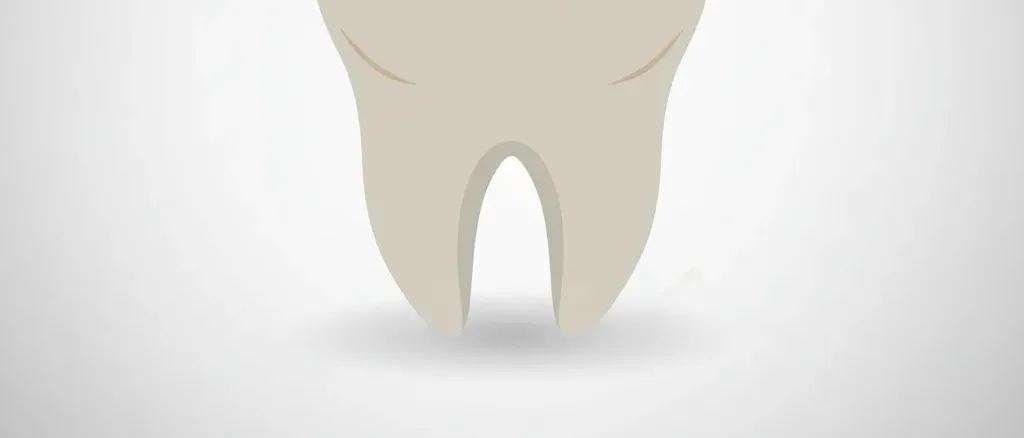
認知リスク
歯ぎしり(ブラキシズム)には鮮明な世間のイメージがつきまといます。顎の痛みとともに目覚める朝、摩耗した咬頭を指し示す歯科医、迫り来る歯の喪失に対する必須の鎧として提示されるナイトガード。この状態は、眠っている間に自覚なく起こる睡眠時ブラキシズムと、集中やストレスに結びついた日中の食いしばり習慣である覚醒時ブラキシズムに分かれます。ブラキシズムをめぐる文化的なメッセージはほぼ例外なく煽動的です。放置すれば、歯ぎしりはエナメル質を削って歯を根元だけにし、クラウンを破折させ、顎関節を破壊する、というものです。この恐怖は睡眠時ブラキシズムの不可視性によって増幅されます。歯ぎしりをしている人のほとんどはそれが起きていることを感じ取れないため、想像上の損傷は制御不能で毎晩蓄積していくように感じられるのです。
概算: ほとんどの成人は、未治療のブラキシズムが歯と関節を進行性に破壊すると信じている
出典: 編集部の直感(調査に基づかない)
実際のリスク
成人の約12.8%が頻繁な睡眠時ブラキシズムを報告(系統的レビュー)
一般成人人口、国際
計算を表示
ネイティブの数字(12.8% ± 3.1%)は、Manfrediniらの2013年の集団研究の系統的レビューによる、成人における頻繁な睡眠時ブラキシズムの時点有病率です。2024年の世界的メタ分析(Zielińskiら)は、より広い診断基準を適用した場合の成人の睡眠時ブラキシズム有病率を21%としています。臨床レベルの睡眠時ブラキシズムを生涯で一度でも経験するリスクは、横断的な有病率よりやや高くなります。ブラキシズムは加齢とともに減少する傾向があり(若年成人でピーク)、単一の測定時点で影響を受けている人よりも多くの人が生涯のうちにこの状態を通過するためです。中心推定値の0.13は、Manfrediniのより狭い定義(質問票による頻繁なブラキシズム)を反映しており、これは歯の損傷リスクにとってより臨床的に意味のある閾値です。これは重度の歯の損傷を経験する確率を表すものではありません。その条件付き確率は不確かで、個人差が非常に大きいものです。これは、リスクが高まる程度に歯ぎしりをしている集団に属する確率を表しています。
注意事項: 正規化された数字は睡眠時ブラキシズムの有病率(曝露)を表すものであり、臨床的に重大な歯の損傷(転帰)の確率ではありません。この両者は同じものではありません。ブラ…
正規化された数字は睡眠時ブラキシズムの有病率(曝露)を表すものであり、臨床的に重大な歯の損傷(転帰)の確率ではありません。この両者は同じものではありません。ブラキシズムと歯の摩耗の関係は正真正銘、不確かです。2024年の30件の研究のスコーピングレビューは、客観的に測定されたブラキシズムと歯の摩耗との間に、大半で弱いまたはヌルの関連しか見出しませんでした。より強固な知見は顎関節症(TMD)との関連(OR 2.25)ですが、そこでも因果は双方向に走ります。TMDの痛みが食いしばり行動を誘発しうるため、横断データでは原因と結果を切り分けるのが困難です。有病率の推定値は、ブラキシズムを質問票の自己報告、臨床診察、睡眠ポリグラフのどれで定義するかによって大きく変動します(8%から31%)。ほとんどの研究は自己報告を用いており、確定的ブラキシズムを過大評価します。夜間の発現(睡眠時ブラキシズム)は、ベッドパートナーやモニタリング機器がなければ定義上観察不可能であり、固有の測定不確実性を生みます。ブラキシズムは加齢とともに減少する傾向があるため、曝露の負担は若年成人に偏ります。一部の研究では女性の率がわずかに高くなっています。ストレス、睡眠障害、カフェイン、特定の薬剤(SSRI、精神刺激薬)は関連するリスク要因ですが、いずれについても因果関係は確立されていません。
関連するリスク
似たテーマの他のリスク — 関連する不安を探るために。






比較対象を選択
米国の成人の約13%が臨床的に重要な頻度で睡眠中に歯ぎしりをしており、おそらく4人に1人が覚醒時に歯を食いしばっています。この状態が過度な不安を引き起こしやすいのは、睡眠時ブラキシズムは定義上見えないという点と、歯の摩耗面は歯科医が観察して劇的に描写しやすいという点が部分的に関係しています。一般的な思考モデルは直線的です。歯ぎしりはエナメル質の浸食につながり、エナメル質の浸食は知覚過敏や骨折につながり、骨折はクラウン、根管治療、最終的にはインプラントへとつながる、というものです。この進行は機序的には妥当ですが、集団レベルのエビデンスが確実に示すものではありません。
最も明確なアウトカムデータはブラキシズムを顎関節症と結びつけており、歯の破壊と直接結びつけているわけではありません。2023年の20件の研究に関する系統的レビューとメタ分析では、ブラキシズムが顎関節症の発症リスクをおよそ2倍にすること(OR 2.25)が示されており、覚醒時ブラキシズムは睡眠時ブラキシズム(OR 2.06)よりもわずかに高い関連性(OR 2.51)を示しています。顎関節症には顎の痛み、クリック音、開口制限、筋肉の圧痛が含まれ、米国成人の約5%がある時点でこの状態に悩む実際の慢性的な疾患です。ブラキシズムが確認された人では、その基礎リスクがおよそ2倍になります。歯の摩耗については、状況がより不明確です。2024年の30件の研究に関するスコーピングレビューでは、客観的に測定されたブラキシズムと歯の摩耗の重症度との間に有意な関連がないか弱い関連しかないことを報告した研究が大半を占め、臨床医は歯の摩耗だけからブラキシズムを推測すべきではないと特に警告しています。なぜなら、臨床集団ではこの2つが頻繁に解離するからです。
一般的な恐怖感(歯ぎしり=歯の破壊)と研究上の知見(ブラキシズムは顎関節症のリスクを確実に高めるが、歯の摩耗をほとんど予測しない)の乖離は、機序的推論が縦断的エビデンスを上回るという歯科医療における広いパターンを反映しています。歯の摩耗は多因子的です。食事や逆流による酸侵食、咬合力による咬耗、口腔衛生習慣による摩耗が独立かつ相互作用的に寄与しています。酸性飲料を避け、良好な咬合を維持する歯ぎしりのある人は、数十年後でも最小限の摩耗しか見せない可能性があります。一方、慢性的な逆流のある歯ぎしりのない人は重度の侵食を示す可能性があります。マウスガードは確認された歯ぎしりをする人へのハームリダクションデバイスとして広く処方され合理的ですが、集団レベルで長期的な構造的歯の損傷を防ぐというエビデンスは薄いです。この状態は現実のものであり、不快感も現実であり、顎関節症との関連も現実です。しかし、歯を失うという想像された軌跡は十分に支持されていません。
関連する豆知識
米国の成人の約13%が、ある時点で睡眠時の歯ぎしりを抱えている。未治療の歯ぎしりが歯と顎関節を徐々に壊すという不安が一般的だが、多くの人では摩耗は緩やかで、破局には遠く及ばない。
根拠台帳
以下の各数値は各出典が報告した内容であり、引用した原文の抜粋と算出方法を記載しています。リンクをクリックして直接確認できます。
4/4 件の出典が引用元と一字一句一致することを独立して検証済み
-
[1] Journal of Oral & Facial Pain and Headache — Epidemiology of Bruxism in Adults: A Systematic Review of the Literature 検証済み
Epidemiology of Bruxism in Adults: A Systematic Review of the Literature- 統計値
Sleep bruxism prevalence in adults: 12.8% ± 3.1% across studies using questionnaire-based frequent-bruxism criteria- 抜粋
“"prevalence of sleep bruxism was found to be more consistent across the three studies investigating the report of 'frequent' bruxism (12.8% ± 3.1%)." ”
- 出典データ
- 2013-04-01
- アクセス日
- 2026-05-09 · アーカイブ版
- 検証
- グラウンディング監査の際、抜粋を引用元から独立して再取得し、原文と一字一句一致することを確認しました。
- 計算過程
- Manfredini et al. systematically reviewed population-level bruxism studies using questionnaires, clinical assessment, polysomnography (PSG), and electromyography (EMG). For sleep bruxism, three studies using "frequent" bruxism criteria yielded a mean prevalence of 12.8% (SD ±3.1%). This is the most cited and methodologically rigorous pre-2020 estimate. The authors cautioned that findings must be interpreted with caution due to reliance on self-report. The 12.8% figure is used as the native denominator basis: 128 out of 1,000 adults have sleep bruxism at a clinically relevant frequency. This is a cross-sectional prevalence, not a per-year incidence or lifetime risk; the normalized lifetime figure is estimated slightly higher at 0.13 given that bruxism peaks in younger adults and more individuals pass through it over a lifetime than are affected at any single point.
-
[2] Journal of Clinical Medicine — Global Prevalence of Sleep Bruxism and Awake Bruxism in Pediatric and Adult Populations: A Systematic Review and Meta-Analysis 検証済み
Global Prevalence of Sleep Bruxism and Awake Bruxism in Pediatric and Adult Populations: A Systematic Review and Meta-Analysis- 統計値
Global sleep bruxism prevalence 21% (all adults); awake bruxism 23%; nearly one in four individuals may experience awake bruxism- 抜粋
“"The global sleep bruxism prevalence is 21% ... nearly one in four individuals may experience awake bruxism." ”
- 出典データ
- 2024-07-22
- アクセス日
- 2026-05-09 · アーカイブ版
- 検証
- グラウンディング監査の際、抜粋を引用元から独立して再取得し、原文と一字一句一致することを確認しました。
- 計算過程
- Zieliński, Pająk, and Wójcicki analyzed 176 populations from 170 publications. The global sleep bruxism prevalence of 21% uses broader diagnostic criteria than Manfredini's "frequent" threshold, which explains the higher estimate. Adult female sleep bruxism was 15%; adult male 8%. This study sets the upper bound of the uncertainty range (0.21). The lower bound of 0.08 is grounded in the narrower Manfredini estimate minus one SD (12.8% − 3.1% ≈ 9.7%, rounded to 0.08 conservatively for the minimum clinically significant frequency). The 2024 figure serves as corroboration that the Manfredini estimate is not inflated; if anything, the narrower criteria undercount total exposure.
- 独立性
- Independent meta-analysis by Polish research team; does not reuse the same primary studies as Manfredini 2013 (different search window and inclusion criteria).
-
[3] Evidence-Based Dentistry — Is bruxism associated with temporomandibular joint disorders? A systematic review and meta-analysis 検証済み
Is bruxism associated with temporomandibular joint disorders? A systematic review and meta-analysis- 統計値
Bruxism increases odds of TMD by 2.25x (OR 2.25, 95% CI 1.94–2.56); sleep bruxism OR 2.06, awake bruxism OR 2.51- 抜粋
“"The available data demonstrate a positive relationship between bruxism and TMD, with the presence of bruxism increasing the odds of TMD by 2.25 times (OR = 2.25, 95% CI (1.94-2.56))" ”
- 出典データ
- 2023-07-19
- アクセス日
- 2026-05-09 · アーカイブ版
- 検証
- グラウンディング監査の際、抜粋を引用元から独立して再取得し、原文と一字一句一致することを確認しました。
- 計算過程
- Mortazavi et al. conducted a systematic review and meta-analysis of 20 studies examining the bruxism-TMD association. The overall OR of 2.25 is the most statistically robust finding linking bruxism to a measurable clinical outcome. Sleep bruxism OR = 2.06; awake bruxism OR = 2.51. With baseline US adult TMD prevalence of approximately 5% (NCBI Bookshelf 2020), a 2.25-fold elevation implies a conditional risk of roughly 10-11% for bruxers — compared to ~5% for non-bruxers. The authors note that causality remains debated and that reverse causation (TMD pain driving bruxism) cannot be excluded from cross-sectional data.
- 独立性
- This is an independent meta-analysis from a different research group than Manfredini and Zieliński; the three sources triangulate bruxism prevalence and its TMD consequence from separate methodological perspectives.
-
[4] Journal of Dentistry — Tooth wear and bruxism: A scoping review 検証済み
Tooth wear and bruxism: A scoping review- 統計値
Most studies found no or weak associations between tooth wear and bruxism; clinicians should not infer bruxism from tooth wear alone- 抜粋
“"Most studies reported no or weak associations between tooth wear and bruxism, except for the studies done on cervical tooth wear ... Dental clinicians should not infer bruxism activity solely on the presence of tooth wear." ”
- 出典データ
- 2024-03-01
- アクセス日
- 2026-05-09 · アーカイブ版
- 検証
- グラウンディング監査の際、抜粋を引用元から独立して再取得し、原文と一字一句一致することを確認しました。
- 計算過程
- Bronkhorst et al. reviewed 30 publications on the bruxism-tooth wear relationship. 90% were cross-sectional. The review found inconclusive results: most studies reported no or weak statistical associations between objectively measured bruxism and tooth wear severity. Studies relying on self-reported bruxism showed associations more often than those using instrumental (PSG/EMG) confirmation. This finding is load-bearing for the caveats: it means the popular assumption that bruxism reliably erodes teeth is not supported by rigorous evidence, and the feared outcome (progressive enamel destruction) cannot be quantified reliably at the population level. This is why the normalized figure represents bruxism prevalence (the exposure), not tooth damage incidence (the outcome), which cannot be cleanly estimated from existing data.
- 独立性
- Scoping review led by Bronkhorst et al. at Radboud University; independent of the Manfredini, Zieliński, and Mortazavi research groups.