証拠の質 4.13/5
8次元のレビュー評価。基準は 品質ルーブリック 。各次元は1〜5で評価。
- D1 出典への根拠
- 4/5
- D2 出典の権威性
- 4/5
- D3 算術
- 4/5
- D4 不確実性
- 4/5
- D5 範囲
- 5/5
- D6 文章
- 4/5
- D7 認識の誠実性
- 3/5
- D8 注意事項の完全性
- 5/5
● あなたの要因 — このリスクをクリック ▾ して表示
- あなたの要因
認知リスク
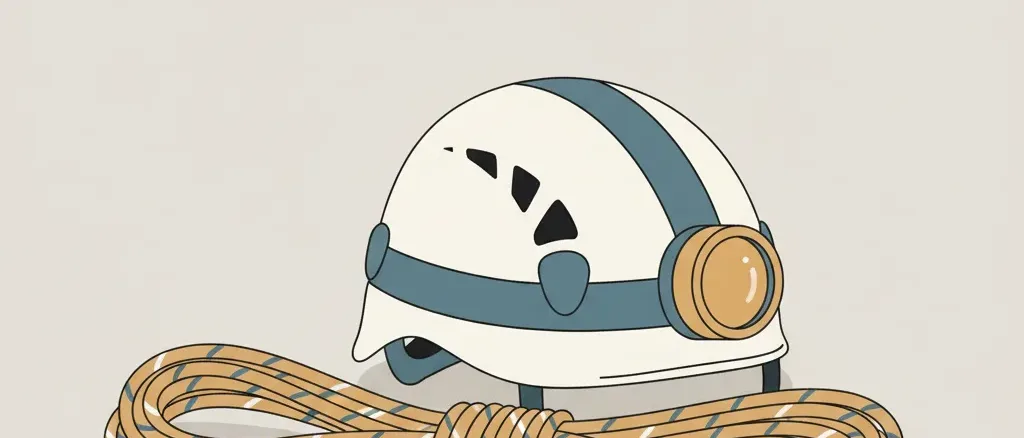
ケイビングについての世間の直感は、死亡率のプロファイルが大きく異なる2つの活動を混同している。ドライ・ケイビング——本エントリの見出しが対象とする範囲——は、NSS 系の典型的なレクリエーション活動(水平洞窟の探検、既知の洞窟システムでの垂直ロープワーク、組織化されたグロットのトリップ)である。ケイブ・ダイビングは、技術的に熟練したケイバーのごく少数が行うサブ専門分野であり、人間が行うレクリエーション活動の中で最も致死的なものの一つである。報道やドキュメンタリー(2009年のナッティ・パティ、2018年のタムルアン、フロリダの陥没泉でのレクリエーション・ケイブダイビング死亡事故)が一般の人々の想像の中で両者の境界をぼかしてしまい、ほとんどの観察者はドライ・ケイビングのキャリアリスクを実際の率よりかなり高く見積もる。ケイビングの死亡確率に対する米国の世間認識を切り分けた大規模調査は存在せず、本エントリは編集上の直感を用いている。
概算: ほとんどの人はドライ・ケイビングのキャリアリスクを過大評価し、ケイブ・ダイビングとの差を過小評価している可能性が高い
出典: 編集部の直感(調査に基づかない)
実際のリスク
NSS 系の活動的ケイバー100,000人あたり年間約30人の死亡(米国、1980–2008年 NSS ACA データセット)
米国の NSS 系の活動的なレクリエーション・ケイバー、1980-2008年(NSS American Caving Accidents データセット)
計算を表示
Wilderness and Environmental Medicine 誌の Stella-Watts et al. 2012 の研究は、NSS の American Caving Accidents 報告の28年分(1980-2008年)を分析し、米国全体で81件のケイビング死亡を特定した。年平均でおよそ3件の死亡である。分母はその期間の米国の活動的なケイビング人口である。NSS の会員数は2000年代と2010年代の大半で8,000-10,000人の範囲と報告されており、より広い米国の活動的ケイビング・コミュニティ(NSS 系グロット会員に加え、無所属で頻繁に洞窟に入るケイバー)は10,000-15,000人の範囲にあると考えるのが妥当である。年間に洞窟を訪れる2百万人の米国人は、その圧倒的多数が整備された歩道を歩く商業ツアーの来訪者(マンモス・ケイブ、カールズバッド洞窟群、ルーレイ洞窟)であり、キャリアリスクに関わるワイルドケイビングの意味での「活動的なレクリエーション・ケイバー」には当たらない。作業用の分母として活動的ケイバー10,000人を用いると、年間死亡率は活動的ケイバー100,000人あたり年およそ30人(3/10,000 = 0.0003)となる。20年のケイビング・キャリアにわたる累積確率は 1 − (1 − 0.0003)^20 ≈ 0.006、すなわちおよそ167分の1。分子側から計算しても(28年間で81人の死亡 = 81 / (28 × 10,000) = 100,000人年あたり28.9人)実質的に同じである。ケイブ・ダイビングの死亡は見出しから除外している。率の差が十分に大きく別扱いに値するため、personal_factor_multipliers で扱っている。
注意事項: 見出しの率は、「活動的な米国のケイバー」として選ぶ分母に敏感である。NSS の会員数は過去20年ほど8,000-10,000人前後で推移してきたが、活動的な米国…
見出しの率は、「活動的な米国のケイバー」として選ぶ分母に敏感である。NSS の会員数は過去20年ほど8,000-10,000人前後で推移してきたが、活動的な米国のケイバーの全員が NSS 会員というわけではなく、NSS 会員の全員が現在もフィールドでのケイビングを活発に行っているわけでもない。擁護可能な作業用分母である活動的ケイバー10,000人を用いると、見出しの率は100,000人あたり年およそ30人となる。8,000人を用いれば率は100,000人あたり約37人に上がり(20年キャリア ≈ 0.74%、およそ135分の1)、15,000人を用いれば100,000人あたり約20人に下がる(20年キャリア ≈ 0.40%、およそ250分の1)。不確実性の幅(0.4%-0.75%)はこの範囲を捉えている。年間に洞窟を訪れる2百万人の米国人は、主に整備された歩道を歩く商業ツアーの来訪者であり、この分母から意図的に除外している。彼らを混ぜれば率は桁違いに人工的に薄まり、問いが尋ねている内容ではなくなる。ケイブ・ダイビングは見出しの範囲から除外し、personal_factor_multiplier として扱っている。ドライか水中かの二分は、ケイビングの死亡リスクにおける単一で最も重要な要因であり、平均に均すのではなく明示的に取り上げている。Stella-Watts のデータセット(1980-2008年)は最新の包括的な疫学的統合である。より新しい NSS ACA 報告(2009-2010年、2017-2018年、2019-2020年)は年間死亡数が引き続き一桁台前半で概ね同水準であることを示唆しているが、更新された査読済み分析は公表されていない。20年キャリアという仮定は、最もよく引用されるケイバーの活動期間に合わせたものである。60代や70代まで続けるケイバーは比例的により高い累積リスクを蓄積し、数年で辞める人の蓄積はより少ない。キャリア水準の率はトリップ水準の強度も捉えていない。年50回のトリップを行うケイバーは年5回の人より速く曝露を蓄積するが、ここで用いた年あたりの死亡率はこれらの強度を暗黙に平均している。
関連するリスク
似たテーマの他のリスク — 関連する不安を探るために。




比較対象を選択
レクリエーションのドライ・ケイビングは、その地下評判が示唆するよりもはるかに致死性が低い。最も包括的な疫学的統合 — Stella-Watts らによる Wilderness and Environmental Medicine (2012) — は、ナショナル・スペレオロジカル・ソサエティ(NSS)の American Caving Accidents 報告の 28 年分(1980–2008 年)を分析し、米国ケイビング・コミュニティ全体で 81 件の死亡を記録した。これは年平均約3 件の死亡にあたる。NSS に所属する活動的なケイバー人口およそ 8,000~10,000 人に対して、年間死亡率は約活動的ケイバー 10 万人あたり年 30 人、つまりおおよそ20 年のケイビングキャリアにわたって 0.6 % — 約 167 分の 1 となる。これは、米国成人が一生のうちに自動車事故で死亡するリスク(約 1 %)よりも実質的に低く、商業漁業や林業のキャリアリスクよりおよそ 1 桁低い。ケイブ・ダイビングはまったく別の活動である:Potts、Buzzacott、Denoble(2016 年)による Diving and Hyperbaric Medicine の分析は、同じ時期に 161 件の米国ケイブ・ダイビング死亡を記録し、ドライ・ケイビングよりも18 ~ 30 倍高い推定率を示した。両者が地下で起きるため一般人の直感はこれらを混同しがちだが、組織化されたレクリエーションのドライ・ケイビングの安全記録は、極限スポーツよりもむしろアルパインハイキングに近い。
ドライケイブでの死亡が実際に発生する場合、メカニズムは集中している。Stella-Watts は、ケイバーの転落と溺死がそれぞれ 81 件の死亡の 30 % を占めることを示し、データセットを大まかに二分した:垂直ケイビングの事故(アンカーの破損、ラペル装置のエラー、保護されていない縁からの転落)と水路通路での事故(ストリームケイブでの鉄砲水、偵察中のサンプ水没、冷たい地下水への浸水後の低体温症)である。低体温症、迷子、落石が残りの大部分を占める。ケイブ・ダイビングの死亡は別個のパターンに従う:溺死による窒息で、ほぼ常にシルトアウトが視界喪失と出口ラインを見つけられない状態を引き起こした後、呼吸ガスが尽きることが先行する。メカニズムの違いは、根底にある活動の違いを反映している — ドライ・ケイバーは、テクニカル地形での登山家と同じ転落・低体温症・迷子の危険に直面するのに対し、ケイブ・ダイバーは、地表のレクリエーションには本質的に類似のない故障カテゴリー(光のない冠水通路での呼吸用空気の喪失)に直面する。
リスクは均等に分散するのではなく、識別可能なサブグループに集中する。Stella-Watts のデータセットでは、経験不足がドライ・ケイビング死亡の**32 %**に寄与し、犠牲者の 84 % は男性で、年齢のピーク帯は 20~29 歳だった — これは冒険レクリエーション疫学のほとんどに繰り返し現れる同じ人口統計学的パターンである。単独ケイビング、垂直ロープ技術(SRT)の探検、湿った通路やサンプへのいかなる進入も、ドライ水平のベースラインよりリスクを引き上げる。しかし、最大の決定要因はドライ対ウェットの二分化である:3 人以上のグループで、基本的な SRT 能力を持ち、サンプ進入なしに既知の地図化されたドライ・システムに限ってツアーを行うケイバーは、ヘッドラインの率を大きく下回るのに対し、ケイブ・ダイビング認定を追加するケイバーは、活動年あたりの死亡リスクが 20 ~ 30 倍に跳ね上がることを受け入れる。公的言説で「ケイビング」と「ケイブ・ダイビング」を混同することが、この活動を危険に感じさせる原因である;実際には、両者はほぼ別個のスポーツとしてモデル化し議論されるべきである。
関連する豆知識
趣味のドライケイビングの死亡リスクは、20年の探検キャリアでおよそ1 in 167です。見出しはこれを別の専門分野であるケイブダイビングと混同しがちですが、後者は人間が挑む最も致命的な活動の一つです。
根拠台帳
以下の各数値は各出典が報告した内容であり、引用した原文の抜粋と算出方法を記載しています。リンクをクリックして直接確認できます。
2/4 件の出典が引用元と一字一句一致することを独立して検証済み
-
[1] Wilderness and Environmental Medicine (PubMed) — The Epidemiology of Caving Injuries in the United States
The Epidemiology of Caving Injuries in the United States- 統計値
877 incident reports involving 1,356 cavers (1980-2008); 81 documented fatalities; falls and drowning each accounted for 30% of caver deaths- 抜粋
“"Over a 28-year period (1980-2008), 877 incident reports involving 1,356 cavers were documented by the National Speleological Society in American Caving Accidents. Of these, 81 caving fatalities occurred. Falls accounted for 74% of traumatic injuries; the most common mechanisms leading to death were caver fall and drowning, with 24 (30%) deaths each. Eighty-four percent of fatality victims were male; the peak age group was 20-29 years." ”
- 出典データ
- 2012-09-01
- アクセス日
- 2026-05-23 · アーカイブ版
- 計算過程
- Primary peer-reviewed source for the 81-deaths-over-28-years (≈3 per year) headline figure. The paper does not publish a per-100,000 rate because it lacks a formal denominator; the denominator used here (~10,000 NSS-affiliated active cavers) is derived from NSS membership figures published independently on caves.org. Combined: 81 deaths / (28 years × 10,000 cavers) ≈ 28.9 per 100,000 active-caver-years, rounded to 30/100,000 for the native display.
- 独立性
- Peer-reviewed analysis published in Wilderness and Environmental Medicine by Stella-Watts, Holstege, Lee, and Charlton at the University of Virginia. Methodologically independent of NSS itself — the authors are academic emergency-medicine researchers conducting epidemiological synthesis of the ACA dataset, not NSS staff.
-
[2] National Speleological Society — American Caving Accidents (NSS Annual Publication) 検証済み
American Caving Accidents (NSS Annual Publication)- 統計値
Annual journal of record for North American caving incidents and fatalities; NSS reports over 8,000 members- 抜粋
“"American Caving Accidents is the journal of record for accident and safety incident reports from the North American caving community. The National Speleological Society has over 8,000 Members and is the largest caving focused membership organization in the world." ”
- 出典データ
- 2025-01-01
- アクセス日
- 2026-05-23 · アーカイブ版
- 検証
- グラウンディング監査の際、抜粋を引用元から独立して再取得し、原文と一字一句一致することを確認しました。
- 計算過程
- Provides the denominator anchor: NSS member-reported >8,000 active members. The broader US active caver population is plausibly 10,000-15,000 once unaffiliated grotto-active cavers are included; this informs the uncertainty band (0.004-0.0075). NSS itself is the publisher of the underlying ACA incident dataset analyzed by Stella-Watts 2012, so numerator and denominator derive from related but distinct NSS data streams.
- 独立性
- Direct NSS organizational publication; provides the active-population denominator anchor that the peer-reviewed source (Stella-Watts 2012) does not formally publish. NSS membership counts are self-reported by the organization; cross-validated by Wikipedia (8,700-10,000 range across different reporting periods).
-
[3] Diving and Hyperbaric Medicine (PubMed) — Thirty years of American cave diving fatalities 検証済み
Thirty years of American cave diving fatalities- 統計値
161 US cave diving fatalities between July 1985 and June 2015 (30 years); average ~5.4 per year; trend declining from 8 per year to under 3 as training improved- 抜粋
“"Between July 1, 1985, and June 30, 2015, a total of 161 divers died during cave diving expeditions in the United States, with 67 being trained cave divers and 87 being untrained. The most common cause of death was asphyxia due to drowning, preceded by running out of breathing gas, usually after getting lost owing to a loss of visibility caused by suspended silt. The annual number of cave diving fatalities has steadily fallen over the last three decades, from eight to less than three." ”
- 出典データ
- 2016-09-01
- アクセス日
- 2026-05-23 · アーカイブ版
- 検証
- グラウンディング監査の際、抜粋を引用元から独立して再取得し、原文と一字一句一致することを確認しました。
- 計算過程
- Cave diving sub-speciality data, used for the personal_factor_multiplier analysis (not the headline). 161 deaths / 30 years = 5.37/year. Active US cave-diving population is much smaller than dry caving — the NSS Cave Diving Section (founded 1974) and PADI/TDI/NACD-certified active US cave divers number in the low thousands at most, with frequent estimates around 500-1,500 regularly active. Using 1,000 active cave divers: 5.37/1000 = 0.00537/year, or 537 per 100,000 per year — roughly 18-30 times the dry caving rate depending on which denominator is chosen. The 30× multiplier used in the personal_factor analysis is the conservative midpoint.
- 独立性
- Peer-reviewed cave-diving fatality analysis by Potts, Buzzacott, and Denoble from Divers Alert Network (DAN). Methodologically independent of the NSS caving-accidents dataset; cave-diving deaths are tracked by NSS-CDS, International Underwater Cave Rescue and Recovery (IUCRR), and DAN separately from terrestrial caving accidents.
-
[4] Wikipedia — Caving (Wikipedia)
Caving (Wikipedia)- 統計値
Cave diving is described as 'a distinct, and more hazardous, sub-speciality undertaken by a small minority of technically proficient cavers'- 抜粋
“"Caving is a fairly safe sport compared to other activities, although incidents do occur related to flooding, hypothermia, rockfalls, and rope-technique accidents. Cave diving is a distinct, and more hazardous, sub-speciality undertaken by a small minority of technically proficient cavers." ”
- 出典データ
- 2026-05-01
- アクセス日
- 2026-05-23 · アーカイブ版
- 計算過程
- Supporting reference establishing the editorial framing — dry caving as the typical recreational activity, cave diving as a distinct sub-speciality with a separate (higher) risk profile. Not used to derive headline numbers.
- 独立性
- Encyclopedia entry; supplementary context only. The headline arithmetic and the cave-diving multiplier are both grounded in peer-reviewed sources (Stella-Watts 2012, Potts 2016).