証拠の質 4.25/5
8次元のレビュー評価。基準は 品質ルーブリック 。各次元は1〜5で評価。
- D1 出典への根拠
- 4/5
- D2 出典の権威性
- 5/5
- D3 算術
- 5/5
- D4 不確実性
- 4/5
- D5 範囲
- 4/5
- D6 文章
- 4/5
- D7 認識の誠実性
- 3/5
- D8 注意事項の完全性
- 5/5
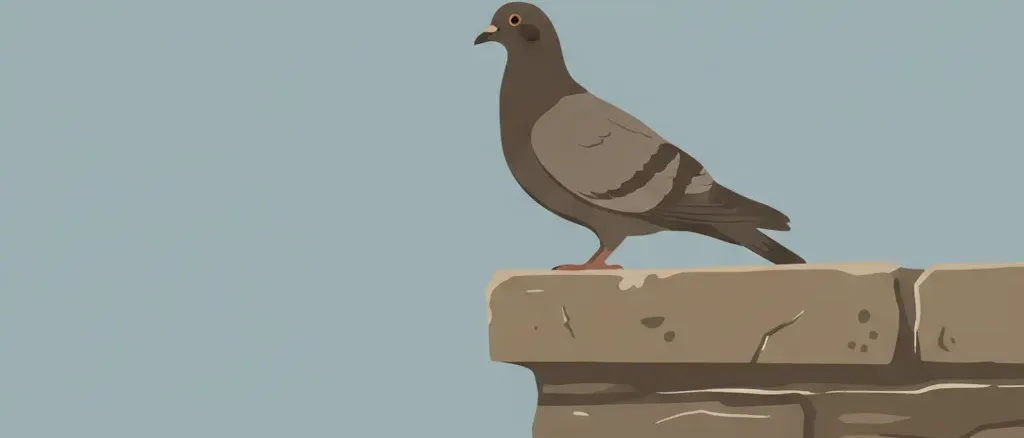
鳥の糞と結びついてよく語られる病原体——Histoplasma capsulatum、Chlamydia psittaci(オウム病の原因菌)、Cryptococcus neoformans——は、いずれも乾燥して空中に舞い上がった排泄物の吸入によって感染するものであり、新鮮な糞便が正常な皮膚に触れることで感染するのではない。CDCのヒストプラズマに関する公式ガイダンスは明確に述べている。「歩道や窓枠にある新鮮な鳥の糞は、おそらくヒストプラズマ症のリスクをもたらさない」。オウム病の感染経路は、感染した鳥の乾燥した糞や分泌物の粉じんを吸入することとして記録されている。この懸念の背景にある職業的な発症事例——屋根裏清掃業者、鳩駆除業者、家禽取扱業者——は、いずれも密閉空間において乾燥・飛散した大量の排泄物に繰り返し吸入暴露された事例である。海鳥が観光客のジャケットに糞を落とすのは、こうした暴露条件のいずれにも該当しない。
腸管系病原体——サルモネラ、カンピロバクター、E. coli——について言えば、鳥の糞からヒトへの感染経路は糞口感染、すなわち表面汚染後に手から口への接触によるものである。皮膚は感染経路にはならない。2020年に発表された北米の鳥類431種を対象としたメタ解析では、査読文献のすべてを通じて野生鳥類の糞に起因するヒトへの発症アウトブレイクは1件のみ確認されており、それも鳥が農作物に糞をして、その作物が摂食されたことによるものであり、皮膚への直接接触によるものではなかった。クリプトコッカスに関しては——これが最も生物学的に可能性のある皮膚接触リスクであり、皮膚の擦り傷から感染しうる——免疫正常者における一次皮膚感染の記録事例は1950年代以降100件に満たない。最も詳しく記録された最近の事例は、虫刺されによる傷があり鳥かごの清掃を繰り返し行っていた人物に関するもので、偶然の屋外での遭遇ではなかった。
新鮮な鳥の糞が屋外で正常な皮膚に当たった場合の一遭遇あたりの発症確率を定量化した権威ある資料は存在しない。なぜなら、その分母となる記録された事例がないからである。鳥の糞が年間に当たる確率も査読文献では定量化されていない——流布している数値(一日に何千分の一など)は疫学的研究ではなくギャンブル会社のマーケティング調査に由来する。確信を持って言えること:鳥の糞が皮膚に付着した後に通常の手洗いを行えば、あらゆる理論上の感染経路が断ち切られる。いくつかの文化では糞を落とされることが幸運のしるしとされているが、それは疫学的根拠ではないものの、屋外で健康な人間が遭遇した場合の実際の医学的影響が事実上ゼロであるという、民俗レベルでの長年の認識を反映している。
関連する豆知識
鳥のフンのせいにされる病原体はすべて、乾いて溜まった物質の吸入か糞口経路で広がり、無傷の皮膚に付いた新鮮なフンからではない。健康な成人が屋外で一度接触して発症した記録例はない。
根拠台帳
以下の各数値は各出典が報告した内容であり、引用した原文の抜粋と算出方法を記載しています。リンクをクリックして直接確認できます。
4/4 件の出典が引用元と一字一句一致することを独立して検証済み
-
[1] US Centers for Disease Control and Prevention (CDC) / National Institute for Occupational Safety and Health (NIOSH) — Histoplasma in the Environment 検証済み
Histoplasma in the Environment- 統計値
Fresh bird droppings on surfaces such as sidewalks and windowsills likely do not pose a risk for histoplasmosis- 抜粋
“"Fresh bird droppings on surfaces such as sidewalks and windowsills likely do not pose a risk for histoplasmosis." ”
- 出典データ
- 2024-01-01
- アクセス日
- 2026-05-21 · アーカイブ版
- 検証
- グラウンディング監査の際、抜粋を引用元から独立して再取得し、原文と一字一句一致することを確認しました。
- 計算過程
- CDC NIOSH explicitly distinguishes between fresh bird droppings on outdoor surfaces (low or negligible risk for histoplasmosis) and dried, accumulated droppings disturbed in enclosed or semi-enclosed spaces such as attics, barns, or caves (genuine inhalation risk). The transmission mechanism for histoplasmosis is airborne fungal spores from dried, soil-enriched accumulations — not fresh fecal material contacting intact skin. This source confirms that the most feared bird-dropping pathogen (Histoplasma capsulatum) is not transmitted by the casual encounter scenario.
-
[2] US Centers for Disease Control and Prevention (CDC) — About Psittacosis 検証済み
About Psittacosis- 統計値
The most common transmission route for psittacosis is breathing in dust containing dried bird secretions or droppings; skin contact with fresh droppings is not listed as a documented transmission pathway- 抜粋
“"The most common way someone gets infected is by breathing in dust containing dried bird secretions or droppings." ”
- 出典データ
- 2024-01-01
- アクセス日
- 2026-05-21 · アーカイブ版
- 検証
- グラウンディング監査の際、抜粋を引用元から独立して再取得し、原文と一字一句一致することを確認しました。
- 計算過程
- CDC documents psittacosis (Chlamydia psittaci) transmission as primarily via inhalation of aerosolized dried droppings or secretions from infected birds, not via fresh fecal contact with intact skin. This rules out psittacosis as a risk from the casual outdoor encounter scenario. Combined with the histoplasmosis entry, the two most commonly-cited bird-dropping pathogens are both inhalation-route diseases that require dried accumulated material, not fresh droppings hitting skin.
-
[3] Biological Reviews (Wiley) — Smith et al., 2020 — Are we overestimating risk of enteric pathogen spillover from wild birds to humans? 検証済み
Are we overestimating risk of enteric pathogen spillover from wild birds to humans?- 統計値
Comprehensive meta-analysis of 431 North American breeding bird species for Campylobacter, E. coli, and Salmonella concluded pathogen spillover from wild birds to humans is likely overestimated; only one confirmed multi-person outbreak across all surveyed literature- 抜粋
“"Second, we conduct a meta-analysis of prevalence data for three human enteric pathogens, Campylobacter spp., E. coli, and Salmonella spp., in 431 North American breeding bird species. … The primary focus in the literature on pathogen prevalence likely overestimates the probability of enteric pathogen spillover from wild birds to humans because a pathogen must survive long enough at an infectious dose and be a strain that is able to colonize humans to cause infection." ”
- 出典データ
- 2020-02-01
- アクセス日
- 2026-05-21 · アーカイブ版
- 検証
- グラウンディング監査の際、抜粋を引用元から独立して再取得し、原文と一字一句一致することを確認しました。
- 計算過程
- A meta-analysis of 431 North American bird species found that pathogen presence in bird feces does not equal human infection risk: the pathogen must also survive to an infectious dose, be a human-adapted strain, and have an oral-ingestion route. Of the enteric pathogens (Salmonella, Campylobacter, E. coli) associated with wild birds, only one confirmed human outbreak was identified across all literature reviewed — and it traced to bird feces contaminating food (peas from sandhill crane fields), not to direct skin contact with fresh droppings. Skin is not a portal of entry for enteric pathogens; all documented human cases involve fecal-oral transmission.
-
[4] American Journal of Tropical Medicine and Hygiene — Rodrigues et al., 2025 — Probable Primary Cutaneous Cryptococcosis in an Immunocompetent Man after Contact with Wild Bird Droppings 検証済み
Probable Primary Cutaneous Cryptococcosis in an Immunocompetent Man after Contact with Wild Bird Droppings- 統計値
Single case report of cutaneous cryptococcosis in a 65-year-old man with smoking history who cleaned a bird cage; infection required prior skin trauma from insect bites, not incidental outdoor exposure- 抜粋
“"possibly came in contact with bird excreta when cleaning the cage" ”
- 出典データ
- 2025-05-20
- アクセス日
- 2026-05-21 · アーカイブ版
- 検証
- グラウンディング監査の際、抜粋を引用元から独立して再取得し、原文と一字一句一致することを確認しました。
- 計算過程
- This case report represents the most plausible documented pathway by which skin contact with bird droppings could cause illness in an immunocompetent adult: Cryptococcus neoformans inoculated through broken skin. The patient had insect-bite lesions that he scratched, creating a skin breach, and had repeated exposure through cage-cleaning — not a single outdoor encounter with a passing bird. Fewer than 100 cases of primary cutaneous cryptococcosis in immunocompetent individuals have been published since the 1950s. Used here to establish the biological upper bound: even the most plausible skin-contact transmission route requires broken skin and repeated exposure, not intact skin hit by fresh outdoor droppings.