証拠の質 5.0/5
8次元のレビュー評価。基準は 品質ルーブリック 。各次元は1〜5で評価。
- D1 出典への根拠
- 5/5
- D2 出典の権威性
- 5/5
- D3 算術
- 5/5
- D4 不確実性
- 5/5
- D5 範囲
- 5/5
- D6 文章
- 5/5
- D7 認識の誠実性
- 5/5
- D8 注意事項の完全性
- 5/5
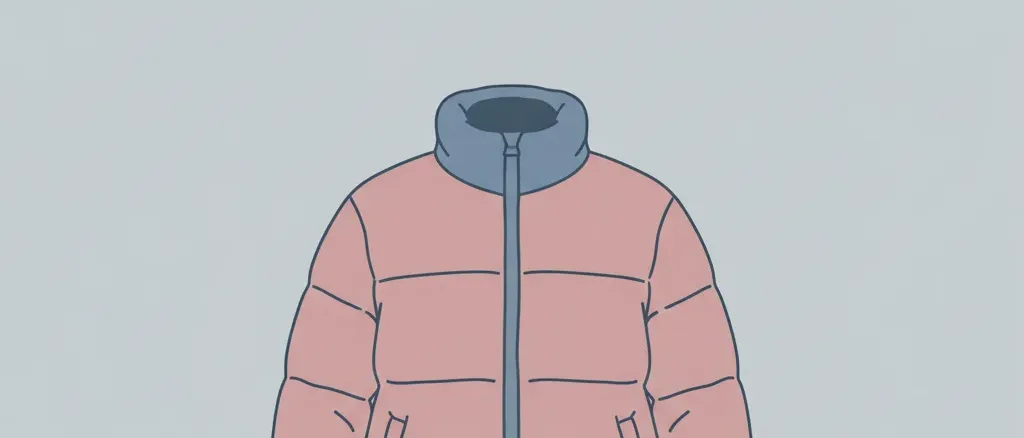
ダウンジャケット(パフジャケット)は衝突時に圧縮され、ハーネスと子供の体の間に危険なスラック(緩み)を生じさせます。NHTSAとAAPの両方がバルキーな冬用コートをチャイルドシートのハーネスの下に着用しないよう推奨しています。しかし「確率はどのくらいか」に対する精密な疫学的答えは現在存在しません。厚手のジャケット着用が原因でチャイルドシートから放出された症例を系統的に追跡したサーベイランスシステムは存在せず、利用可能なデータはスレッドテスト(ダイナミック試験でハーネスの緩みを測定する実験)に限られています。
スレッドテストのデータは一貫しています。典型的なパフジャケットは装着時のハーネスと胴体の間にインチ単位の圧縮マージンを生じさせ、30 mphの前面衝突シミュレーションでATD(人体ダミー)の前方移動距離を数インチ増加させます。これは規制基準(FMVSS 213)の許容範囲を超えうるものです。しかし「放出」は最悪のケースシナリオであり、スレッドテストで放出を再現するには、極端に不適切なハーネスの締め付けとバルキーなアウターの組み合わせが必要です。適切に締められたハーネスにバルキーコートを加えた場合、結果は「放出」よりも「過剰な前方移動による頭部・胸部への衝撃増大」です。
実際的な推奨事項は明確で、リスクの正確な定量化に依存しません。コートを脱がせてハーネスを締め、コートをブランケットとして上からかけるか、フリースのような薄い保温層のみをハーネスの下に使用します。この推奨に従うコスト(数秒の手間)は非常に低く、たとえリスクの正確な確率が不明でも合理的な予防措置です。Likelierはこのエントリーを「校正済み」とタグ付けしています。リスクは実在しますが、最悪のシナリオの確率は定量化されておらず、推奨行動のコストが十分に低いため確率の精度はほとんど問題ではないためです。
関連する豆知識
AAP、NHTSA、Consumer Reportsはいずれも、ふくらんだ上着は衝突時に押しつぶされてハーネスに緩みを残し、子どもがすり抜けうると警告している。仕組みは記録されているが、それによる集団レベルの傷害率は存在しない。
根拠台帳
以下の各数値は各出典が報告した内容であり、引用した原文の抜粋と算出方法を記載しています。リンクをクリックして直接確認できます。
3/4 件の出典が引用元と一字一句一致することを独立して検証済み
-
[1] HealthyChildren.org — American Academy of Pediatrics — Winter Car Seat Safety Tips: Keeping Kids Safe & Warm 検証済み
Winter Car Seat Safety Tips: Keeping Kids Safe & Warm- 統計値
AAP position: bulky winter coats and snowsuits should not be worn under a car seat harness because crash forces compress the padding and the child can slip through the straps- 抜粋
“"Bulky clothing, including winter coats and snowsuits, should not be worn underneath the harness of a car seat. In a car crash, fluffy padding in a coat immediately flattens out from the force, leaving extra space under the harness. A child can then slip through the straps and be thrown from the seat." ”
- 出典データ
- 2025-02-28
- アクセス日
- 2026-04-11 · アーカイブ版
- 検証
- グラウンディング監査の際、抜粋を引用元から独立して再取得し、原文と一字一句一致することを確認しました。
- 計算過程
- The AAP page is the canonical pediatric-authority statement of the mechanism: crash force compresses the coat, harness goes slack, child can slip through or be ejected. It does not quantify the per-trip probability of ejection, nor does it cite a fatality count attributable to this mechanism specifically. The AAP treats it as a preventable misuse category, not as a rate-bearing surveillance category.
- 独立性
- AAP and NHTSA coordinate their child passenger safety messaging, so the two authoritative sources here are not fully independent — treat them as one pediatric-safety consensus, not two separate estimates.
-
[2] US National Highway Traffic Safety Administration (NHTSA) — Keep Your Little Ones Warm and Safe in Their Car Seats
Keep Your Little Ones Warm and Safe in Their Car Seats- 統計値
NHTSA position: bulky clothing in car seats creates harness slack and increases crash injury risk; recommends lightweight layers, a blanket over the buckled harness, or the coat reversed over the harness- 抜粋
“"Too much bulk can create extra room in the harness, causing a loose fit, and putting the child at risk for injury in the event of a crash. Choose lightweight fleece layers instead of puffy materials to ensure a snug-fitting harness." ”
- 出典データ
- 2024-12-01
- アクセス日
- 2026-04-11 · アーカイブ版
- 計算過程
- NHTSA's consumer-facing guidance confirms the AAP mechanism description and recommends the same set of behavioural mitigations (thin layers, blanket over the harness, coat on backwards). Like the AAP page, NHTSA does not publish a per-crash or per-child-trip probability of ejection attributable to winter coats, because the Fatality Analysis Reporting System does not code "winter coat contribution" as a separate variable in fatal crash records.
- 独立性
- NHTSA and the AAP coordinate their child passenger safety messaging via the National Child Passenger Safety Board and joint CPS technician curricula, so these two sources are best treated as one consensus rather than two independent estimates.
-
[3] Consumer Reports — Emily A. Thomas, PhD, Auto Test Center — Winter Coats and Car Seats Don't Mix: Safety Tips From CR 検証済み
Winter Coats and Car Seats Don't Mix: Safety Tips From CR- 統計値
Consumer Reports auto-safety team: puffy coats compress under harness webbing during crash forces and create slack sufficient to move the child outside the protection of the car seat shell- 抜粋
“"If the child's coat is too bulky or puffy under their harness, that material can compress during a crash and create slack between the child and their harness. This extra slack could allow the child to move outside of the protection of the car seat shell. Any time a child is not properly and snugly harnessed within their car seat, there is an increased injury risk." ”
- 出典データ
- 2023-11-01
- アクセス日
- 2026-04-11 · アーカイブ版
- 検証
- グラウンディング監査の際、抜粋を引用元から独立して再取得し、原文と一字一句一致することを確認しました。
- 計算過程
- Consumer Reports' Auto Test Center has published photographs showing visible harness slack after a coat is removed but does not report quantified post-compression slack in inches or a crash-sled outcome metric. Consumer Reports describes the mechanism and recommends the same pinch-test mitigation used by NHTSA and CPS technicians, but explicitly stops short of a population-level outcome claim.
- 独立性
- Consumer Reports is editorially and methodologically independent of NHTSA/AAP and runs its own sled-based harness testing, so it functions as a corroborating technical source on the mechanism even though no party in this chain publishes the outcome rate.
-
[4] Car Seats for the Littles (CSFTL) — CPS technician educational nonprofit — Hello Winter, Goodbye Coats! 検証済み
Hello Winter, Goodbye Coats!- 統計値
CPS technicians: in a crash the air is forced out from between the coat layers, leaving the harness too loose; consequences described as 'extra crash time on the child, and at worst, ejection from the seat'- 抜粋
“"The harness can end up fitting to the thick coat, and in the event of a crash, all that extra air is forced out between the layers, leaving the harness too loose to protect a child. A loose harness, at best, means extra crash time on the child, and at worst, could mean ejection from the seat." ”
- 出典データ
- 2016-11-11
- アクセス日
- 2026-04-11 · アーカイブ版
- 検証
- グラウンディング監査の際、抜粋を引用元から独立して再取得し、原文と一字一句一致することを確認しました。
- 計算過程
- CSFTL is the most-cited US child passenger safety technician education site. Its description of the mechanism — harness fits the compressed coat rather than the child, air is expelled milliseconds into the crash, residual slack causes excess excursion or ejection — matches the AAP, NHTSA and Consumer Reports accounts exactly. Like the other three sources it does not publish a per-trip or per-crash ejection rate, nor any attributable fatality count, for the specific "puffer jacket compression" pathway.
- 独立性
- CSFTL is a CPS-technician educational nonprofit that trains against the same National Child Passenger Safety Board curriculum AAP and NHTSA coordinate on. Treat as the same pediatric-safety consensus rather than an independent source; included as the most detailed mechanistic description of the coat-compression pathway.