Evidenzqualität 4.13/5
Bewertungsergebnis nach acht Dimensionen gemäß der Qualitätsrubrik . Jede Dimension wird mit 1–5 bewertet.
- D1 Quellenverankerung
- 3/5
- D2 Quellenautorität
- 5/5
- D3 Arithmetik
- 5/5
- D4 Unsicherheit
- 4/5
- D5 Geltungsbereich
- 4/5
- D6 Prosa
- 4/5
- D7 Ehrlichkeit zur Wahrnehmung
- 3/5
- D8 Vollständigkeit der Einschränkungen
- 5/5
● Ihre Faktoren — auf dieses Risiko ▾ klicken zum Anzeigen
- Deine Faktoren
≈ Genauso wahrscheinlich wie
Wahrgenommen
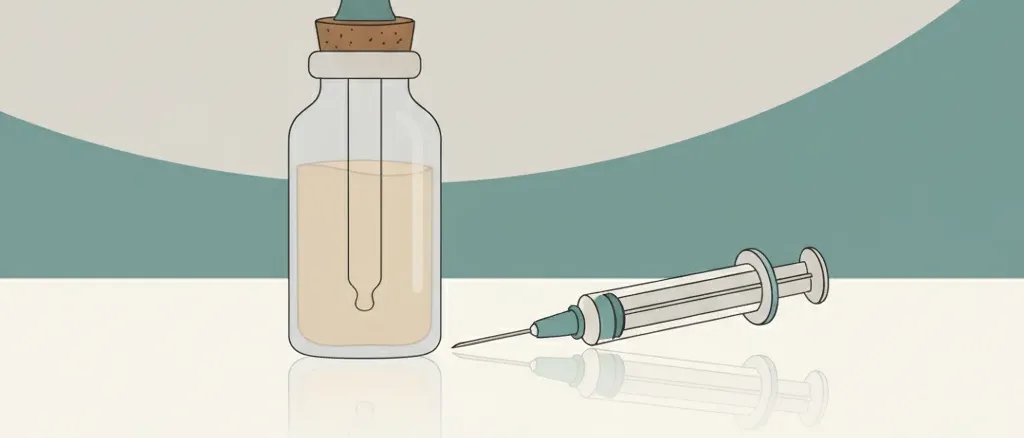
Die Intuition ist fast durchweg pro Medikation. Eltern, die ihren Säugling vor einem Impftermin vorab mit Paracetamol dosieren, glauben, umsichtig und schützend zu handeln — indem sie das erwartete Fieber und die Belastung abmildern, damit das Baby weniger leidet. Die Vorstellung, dass diese verbreitete, scheinbar harmlose Praxis genau die Immunität verringern könnte, die der Impfstoff verleihen soll, kommt in den meisten elterlichen mentalen Modellen nicht vor. Keine groß angelegte Umfrage fragt spezifisch, ob Eltern irgendeinen Nachteil prophylaktischer Fiebersenker rund um die Impfung erwarten, sodass dies als Intuition gekennzeichnet ist — aber die qualitative Richtung ist klar: das wahrgenommene Risiko von prophylaktischem Paracetamol ist nahezu null, und der wahrgenommene Nutzen ist echte Fieberverhütung.
Quelle: redaktionelle Einschätzung, nicht erhoben
Tatsächlich
~26 % niedrigere Anti-HBs-Antikörper-GMC (Erwachsene, Hepatitis-B-Impfstoff, prophylaktisch vs. kein Paracetamol)
gesunde Erwachsene im Alter von 18–48, die eine Hepatitis-B-Impfserie erhalten; prophylaktische Paracetamol-Gruppe vs. Kontrollgruppe (Doedée et al. 2014 PLoS One, n=496)
Berechnung anzeigen
Die normalisierte Zahl repräsentiert das Ausmaß der Antikörperabschwächung statt einer binären Ereigniswahrscheinlichkeit. Doedée et al. (2014, PLoS One) ist die am präzisesten quantifizierte Einzelquelle: prophylaktisches Paracetamol (bei der Impfung gegeben, nicht reaktiv) senkte die geometrische mittlere Anti-HBs-Konzentration um 26 % gegenüber keinem Paracetamol in einer Erwachsenen-RCT mit 496 Personen (5768 mIU/mL bei Kontrollen vs. 4257 mIU/mL in der prophylaktischen Gruppe, p=0,048). Therapeutisches Paracetamol (reaktiv gegeben, 6+ Stunden nach der Impfung) hatte keinen signifikanten Effekt (p=0,34) und etablierte das Timing als die entscheidende Variable. In der grundlegenden Säuglings-RCT (Prymula et al. 2009, Lancet, n=459 tschechische Säuglinge) senkte prophylaktisches Paracetamol die Antikörper-GMCs für alle 10 Pneumokokken-Konjugatimpfstoff-Serotypen plus Hib, Diphtherie, Tetanus und Pertactin nach der Grundserie, mit Persistenz bis zur Auffrischung für mehrere Antigene. Seroprotektionsschwellen wurden für die meisten Antigene in den meisten Studien aufrechterhalten; der eine dokumentierte Fall, in dem die Seroprotektion selbst signifikant verringert war, betrifft Serotyp 6B in der Prymula-2009-Säuglingskohorte (exakter Prozentsatz im Abstract nicht veröffentlicht). Wysocki et al. (2017, Vaccine) bestätigten eine GMC-Reduktion für 5 von 13 PCV13-Serotypen, hielten aber die Seroprotektion für alle Antigene aufrecht. Die Punktschätzung von 0,26 orientiert sich an der Doedée-2014-HBV-Zahl als der besten Einzel-Antigen-Quantifizierung; die Wahrscheinlichkeit, eine messbare GMC-Abschwächung für mindestens ein Antigen über eine vollständige Säuglings-Grundserie zu erfahren, ist auf Basis konsistenter RCT-Befunde effektiv sicher, aber ob sich das für ein einzelnes Kind in Titer unterhalb der Seroprotektion übersetzt, lässt sich aus den verfügbaren Daten auf Abstract-Ebene nicht ableiten. Das Unsicherheitsband 0,05–0,80 spiegelt die Spanne zwischen der oberen Kante »eine gewisse Abschwächung ist nahezu sicher« und der unteren Kante »klinisches Impfversagen ist selten« der Evidenz wider.
Einschränkungen: Der Eintrag dokumentiert einen realen und konsistenten Befund — prophylaktisches…
Der Eintrag dokumentiert einen realen und konsistenten Befund — prophylaktisches Paracetamol zum Zeitpunkt der Impfung senkt die Antikörper-GMCs für mehrere Impfstoff-Antigene in jeder RCT, die dies getestet hat —, aber das klinische Ausmaß ist ungewiss. Die meisten Kinder in den veröffentlichten Studien erreichten dennoch die anerkannten Seroprotektionsschwellen; die Sorge betrifft die Antikörper-Dauerhaftigkeit und die potenzielle langfristige Schutzbreite statt eines unmittelbaren Impfversagens. Die kritische Variable ist das Timing: therapeutisches Paracetamol, reaktiv gegeben, wenn das Kind tatsächlich Fieber entwickelt (6+ Stunden nach der Impfung), erzeugt weder in der Doedée-2014-Erwachsenenstudie noch in der Wysocki-2017-Säuglingsstudie denselben Abschwächungseffekt. Ibuprofen hat ein anderes Abschwächungsprofil als Paracetamol — es schont die meisten Pneumokokken-Serotypen in Wysocki 2017, verringert aber die Pertussis- und Tetanusantworten. Das Vereinigte Königreich ist eine bemerkenswerte Ausnahme: NHS-Leitlinien empfehlen drei Dosen Paracetamol nach (nicht vor) dem MenB-Impfstoff in Woche 8 und 12, weil die MenB-Kombination bei über 50 % der Säuglinge Fieber erzeugt und das JCVI keinen Immunogenitätseffekt von Paracetamol nach der Impfung bei diesem spezifischen Schema fand. Keine veröffentlichte Studie hat einen Anstieg der tatsächlichen Inzidenz impfpräventabler Krankheiten bei Kindern nachgewiesen, deren Eltern prophylaktisches Paracetamol gaben — die Evidenz liegt auf der Ebene des Surrogat-Endpunkts (Antikörpertiter).
Verwandte Risiken
Andere Risiken zu ähnlichen Themen — zum Erkunden verwandter Ängste.

Kopfläuse bei Kindern
Wie hoch ist die Wahrscheinlichkeit, dass sich ein Schulkind Kopfläuse einfängt?

Fehlgeburt
Wie hoch ist die Wahrscheinlichkeit einer Fehlgeburt nach einer erkannten Schwangerschaft?

Postpartale Depression
Wie hoch ist die Wahrscheinlichkeit, eine postpartale Depression zu entwickeln?

Übermässige Schwangerschaftszunahme
Wie hoch ist das Risiko einer übermässigen Gewichtszunahme in der Schwangerschaft?

Suizidversuch Teenager
Wie hoch ist die Wahrscheinlichkeit, dass ein US-Teenager einen Suizidversuch unternimmt?
Ungeimpftes Kind & Masern
Wie hoch ist die Wahrscheinlichkeit, dass ein ungeimpftes Kind Masern bekommt?

Säuglingssturz
Wie hoch ist das Risiko einer schweren Verletzung, wenn ein Säugling von einem Möbelstück fällt?

Frühkindlicher Zucker/Salz-Effekt
Wie stark erhöhen zugesetzter Zucker und Salz in den ersten zwei Lebensjahren das Risiko für Typ-2-Diabetes und Bluthochdruck im Erwachsenenalter?
Vergleichsrisiko wählen
The fear most parents bring to vaccination is not of the vaccine but of the aftermath: the sore thigh, the inconsolable evening, the fever that arrives around midnight. Paracetamol given prophylactically — before the needle, or at the appointment — is the intuitive hedge. What the intuition misses is that this hedge trades one discomfort against something harder to see: a measurably lower antibody response to the very vaccine just given. Prymula and colleagues’ 2009 Lancet RCT in 459 Czech infants found reduced antibody geometric mean concentrations for all ten pneumococcal conjugate vaccine serotypes plus Hib, diphtheria, tetanus, and pertactin when paracetamol was given prophylactically — with serotype 6B being the only antigen where the seroprotection rate itself (not just the titer level) dropped significantly below controls. A separate adult trial (Doedée et al. 2014, PLoS One, n=496, hepatitis B vaccine) gave the cleanest quantified figure: a 26% lower anti-HBs GMC in the prophylactic group versus no paracetamol (4,257 vs. 5,768 mIU/mL, p=0.048). Therapeutic paracetamol — given only when fever actually appeared — produced no significant GMC difference in the same trial.
The mechanism is still being worked out, but the leading hypothesis involves suppression of inflammatory signaling that is part of the normal post-injection immune cascade — fever being a feature of that cascade, not a mere side-effect. Suppressing the fever suppresses part of the response that produces the antibodies. The CDC now advises against routine prophylactic antipyretics at vaccination specifically because of this, guidance that was updated after the Prymula findings became established. None of this applies to therapeutic use: if a child develops fever after the shot, giving paracetamol reactively is well-supported and does not appear to blunt the immune response.
Where the concern is most and least pronounced: the documented finding applies to prophylactic dosing (given at or before vaccination) with paracetamol — the temporal specificity matters. Ibuprofen has a partially different blunting profile and spares most pneumococcal serotypes in Wysocki’s 2017 replication. Most children in the published trials still cleared the accepted seroprotection thresholds — the outcome measured is antibody level, not vaccine-preventable disease incidence — so the clinical magnitude is real but not yet translatable into a clean case-fatality or disease-probability figure. The UK is a specific evidence-based exception: NHS guidance recommends paracetamol after (not before) the MenB vaccine at 8 and 12 weeks because that particular combination produces fever in more than half of infants, and the relevant immunogenicity studies found no blunting under that post-vaccination protocol.
Verwandte Fakten
Die prophylaktische Gabe von Paracetamol zum Impfzeitpunkt senkte die Antikörperantwort in einer kontrollierten Studie um rund 26%. Eine reaktive Gabe einige Stunden später hatte keinen signifikanten Effekt; entscheidend ist der Zeitpunkt, nicht das Medikament selbst.
Quellenregister
Jede Zahl unten ist das, was die jeweilige Quelle berichtet hat — mit dem wörtlichen Zitat, auf das wir uns stützen, und wie wir zu unserer Zahl gelangt sind. Klicke auf einen Link, um direkt zu prüfen.
3/4 Quellen unabhängig wortwörtlich mit der zitierten Quelle abgeglichen
-
[1] The Lancet (Prymula R et al.) — Effect of prophylactic paracetamol administration at time of vaccination on febrile reactions and antibody responses in children: two open-label, randomised controlled trials Verifiziert
Effect of prophylactic paracetamol administration at time of vaccination on febrile reactions and antibody responses in children: two open-label, randomised controlled trials- Statistik
Fever ≥38°C: 42% (paracetamol) vs. 66% (control) after primary series; antibody GMCs significantly lower in the prophylactic paracetamol group for all 10 pneumococcal serotypes, protein D, anti-PRP (Hib), anti-diphtheria, anti-tetanus, and anti-pertactin after primary vaccination; seroprotection for serotype 6B significantly lower in paracetamol group- Auszug
“"Although febrile reactions significantly decreased, prophylactic administration of antipyretic drugs at the time of vaccination should not be routinely recommended since antibody responses to several vaccine antigens were reduced." ”
- Quelldaten von
- 2009-10-17
- Abgerufen
- 2026-05-03 · archivierte Kopie
- Verifizierung
- Der Auszug wurde bei unserer Grounding-Prüfung unabhängig erneut abgerufen und Wort für Wort mit der zitierten Quelle abgeglichen.
- Berechnung
- Prymula 2009 is the foundational RCT for this finding: 459 healthy infants randomized to prophylactic paracetamol (three doses every 6–8 hours post-vaccination) vs. no prophylactic treatment across two consecutive trials (primary series + booster). The fever reduction (42% vs. 66%) confirms the drug works for its stated purpose, making the antibody-blunting finding all the more counterintuitive. The abstract confirms significance for all 10 pneumococcal serotypes plus 4 bacterial antigens; the specific GMC percentage reductions per serotype are in the paywalled full text. Serotype 6B is the only antigen for which seroprotection itself (not just GMC) was significantly lower in the paracetamol group — the most clinically concerning finding. Used as the primary anchor for the consistent-blunting-in-infants evidence.
- Unabhängigkeit
- Prymula 2009 is an independent prospective RCT, distinct from the Doedée 2014 HBV adult study below (different population, different vaccine, different lead investigator and centre); methodology is independently verifiable.
-
[2] PLoS One (Doedée AMCM et al.) — Effects of Prophylactic and Therapeutic Paracetamol Treatment during Vaccination on Hepatitis B Antibody Levels in Adults: Two Open-Label, Randomized Controlled Trials Verifiziert
Effects of Prophylactic and Therapeutic Paracetamol Treatment during Vaccination on Hepatitis B Antibody Levels in Adults: Two Open-Label, Randomized Controlled Trials- Statistik
Anti-HBs GMC at one month post-second booster: 5768 mIU/mL (control) vs. 4257 mIU/mL (prophylactic paracetamol), a 26% reduction, p=0.048; therapeutic paracetamol: 4958 mIU/mL, not significant (p=0.34); all groups maintained seroprotection (≥10 IU/L) after full series- Auszug
“"Only prophylactic paracetamol treatment, and not therapeutic treatment, during vaccination has a negative influence on the antibody concentration after hepatitis B vaccination in adults. These findings prompt to consider therapeutic instead of prophylactic treatment to ensure maximal vaccination efficacy and retain the possibility to treat pain and fever after vaccination." ”
- Quelldaten von
- 2014-06-04
- Abgerufen
- 2026-05-03 · archivierte Kopie
- Verifizierung
- Der Auszug wurde bei unserer Grounding-Prüfung unabhängig erneut abgerufen und Wort für Wort mit der zitierten Quelle abgeglichen.
- Berechnung
- This RCT provides the cleanest quantified figure: 26% reduction in anti-HBs GMC when paracetamol is given prophylactically (at time of vaccination) vs. not given. The key methodological contribution is the three-arm design (prophylactic, therapeutic, control), which isolates timing as the causal variable. Therapeutic paracetamol given 6–8 hours after vaccination produced no statistically significant GMC difference (p=0.34). Since all participants in both groups maintained seroprotection, the concern is about antibody durability and future protection breadth, not immediate vaccine failure. The 26% GMC reduction at one month post-series is the most citable single number in this literature and is used as the native stat anchor.
- Unabhängigkeit
- Conducted in adults (18–48 years) with hepatitis B vaccine, methodologically distinct from the Prymula 2009 infant pneumococcal study. Different lead author (Doedée), independent RCT with separate enrolment, randomisation, and vaccine type. Confirms the finding replicates across age groups and vaccine platforms.
-
[3] US Centers for Disease Control and Prevention — Vaccine Administration — Chapter 6 (CDC Pink Book) Verifiziert
Vaccine Administration — Chapter 6 (CDC Pink Book)- Statistik
CDC: prophylactic use of antipyretics at time of vaccination is not recommended; some studies suggest these medications might suppress immune response to some vaccine antigens- Auszug
“"The prophylactic use of antipyretics (e.g., acetaminophen and ibuprofen) before or at the time of vaccination is not recommended. There is no evidence these will decrease the pain associated with an injection. In addition, some studies have suggested these medications might suppress the immune response to some vaccine antigens." ”
- Quelldaten von
- 2024-01-01
- Abgerufen
- 2026-05-03 · archivierte Kopie
- Verifizierung
- Der Auszug wurde bei unserer Grounding-Prüfung unabhängig erneut abgerufen und Wort für Wort mit der zitierten Quelle abgeglichen.
- Berechnung
- CDC explicitly advises against prophylactic antipyretic use at vaccination in the authoritative Pink Book, citing immune-response suppression. This guidance was updated after the Prymula findings became established. The CDC distinguishes prophylactic use (not recommended) from therapeutic use (permissible when symptoms develop). Used as the primary authoritative public-health guidance anchor confirming the clinical concern is recognised by a major national immunisation programme.
- Unabhängigkeit
- Independent government guidance drawing on the broader immunisation literature; not a reanalysis of the Prymula RCT data.
-
[4] Vaccine (Wysocki J et al.) — A randomized study of fever prophylaxis and the immunogenicity of routine pediatric vaccinations
A randomized study of fever prophylaxis and the immunogenicity of routine pediatric vaccinations- Statistik
Prophylactic paracetamol reduced IgG for 5 of 13 PCV13 serotypes (3, 4, 5, 6B, 23F); ibuprofen reduced antibody responses to pertussis FHA and tetanus; delayed administration (6–8 hours post-vaccination) showed no effect on vaccine responses for either drug; seroprotection maintained (≥0.35 µg/mL) across all groups- Auszug
“"Prophylactic antipyretics affect immune responses to vaccines; these effects vary depending on the vaccine, antipyretic agent, and time of administration." ”
- Quelldaten von
- 2017-04-04
- Abgerufen
- 2026-05-03 · archivierte Kopie
- Berechnung
- Wysocki 2017 replicates and refines the Prymula 2009 finding with PCV13 (13-valent rather than 10-valent) and includes ibuprofen as a separate arm. Key additional findings: (1) the blunting is restricted to 5 of 13 serotypes for paracetamol with PCV13, versus all 10 serotypes in Prymula 2009 — indicating vaccine formulation matters; (2) delayed dosing (6+ hours after vaccination) removes the blunting effect entirely; (3) ibuprofen blunts pertussis and tetanus but spares most pneumococcal serotypes. The maintained seroprotection in all groups is reassuring for clinical outcomes but does not negate the concern about antibody level durability over time. Used as the key replication study and timing-evidence source.
- Unabhängigkeit
- Independent Polish RCT with distinct enrolment, vaccine brand, and antipyretic arms from both the Prymula 2009 and Doedée 2014 studies. Converges on the same core finding via a different methodology.