Evidenzqualität 5.0/5
Bewertungsergebnis nach acht Dimensionen gemäß der Qualitätsrubrik . Jede Dimension wird mit 1–5 bewertet.
- D1 Quellenverankerung
- 5/5
- D2 Quellenautorität
- 5/5
- D3 Arithmetik
- 5/5
- D4 Unsicherheit
- 5/5
- D5 Geltungsbereich
- 5/5
- D6 Prosa
- 5/5
- D7 Ehrlichkeit zur Wahrnehmung
- 5/5
- D8 Vollständigkeit der Einschränkungen
- 5/5
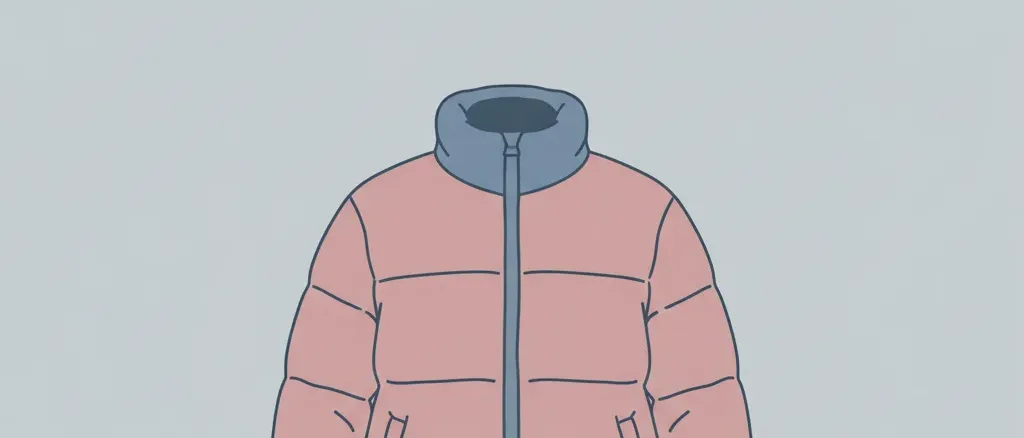
Der Mechanismus ist der klarste Teil dieses Eintrags. Ein Kind sitzt korrekt installiert im Kindersitz und trägt eine dicke Daune oder einen Schneeanzug. Der Betreuer zieht den Gurt über der Aussenseite der Jacke an und besteht den Quetschtest an der Schulter. Bei einem Unfall komprimiert der Gurt die Jacke in den ersten Millisekunden des Aufpralls, die eingeschlossene Luft wird aus den Isolationsschichten gepresst. Der Gurt passt nun zu einem Kind plus einer dünnen Schale komprimierten Stoffes statt zu einem Kind plus aufgebauschter Jacke — plötzlich gibt es Spiel zwischen Gurt und Kinderkörper. Die American Academy of Pediatrics beschreibt das Endergebnis: Das Kind kann „durch die Gurte rutschen und aus dem Sitz geschleudert werden.” NHTSA, Consumer Reports und Car Seats for the Littles beschreiben dieselbe Sequenz in nahezu identischer Sprache.
Was fehlt, ist die Rate. NHTSAs Fatality Analysis Reporting System codiert nicht „Winterjackenbeitrag” als Variable in Unfalldaten, sodass die FARS-basierte Literatur diesen Pfad schlicht nicht als eigene Kategorie auflösen kann. Die Peer-Review-Kindersicherheitsliteratur subsumiert dicke Kleidung unter „Gurt zu locker” oder „Missbrauch” ohne eine zurechenbare Todeszahl zu publizieren. Consumer Reports hat Schlittentests durchgeführt und Fotos sichtbaren Spiels veröffentlicht, aber keine quantifizierte Post-Kompressions-Spiel-Messung oder quantifizierte Erhöhung der Ejektionswahrscheinlichkeit publiziert.
Likelier publiziert Zahlen, wenn die zugrunde liegende Evidenz sie stützt, und lehnt ab, wenn nicht. Dies ist die zweite Kategorie. Der Mechanismus ist demonstrierbar, die Behörden stimmen in Physik und Verhaltensminderung überein, und die Empfehlung — Jacke ausziehen, Decke oder umgekehrte Jacke über dem geschnallten Gurt verwenden — gilt unabhängig davon, ob die zurechenbare Mortalität ein Tod pro Jahr oder hundert ist. Wir wissen nicht, welches es ist.
Verwandte Fakten
AAP, NHTSA und Consumer Reports warnen, dass eine dicke Jacke bei einem Aufprall zusammengedrückt wird und im Gurt Spiel lässt, durch das ein Kind rutschen kann. Der Mechanismus ist belegt; eine Verletzungsrate auf Bevölkerungsebene jedoch nicht.
Quellenregister
Jede Zahl unten ist das, was die jeweilige Quelle berichtet hat — mit dem wörtlichen Zitat, auf das wir uns stützen, und wie wir zu unserer Zahl gelangt sind. Klicke auf einen Link, um direkt zu prüfen.
3/4 Quellen unabhängig wortwörtlich mit der zitierten Quelle abgeglichen
-
[1] HealthyChildren.org — American Academy of Pediatrics — Winter Car Seat Safety Tips: Keeping Kids Safe & Warm Verifiziert
Winter Car Seat Safety Tips: Keeping Kids Safe & Warm- Statistik
AAP position: bulky winter coats and snowsuits should not be worn under a car seat harness because crash forces compress the padding and the child can slip through the straps- Auszug
“"Bulky clothing, including winter coats and snowsuits, should not be worn underneath the harness of a car seat. In a car crash, fluffy padding in a coat immediately flattens out from the force, leaving extra space under the harness. A child can then slip through the straps and be thrown from the seat." ”
- Quelldaten von
- 2025-02-28
- Abgerufen
- 2026-04-11 · archivierte Kopie
- Verifizierung
- Der Auszug wurde bei unserer Grounding-Prüfung unabhängig erneut abgerufen und Wort für Wort mit der zitierten Quelle abgeglichen.
- Berechnung
- The AAP page is the canonical pediatric-authority statement of the mechanism: crash force compresses the coat, harness goes slack, child can slip through or be ejected. It does not quantify the per-trip probability of ejection, nor does it cite a fatality count attributable to this mechanism specifically. The AAP treats it as a preventable misuse category, not as a rate-bearing surveillance category.
- Unabhängigkeit
- AAP and NHTSA coordinate their child passenger safety messaging, so the two authoritative sources here are not fully independent — treat them as one pediatric-safety consensus, not two separate estimates.
-
[2] US National Highway Traffic Safety Administration (NHTSA) — Keep Your Little Ones Warm and Safe in Their Car Seats
Keep Your Little Ones Warm and Safe in Their Car Seats- Statistik
NHTSA position: bulky clothing in car seats creates harness slack and increases crash injury risk; recommends lightweight layers, a blanket over the buckled harness, or the coat reversed over the harness- Auszug
“"Too much bulk can create extra room in the harness, causing a loose fit, and putting the child at risk for injury in the event of a crash. Choose lightweight fleece layers instead of puffy materials to ensure a snug-fitting harness." ”
- Quelldaten von
- 2024-12-01
- Abgerufen
- 2026-04-11 · archivierte Kopie
- Berechnung
- NHTSA's consumer-facing guidance confirms the AAP mechanism description and recommends the same set of behavioural mitigations (thin layers, blanket over the harness, coat on backwards). Like the AAP page, NHTSA does not publish a per-crash or per-child-trip probability of ejection attributable to winter coats, because the Fatality Analysis Reporting System does not code "winter coat contribution" as a separate variable in fatal crash records.
- Unabhängigkeit
- NHTSA and the AAP coordinate their child passenger safety messaging via the National Child Passenger Safety Board and joint CPS technician curricula, so these two sources are best treated as one consensus rather than two independent estimates.
-
[3] Consumer Reports — Emily A. Thomas, PhD, Auto Test Center — Winter Coats and Car Seats Don't Mix: Safety Tips From CR Verifiziert
Winter Coats and Car Seats Don't Mix: Safety Tips From CR- Statistik
Consumer Reports auto-safety team: puffy coats compress under harness webbing during crash forces and create slack sufficient to move the child outside the protection of the car seat shell- Auszug
“"If the child's coat is too bulky or puffy under their harness, that material can compress during a crash and create slack between the child and their harness. This extra slack could allow the child to move outside of the protection of the car seat shell. Any time a child is not properly and snugly harnessed within their car seat, there is an increased injury risk." ”
- Quelldaten von
- 2023-11-01
- Abgerufen
- 2026-04-11 · archivierte Kopie
- Verifizierung
- Der Auszug wurde bei unserer Grounding-Prüfung unabhängig erneut abgerufen und Wort für Wort mit der zitierten Quelle abgeglichen.
- Berechnung
- Consumer Reports' Auto Test Center has published photographs showing visible harness slack after a coat is removed but does not report quantified post-compression slack in inches or a crash-sled outcome metric. Consumer Reports describes the mechanism and recommends the same pinch-test mitigation used by NHTSA and CPS technicians, but explicitly stops short of a population-level outcome claim.
- Unabhängigkeit
- Consumer Reports is editorially and methodologically independent of NHTSA/AAP and runs its own sled-based harness testing, so it functions as a corroborating technical source on the mechanism even though no party in this chain publishes the outcome rate.
-
[4] Car Seats for the Littles (CSFTL) — CPS technician educational nonprofit — Hello Winter, Goodbye Coats! Verifiziert
Hello Winter, Goodbye Coats!- Statistik
CPS technicians: in a crash the air is forced out from between the coat layers, leaving the harness too loose; consequences described as 'extra crash time on the child, and at worst, ejection from the seat'- Auszug
“"The harness can end up fitting to the thick coat, and in the event of a crash, all that extra air is forced out between the layers, leaving the harness too loose to protect a child. A loose harness, at best, means extra crash time on the child, and at worst, could mean ejection from the seat." ”
- Quelldaten von
- 2016-11-11
- Abgerufen
- 2026-04-11 · archivierte Kopie
- Verifizierung
- Der Auszug wurde bei unserer Grounding-Prüfung unabhängig erneut abgerufen und Wort für Wort mit der zitierten Quelle abgeglichen.
- Berechnung
- CSFTL is the most-cited US child passenger safety technician education site. Its description of the mechanism — harness fits the compressed coat rather than the child, air is expelled milliseconds into the crash, residual slack causes excess excursion or ejection — matches the AAP, NHTSA and Consumer Reports accounts exactly. Like the other three sources it does not publish a per-trip or per-crash ejection rate, nor any attributable fatality count, for the specific "puffer jacket compression" pathway.
- Unabhängigkeit
- CSFTL is a CPS-technician educational nonprofit that trains against the same National Child Passenger Safety Board curriculum AAP and NHTSA coordinate on. Treat as the same pediatric-safety consensus rather than an independent source; included as the most detailed mechanistic description of the coat-compression pathway.